
Anúncios
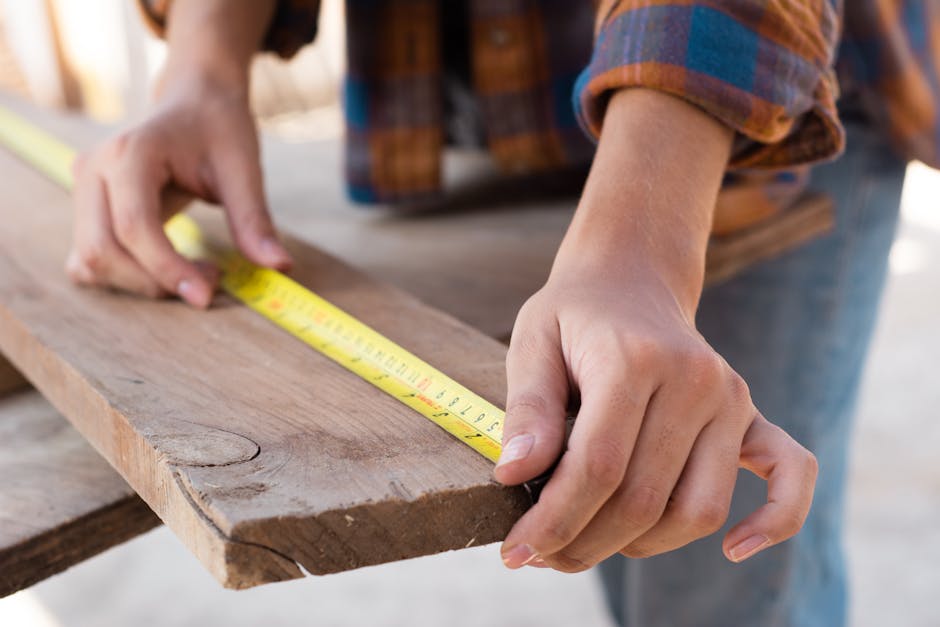
The tape measure, known as “trena” in Portuguese, is one of the most essential measuring tools found in homes, construction sites, and professional workshops worldwide. Its simplicity and accuracy have made it indispensable across countless industries.


From carpenters and architects to DIY enthusiasts and interior designers, the tape measure serves as a universal language of precision. Whether you’re renovating your living room, building furniture from scratch, or working on a major construction project, understanding how to properly use and select the right measuring tape can dramatically impact your results.
Modern tape measures have evolved significantly from their humble beginnings, incorporating advanced materials, ergonomic designs, and even digital technology. Yet the fundamental purpose remains unchanged: providing accurate linear measurements quickly and reliably. Let’s explore everything you need to know about this remarkable tool. 📏
The Fascinating History Behind the Tape Measure
The tape measure’s origins trace back to ancient civilizations that needed standardized methods for construction and land measurement. Early Romans used marked strips of leather, while medieval craftsmen relied on knotted ropes to establish consistent measurements across large projects.
The modern retractable steel tape measure emerged in the mid-1800s, revolutionizing how professionals approached measurement tasks. Alvin J. Fellows received a patent in 1868 for a spring-loaded measuring tape housed in a circular case, establishing the blueprint for contemporary designs.
Throughout the 20th century, manufacturers refined materials and mechanisms, introducing features like automatic retraction, belt clips, magnetic tips, and impact-resistant housing. Today’s tape measures represent over 150 years of continuous innovation focused on durability, accuracy, and user convenience.
Understanding Different Types of Tape Measures
Not all measuring tapes are created equal, and choosing the right type depends entirely on your specific application and working environment.
Retractable Steel Tape Measures ⚙️
These represent the most common variety found in toolboxes worldwide. Featuring a spring-loaded mechanism that retracts the blade automatically, they typically range from 10 to 35 feet in length. The rigid steel blade can extend horizontally without support, making them ideal for one-person measurement tasks.
Professional-grade models include reinforced blades that resist bending and breaking, rubberized cases for shock absorption, and multiple stopping points to prevent rapid retraction injuries. Many feature dual measurement systems displaying both imperial and metric units simultaneously.
Long Surveyor’s Tape Measures
When measuring distances exceeding 50 feet, surveyor’s tapes become essential. These flexible fabric or fiberglass tapes extend to 100, 200, or even 300 feet, making them perfect for land surveying, large construction layouts, and sports field marking.
Unlike pocket-sized retractable models, surveyor’s tapes require manual rewinding using a handle mechanism. Their flexibility allows them to conform to irregular terrain while maintaining measurement accuracy over extended distances.
Digital Laser Tape Measures
Technology has brought measurement into the 21st century with laser distance meters that calculate measurements using infrared technology. These digital devices provide instant readings up to 300 feet with remarkable precision, often accurate to within 1/16 of an inch.
Laser measures excel in situations where physical tape placement proves difficult or dangerous, such as measuring ceiling heights, outdoor distances, or across obstacles. Many models include Bluetooth connectivity for transferring measurements directly to smartphones or design software.

Key Features That Define Quality Tape Measures
Understanding what separates exceptional measuring tapes from mediocre ones helps ensure you invest in tools that deliver reliable performance for years.
Blade Standout Capability
Standout refers to how far the tape blade can extend horizontally before bending or collapsing. Professional-grade tape measures typically achieve 7-10 feet of standout, allowing solo measurements without assistance. This feature proves invaluable when measuring ceiling heights, doorways, or window frames without a helper.
Blade Width and Coating
Wider blades provide greater rigidity and improved standout performance. Most professional tapes feature blades between 1 and 1.25 inches wide. Quality models include protective nylon or polyester coatings that resist scratches, chemicals, and moisture while enhancing blade longevity.
Locking Mechanism Strength
A reliable blade lock prevents unwanted retraction during measurement marking or recording. Superior locking mechanisms engage smoothly with a simple thumb press and hold firmly without slippage. Look for designs that lock from any extended position rather than requiring full retraction between uses.
End Hook Design 🔧
The metal hook at the tape’s end serves dual purposes: catching on edges for pull measurements and pushing against surfaces for push measurements. Quality hooks feature a small amount of controlled movement that automatically compensates for the hook’s thickness, ensuring consistent accuracy regardless of measurement method.
Professional Applications Across Industries
Different professions rely on tape measures in specialized ways, often requiring specific features or measurement capabilities.
Construction and Carpentry
Contractors and carpenters use tape measures constantly for framing walls, installing cabinets, cutting lumber, and laying flooring. They typically prefer 25-foot models with wide blades, excellent standout, and clear markings for quick measurements. Many professionals mark common measurements like stud spacing (16″ and 24″) with distinct colors for rapid identification.
Interior Design and Space Planning
Interior designers measure room dimensions, furniture placement, window treatments, and wall space for artwork. They often favor lighter, compact tape measures with both metric and imperial units, since international furniture specifications may use either system. Digital measures with memory functions help track multiple room dimensions simultaneously.
Landscaping and Outdoor Projects
Landscape professionals measure garden beds, walkway lengths, fence lines, and outdoor structure placements. They require durable tapes resistant to moisture, dirt, and temperature extremes. Longer surveyor’s tapes become essential for property line measurements and large-scale landscape installations.
HVAC and Electrical Work
These trades require precise measurements for ductwork fabrication, conduit installation, and equipment placement. Compact tape measures that fit easily into tool pouches while providing clear fractional markings prove most practical. Magnetic end hooks help technicians work solo when measuring metal surfaces or electrical panels.
Mastering Accurate Measurement Techniques 📐
Owning a quality tape measure means little without proper measurement technique. Small errors multiply quickly in construction and woodworking projects, potentially causing costly mistakes.
The Burn-an-Inch Method
When the end hook becomes damaged or loose, professional carpenters employ the “burn-an-inch” technique. Instead of measuring from zero, they start at the one-inch mark and subtract one inch from the final reading. This method eliminates hook-related accuracy issues but requires careful mental calculation.
Reading Fractional Measurements Correctly
Standard tape measures divide inches into fractions: halves, quarters, eighths, and sixteenths. The longest marks represent half-inches, progressively shorter marks indicate smaller fractions. Practice identifying these divisions quickly to avoid measurement errors that cascade through project calculations.
Marking Versus Recording
Whenever possible, mark measurements directly on materials rather than relying on memory. A sharp pencil creates more precise marks than markers. For repeated measurements, create story sticks or templates that eliminate repeated measuring and potential transcription errors.
Temperature Considerations
Steel tape measures expand slightly in heat and contract in cold. For extreme precision work, consider temperature effects on both your measuring tape and the materials being measured. Professional surveyors use temperature correction tables when absolute accuracy matters.
Maintenance Tips for Extended Tape Measure Life
Proper care significantly extends tape measure functionality and accuracy. These simple maintenance practices prevent premature failure and ensure consistent performance.
Keep the blade clean by wiping dirt, sawdust, and debris regularly with a dry cloth. For stubborn residue, use mineral spirits sparingly, avoiding excessive moisture that could damage internal mechanisms or measurement markings.
Store tape measures in moderate temperature environments when possible. Extreme heat can affect spring tension and case integrity, while severe cold may make plastic components brittle. Never leave measuring tapes in vehicles during temperature extremes.
Allow blades to retract smoothly rather than releasing them to snap back violently. Sudden retraction damages the spring mechanism and may cause the blade to kink or develop weak points that eventually break.
Periodically verify accuracy by comparing your tape measure against a known standard or ruler. If measurements consistently deviate, the tape may have been dropped, exposing it to impacts that bent the blade or damaged the end hook.
Common Mistakes That Compromise Measurement Accuracy ⚠️
Even experienced professionals occasionally fall victim to measurement errors that could have been easily avoided with proper attention and technique.
Parallax Error
Reading measurements at an angle rather than directly perpendicular to the blade introduces parallax error. Always position your eyes directly over the measurement point for accurate readings. This becomes especially important when precision matters most.
Sagging Tape on Long Measurements
When measuring distances beyond the blade’s standout capability, the tape naturally sags in the middle, resulting in measurements that read short. For accuracy, have an assistant support the middle section or use laser measures for long spans.
Ignoring Hook Play
The end hook’s slight movement compensates for its thickness during push and pull measurements. Attempting to “fix” this movement by tightening the rivets actually introduces consistent measurement errors. That small amount of play is an intentional design feature, not a defect.
Misreading the Starting Point
Some measuring tapes include a small section of tape before the zero mark, while others start the blade directly at zero. Confusion about where measurements actually begin leads to consistent errors across entire projects. Always verify your tape’s starting configuration before critical measurements.
Innovative Modern Features Worth Considering 🚀
Recent innovations have transformed tape measures from simple mechanical devices into sophisticated measurement tools with enhanced functionality.
Fraction-to-Decimal Conversion Scales
Many modern tapes include reference scales that instantly convert fractional measurements to decimal equivalents, eliminating mental math and potential calculation errors. This feature proves particularly valuable when working with plans that specify decimal dimensions.
Magnetic End Hooks
Strong neodymium magnets embedded in end hooks adhere securely to metal surfaces, enabling true one-person measurements of steel studs, metal framing, appliances, and machinery. The magnetic hold frees both hands for marking or recording dimensions.
Built-In Pencil Sharpeners
Some tape measure cases incorporate small pencil sharpeners, ensuring you always have a sharp marking tool available. This seemingly minor addition prevents frustrating searches for sharpeners mid-project.
LED Illumination
Battery-powered LED lights built into tape measure cases illuminate measurement markings in dark work environments like attics, crawl spaces, and unlit construction areas. This feature significantly improves reading accuracy under challenging lighting conditions.
Selecting the Perfect Tape Measure for Your Needs
With countless options available, choosing the ideal measuring tape requires matching features to your specific requirements and budget considerations.
For general household use, a 25-foot retractable tape with a 1-inch blade width provides excellent versatility for furniture assembly, hanging pictures, and home improvement projects. Prioritize comfortable grip design and clear measurement markings over specialized professional features.
Professional tradespeople should invest in heavy-duty models featuring reinforced blades, rubberized armor for drop protection, and replacement blade availability. Consider purchasing multiple tapes of different lengths rather than relying on a single all-purpose model.
DIY enthusiasts who tackle occasional projects benefit from mid-range tapes offering good standout and durability without professional-grade pricing. Look for lifetime warranties that demonstrate manufacturer confidence in long-term performance.
Specialized applications like landscaping, surveying, or large-scale construction require dedicated long-distance tapes or laser measures. Evaluate whether your projects justify the additional investment in specialized measurement tools versus renting when occasionally needed.
The Digital Revolution in Measurement Technology 📱
Smartphone applications now offer measuring capabilities using device cameras and augmented reality technology. While convenient for quick estimates, these apps currently lack the precision required for professional applications or critical measurements.
Digital tape measures with Bluetooth connectivity bridge traditional and modern approaches, combining physical measurement accuracy with digital data recording. Measurements transfer directly to project management software, eliminating transcription errors and improving workflow efficiency.
Cloud-based measurement apps allow teams to share dimensions instantly across job sites, facilitating collaboration between designers, contractors, and clients. This technology proves particularly valuable for remote consultations and project documentation.
Safety Considerations When Using Tape Measures
Despite their apparent simplicity, tape measures can cause injuries when handled carelessly or when safety practices are ignored.
Always control blade retraction by guiding it back manually rather than allowing it to snap back freely. High-speed retraction can cause the blade to strike your hand, face, or nearby workers, potentially causing cuts or eye injuries.
Inspect tape measures regularly for damaged blades with sharp edges, burrs, or cracks that could cut hands during extension or retraction. Replace compromised tapes immediately rather than risking injury.
When working near electrical sources, recognize that metal tape measures conduct electricity. Maintain safe distances from live circuits and overhead power lines, using non-conductive fiberglass tapes when working around electrical hazards.
Keep fingers clear of the blade path during extension and retraction. The spring mechanism generates surprising force, and pinching fingers between the blade and case opening causes painful injuries.
Environmental Impact and Sustainable Choices ♻️
As environmental awareness grows, manufacturers increasingly focus on sustainable materials and production methods for measuring tools.
Quality tape measures that last decades represent more sustainable choices than disposable options requiring frequent replacement. Investing in repairable professional-grade tools with replaceable components reduces long-term environmental impact.
Some manufacturers now offer tape measures produced from recycled materials or using environmentally responsible manufacturing processes. While potentially more expensive initially, these options appeal to environmentally conscious consumers and businesses.
Proper disposal of damaged tape measures prevents environmental contamination. Many components can be recycled if separated properly, keeping metals and plastics out of landfills.
The Future of Measurement Technology
Emerging technologies promise to revolutionize how we approach measurement tasks in coming years. Augmented reality glasses may overlay measurements directly onto physical objects, eliminating separate measuring tools entirely.
Artificial intelligence integration could automatically calculate materials needed based on measured dimensions, generating shopping lists and cost estimates instantly. This technology would streamline project planning and reduce material waste from calculation errors.
3D scanning technology continues advancing, potentially replacing traditional linear measurement for complex projects. Room scanning apps already create detailed dimensional models using smartphone cameras, though professional accuracy remains challenging.
Despite technological advances, traditional tape measures will likely remain relevant indefinitely. Their simplicity, reliability, and independence from batteries or connectivity make them irreplaceable for many applications, especially in remote locations or emergency situations.
The humble tape measure represents over a century of refined engineering focused on a single purpose: accurate linear measurement. Whether you choose traditional retractable models, long surveyor’s tapes, or cutting-edge laser technology, understanding proper selection, usage, and maintenance ensures you’ll always measure with confidence. From professional construction sites to weekend DIY projects, this indispensable tool continues proving that sometimes the simplest solutions remain the most effective. The key lies not just in owning a measuring tape, but in mastering the techniques and knowledge that transform this basic tool into an extension of your skills and precision. 🎯
