
Anúncios
Movies have shaped human culture for over a century, offering windows into different worlds, emotions, and perspectives that transcend language and geography.


From the flickering silent films of the early 1900s to today’s CGI masterpieces and streaming sensations, cinema has evolved into one of humanity’s most powerful storytelling mediums. Whether you’re watching a heart-wrenching drama, an adrenaline-pumping action thriller, or a thought-provoking documentary, movies possess an unparalleled ability to transport us beyond our everyday lives.
The magic of cinema lies not just in entertainment, but in its capacity to educate, inspire, challenge perspectives, and unite people across continents. Let’s explore the multifaceted world of movies and discover why they continue to captivate billions of viewers worldwide.
The Evolution of Cinema: From Silent Screens to Streaming Giants 📽️
The journey of cinema began in 1895 when the Lumière brothers first projected moving images to a paying audience in Paris. Those early films, lasting mere seconds, showcased everyday scenes—trains arriving at stations, workers leaving factories—yet they mesmerized audiences who had never witnessed such magic.
Silent films dominated the first three decades of cinema. Icons like Charlie Chaplin, Buster Keaton, and Mary Pickford communicated entire narratives through exaggerated expressions and physical comedy, proving that stories could transcend spoken language. These pioneers established filmmaking techniques still used today: close-ups, cross-cutting, and narrative structure.
The introduction of synchronized sound in 1927 with “The Jazz Singer” revolutionized the industry overnight. Suddenly, audiences could hear actors speak, music could underscore emotion, and sound effects could amplify action. This technological leap transformed movies from visual curiosities into complete sensory experiences.
Color film, introduced gradually through the 1930s and 40s, added another dimension. “The Wizard of Oz” and “Gone with the Wind” demonstrated color’s power to enhance storytelling, creating visual spectacles that black-and-white simply couldn’t achieve.
The Golden Age and Hollywood’s Dominance ✨
The 1940s and 50s marked Hollywood’s Golden Age, when studio systems controlled every aspect of filmmaking. Major studios like MGM, Warner Brothers, and Paramount churned out hundreds of films annually, creating star systems that turned actors into household names and cultural icons.
This era gave us timeless classics: “Casablanca,” “Citizen Kane,” “Singin’ in the Rain,” and countless film noir masterpieces. Directors like Alfred Hitchcock, Billy Wilder, and John Ford perfected their craft, establishing cinematic languages that filmmakers still reference today.
The studio system eventually crumbled in the 1960s, giving way to a new era of independent filmmaking and auteur directors who exercised greater creative control over their visions.
Genre Diversity: Something for Every Taste 🎭
One of cinema’s greatest strengths is its incredible diversity of genres, each offering unique experiences and appealing to different audience preferences.
Action and Adventure: Adrenaline on Screen
Action films deliver visceral excitement through spectacular stunts, chase sequences, and explosive set pieces. From James Bond’s suave espionage to the “Fast & Furious” franchise’s over-the-top car stunts, action movies provide pure escapist entertainment. Modern CGI has pushed boundaries further, creating superhero universes and impossible spectacles that defy physics and imagination.
Drama: The Heart of Human Experience
Dramatic films explore complex human emotions, relationships, and moral dilemmas. These character-driven narratives often tackle serious subjects—mental illness, social injustice, family dysfunction—with nuance and depth. Films like “The Shawshank Redemption,” “Schindler’s List,” and “Moonlight” showcase drama’s power to illuminate the human condition.
Comedy: Laughter as Universal Language
Comedy films range from slapstick physical humor to sophisticated wit. Whether through romantic comedies, parodies, or dark satire, these movies provide joy and relief. Comedic timing, clever writing, and charismatic performances transform everyday situations into hilarious scenarios that audiences quote for generations.

Horror: Confronting Our Deepest Fears
Horror films tap into primal fears—darkness, the unknown, death—creating tension and cathartic scares. From psychological thrillers like “Psycho” to supernatural terrors like “The Conjuring,” horror explores what frightens us most. The genre also serves as social commentary, with films like “Get Out” addressing racism through terrifying metaphor.
Science Fiction: Imagining Tomorrow
Sci-fi movies extrapolate current technology and social trends to envision possible futures. “Blade Runner,” “The Matrix,” and “Arrival” ask profound questions about consciousness, reality, and humanity’s place in the universe. The genre blends spectacular visuals with philosophical depth.
Romance: Matters of the Heart
Romantic films celebrate love in all its forms—passionate, complicated, tragic, or triumphant. From classic Hollywood romances to contemporary love stories, these films explore relationship dynamics, heartbreak, and the universal desire for connection.
The Craft Behind the Camera: Filmmaking as Art 🎨
Creating a compelling film requires the collaboration of dozens or even hundreds of talented professionals, each contributing specialized skills to the final product.
Direction: The Visionary’s Role
Directors serve as the creative captains, translating scripts into visual narratives. They make crucial decisions about tone, pacing, performance, and style. Visionary directors like Christopher Nolan, Greta Gerwig, and Denis Villeneuve bring distinctive artistic signatures to their work.
Cinematography: Painting with Light
Cinematographers (directors of photography) craft the visual language through camera angles, lighting, and composition. Roger Deakins, Emmanuel Lubezki, and Hoyte van Hoytema have elevated cinematography to fine art, creating images that linger in memory long after credits roll.
Editing: Building Rhythm and Meaning
Editors shape raw footage into coherent narratives, controlling pacing and emotional impact. A well-edited film feels seamless; viewers never notice the thousands of decisions that created the experience. Editing can transform adequate material into excellence or undermine brilliant performances.
Sound Design: The Invisible Storyteller
Sound designers and composers create aural landscapes that enhance visual storytelling. From subtle ambient sounds to bombastic scores, audio profoundly affects emotional response. Hans Zimmer’s thundering compositions and Walter Murch’s revolutionary sound editing demonstrate this craft’s importance.
International Cinema: Beyond Hollywood’s Borders 🌍
While Hollywood dominates global box offices, extraordinary films emerge from every continent, each reflecting unique cultural perspectives and storytelling traditions.
European cinema, particularly from France, Italy, and Scandinavia, often emphasizes artistic expression over commercial appeal. Directors like Ingmar Bergman, Federico Fellini, and François Truffaut created deeply personal films that challenged conventional narrative structures.
Asian cinema has produced remarkable diversity—from Japanese anime and samurai epics to South Korean thrillers and Bollywood musicals. Films like “Parasite,” “Spirited Away,” and “Crouching Tiger, Hidden Dragon” have achieved both critical acclaim and international commercial success.
Latin American cinema addresses social issues through magical realism and gritty realism. Directors like Alfonso Cuarón, Guillermo del Toro, and Alejandro González Iñárritu have brought Mexican perspectives to global audiences.
African cinema, though often overlooked, tells vital stories. “Black Panther’s” Wakanda may be fictional, but films from Nigeria’s Nollywood and other African film industries showcase authentic African experiences and storytelling traditions.
The Streaming Revolution: How We Watch Has Changed 📱
The past decade has witnessed seismic shifts in how audiences access and consume films. Streaming platforms like Netflix, Amazon Prime, Disney+, and others have disrupted traditional theatrical distribution models.
This democratization has advantages: greater accessibility, diverse content libraries, and opportunities for niche films that might never receive theatrical releases. Audiences can now explore global cinema from their couches, discovering hidden gems from countries they’ve never visited.
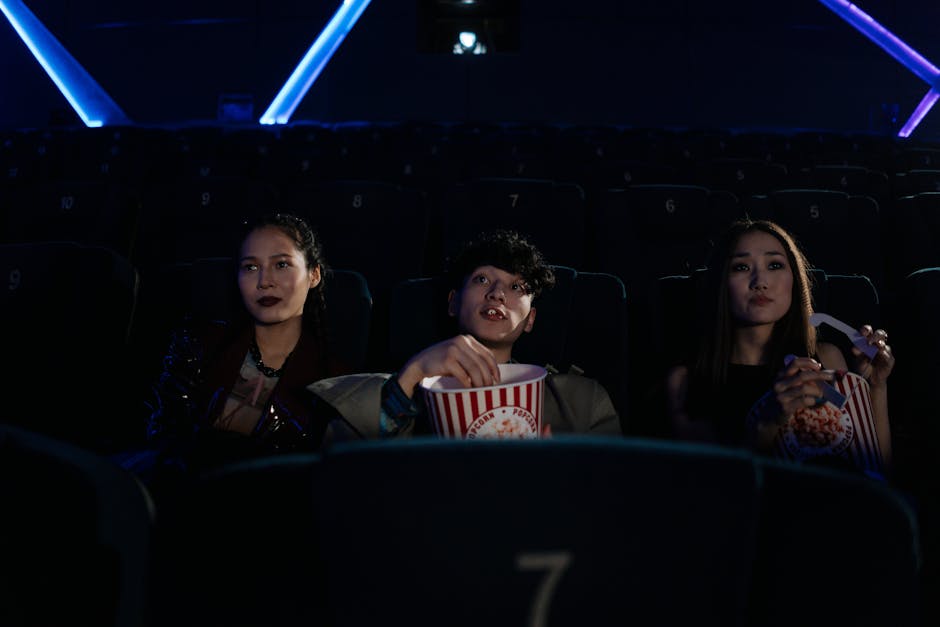
However, concerns persist about theatrical experiences diminishing. The communal act of watching films with strangers in darkened theaters offers something streaming can’t replicate—shared emotional experiences and the undivided attention that home viewing rarely commands.
The pandemic accelerated streaming’s dominance, with studios releasing major films directly to platforms. Whether this represents temporary adaptation or permanent transformation remains debated, but hybrid models combining theatrical windows with streaming releases seem likely to persist.
Movies as Cultural Mirrors and Catalysts 🪞
Films don’t just reflect culture; they shape it. Movies influence fashion, language, social attitudes, and even political discourse.
“Jaws” kept people out of oceans. “Top Gun” boosted military recruitment. “Black Panther” became a cultural phenomenon celebrating African heritage. “Philadelphia” changed perceptions about HIV/AIDS. Films possess remarkable power to shift public opinion and spark conversations.
Representation in cinema matters profoundly. Seeing oneself reflected on screen validates experiences and aspirations. The push for greater diversity in casting, storytelling, and behind-the-camera roles continues transforming the industry, though progress remains uneven.
Movies also preserve history and memory. Documentaries and historical dramas introduce new generations to past events, keeping important stories alive even as living witnesses disappear.
The Economics of Filmmaking: Blockbusters and Indies 💰
The film industry operates as both art and commerce, with economics profoundly affecting what gets made.
Blockbusters with massive budgets ($200+ million) dominate summer releases, banking on spectacular visuals and franchise recognition to guarantee returns. These films require global appeal, which sometimes leads to formulaic storytelling and risk-aversion.
Independent films operate differently, often made for under $10 million with creative freedom compensating for limited resources. Indies frequently push boundaries, exploring unconventional narratives and perspectives that studio executives might consider too risky.
Film festivals like Sundance, Cannes, and Toronto serve as crucial marketplaces where independent films find distributors and break-out successes emerge. “Get Out,” “Little Miss Sunshine,” and “Whiplash” all launched at festivals before achieving mainstream success.
The Future of Cinema: Technology and Innovation 🚀
Emerging technologies continue reshaping filmmaking possibilities. Virtual reality promises immersive narratives where viewers become participants rather than observers. Artificial intelligence assists with everything from scriptwriting to visual effects, though creative human judgment remains irreplaceable.
High frame rates, improved CGI realism, and volumetric capture create increasingly convincing digital worlds. “The Mandalorian’s” virtual production techniques, using LED walls instead of green screens, demonstrate how technology empowers filmmakers to visualize impossible environments in real-time.
However, technology serves storytelling—not the reverse. The best films throughout history succeed because they move audiences emotionally, not because they showcase technical achievements. As tools evolve, the fundamental requirement remains unchanged: compelling stories well told.
Why Movies Continue to Matter in the Digital Age 💫
Despite countless entertainment options competing for attention, movies retain cultural centrality. They provide shared experiences in increasingly fragmented media landscapes. Discussing the latest film phenomenon creates social bonds, whether debating plot twists with friends or analyzing cinematography on social media.
Films also offer escapism during challenging times. They allow us to experience adventures we’ll never have, visit places we’ll never go, and understand perspectives different from our own. This empathy-building function may be cinema’s most valuable contribution.
For aspiring filmmakers, barriers to entry have never been lower. Quality cameras exist in smartphones, editing software runs on laptops, and distribution platforms accept content globally. The next great director might be shooting their breakthrough film right now on equipment that costs less than a used car.
Building Your Cinematic Literacy: Where to Start 🎓
For those wanting to deepen their appreciation, exploring cinema history and diverse genres enriches the viewing experience.
Start with acknowledged masterpieces across different eras: silent classics like “Metropolis,” Golden Age gems like “Casablanca,” New Hollywood landmarks like “The Godfather,” and contemporary achievements like “Parasite.” Each represents excellence in different contexts.
Explore international cinema systematically—perhaps choosing one country monthly and watching representative films from different periods. This approach reveals how cultural contexts shape storytelling approaches.
Watch films multiple times, focusing on different elements: first for story, then for visual composition, then for sound design. This layered viewing reveals craft details invisible during initial viewings.
Read about filmmaking techniques, director interviews, and film criticism to develop analytical frameworks. Understanding how films achieve their effects transforms passive viewing into active engagement.
The Eternal Magic of the Silver Screen ✨
Movies endure because they speak to something fundamental in human nature—our need for stories that explain ourselves to ourselves, that transport us beyond everyday limitations, that make us laugh, cry, think, and feel deeply.
Whether you prefer explosions and spectacle or quiet character studies, whether you watch in theaters or on tablets, whether you love Hollywood blockbusters or foreign arthouse films, cinema offers infinite possibilities for discovery and enjoyment.
As technology evolves and distribution methods change, the core appeal remains constant: the lights dim, the screen illuminates, and for two hours we’re somewhere else entirely—experiencing lives not our own, visiting worlds that exist only in imagination, and returning transformed in ways both subtle and profound.
That’s the enduring power of movies—a power that has captivated audiences for over a century and will continue enchanting generations to come, regardless of how the medium evolves. The stories we tell ourselves through cinema reveal who we are, who we’ve been, and who we might become.
