
Anúncios
Alexa has transformed the way we interact with technology, becoming a virtual assistant present in millions of homes worldwide, simplifying daily tasks through voice commands.


Since its launch in 2014, Amazon’s voice assistant has evolved from a simple novelty into an essential smart home companion. What began as a feature integrated into the Amazon Echo speaker has grown into a comprehensive ecosystem spanning multiple devices, third-party integrations, and countless skills that expand its capabilities daily.
The rise of voice-activated technology represents a fundamental shift in human-computer interaction. Rather than typing or tapping, users can now communicate naturally with their devices, making technology more accessible to people of all ages and abilities. This transformation has positioned Alexa at the forefront of the smart home revolution.
🎯 Understanding Alexa’s Core Functionality
At its heart, Alexa is a cloud-based voice service that processes natural language requests and responds with appropriate actions. When you speak to an Alexa-enabled device, your voice is converted to text, analyzed for intent, and processed through Amazon’s sophisticated artificial intelligence systems.
The technology behind Alexa combines automatic speech recognition (ASR) and natural language understanding (NLU) to interpret what users want. This dual-layer approach allows the assistant to not only hear what you say but also understand the context and meaning behind your words.
The processing happens incredibly fast, typically within milliseconds, creating the illusion of a seamless conversation. Amazon continuously refines these algorithms using machine learning, meaning Alexa becomes smarter and more accurate over time as it processes billions of requests from users worldwide.
📱 The Expanding Alexa Ecosystem
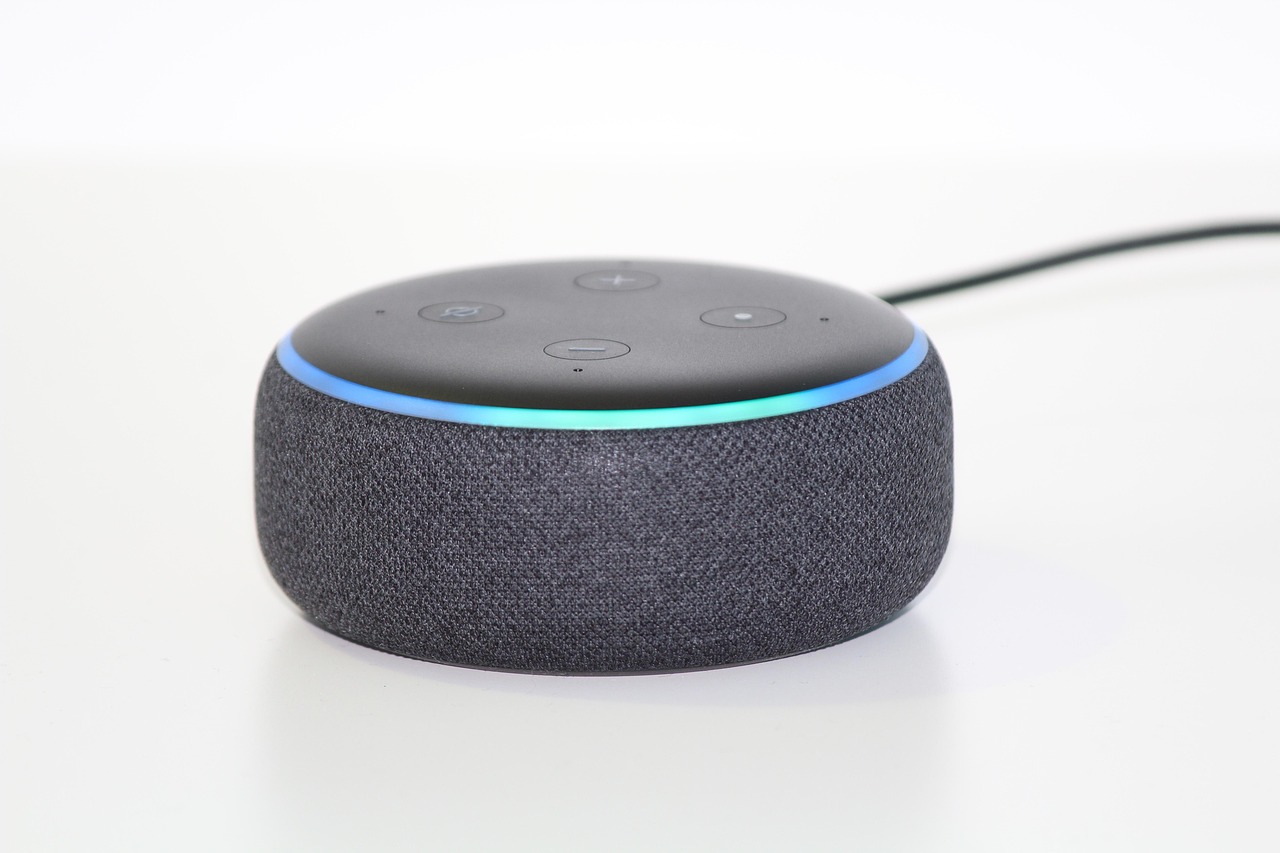
Amazon has strategically expanded Alexa’s presence beyond the original Echo speaker into a diverse range of devices. The Echo family now includes compact models like the Echo Dot, premium options like the Echo Studio for audiophiles, and specialized devices like the Echo Show with visual displays.
Third-party manufacturers have embraced Alexa integration, embedding the assistant into soundbars, televisions, refrigerators, thermostats, and even automobiles. This widespread adoption has created an interconnected ecosystem where a single voice command can control multiple devices simultaneously.
The Alexa mobile app serves as the central hub for managing this ecosystem, allowing users to configure devices, enable skills, create routines, and monitor activity. Available for both iOS and Android, the app extends Alexa’s reach beyond physical devices, putting voice control literally in your pocket.
Smart Home Integration Capabilities 🏠
One of Alexa’s most compelling features is its ability to serve as a central control point for smart home devices. Compatible with thousands of products from hundreds of brands, Alexa can manage lighting, temperature, security cameras, door locks, and entertainment systems through simple voice commands.
Setting up smart home control through Alexa involves linking your devices through the Alexa app, organizing them into groups (like “living room” or “bedroom”), and creating customized routines. These routines can trigger multiple actions with a single command, such as saying “Alexa, good night” to turn off lights, lock doors, and adjust the thermostat.
The compatibility extends to major smart home platforms including Philips Hue, Ring, Nest, Samsung SmartThings, and many others. This interoperability eliminates the need for multiple apps, consolidating control into a unified voice-activated interface.
🎵 Entertainment and Media Features
Alexa excels as an entertainment hub, offering access to vast libraries of music, podcasts, audiobooks, and radio stations. Integration with Amazon Music, Spotify, Apple Music, and other streaming services means users can request virtually any song, artist, or genre instantly.
Beyond music playback, Alexa can provide news briefings from customizable sources, play podcasts from major networks, and stream audiobooks from Audible. The multi-room audio feature allows synchronized playback across multiple Echo devices, creating a whole-home sound system.
For visual content, devices like the Echo Show can stream video from Prime Video, Netflix, Hulu, and other services. Users can watch recipe videos while cooking, check security camera feeds, or make video calls to friends and family who also have Alexa-enabled devices.

💡 Alexa Skills: Expanding Functionality
The Skills Store represents Alexa’s app marketplace, offering over 100,000 third-party extensions that add specialized capabilities. These skills range from simple utilities like unit converters to complex applications like meditation guides, fitness trainers, and interactive games.
Popular skills include meditation apps like Headspace, productivity tools like Any.do for task management, and educational resources like Jeopardy! for trivia enthusiasts. Users can browse, enable, and disable skills through the Alexa app, customizing their assistant’s capabilities to match their interests and needs.
Developers continue creating innovative skills using Amazon’s Alexa Skills Kit, a collection of APIs and tools that simplify voice application development. This open ecosystem encourages innovation, ensuring that Alexa’s functionality continues expanding in response to user demands.
Creating Custom Routines ⚙️
Routines allow users to automate complex sequences of actions triggered by a single command or scheduled event. For example, a morning routine might turn on lights, read the weather forecast, start the coffee maker, and play your favorite news podcast—all initiated by saying “Alexa, good morning.”
The Alexa app provides an intuitive interface for creating routines, with options to specify triggers (voice commands, schedules, device states), actions (device controls, announcements, music playback), and conditions (time of day, day of week). This flexibility enables highly personalized automation tailored to individual lifestyles.
Advanced users can create location-based routines using smartphone geofencing, triggering actions when arriving home or leaving. This transforms Alexa from a reactive assistant into a proactive system that anticipates needs based on patterns and context.
🔒 Privacy and Security Considerations
Voice-activated assistants naturally raise privacy questions, as devices must constantly listen for their wake word. Amazon addresses these concerns through multiple privacy controls built into Alexa devices and the accompanying app.
Users can review and delete voice recordings through the Alexa app or by voice command. The Privacy Hub within the app provides transparency about data collection practices and easy access to privacy settings. Physical mute buttons on Echo devices provide hardware-level assurance that microphones are disabled.
Amazon emphasizes that Alexa processes voice recordings to improve service quality but implements encryption and security protocols to protect user data. The company regularly updates its privacy policies and provides detailed explanations about how information is used, stored, and protected.
🛍️ Shopping and Commerce Integration
Given Amazon’s retail heritage, shopping represents a core Alexa capability. Users can add items to their Amazon cart, track orders, and in some cases, complete purchases entirely through voice commands. Voice purchasing can be protected with confirmation codes to prevent accidental orders.
Beyond direct purchases, Alexa assists with shopping lists that sync across devices and the mobile app. This feature proves especially useful in the kitchen, where hands-free list management while cooking offers genuine practical value.
Alexa can also provide product information, compare prices, and read reviews, serving as a voice-activated shopping assistant. While this integration clearly benefits Amazon’s retail business, it also offers convenience for users already invested in the Amazon ecosystem.
📚 Educational and Informational Capabilities
Alexa functions as a powerful information resource, answering general knowledge questions, providing definitions, performing calculations, and converting units. Integration with Wikipedia, Wolfram Alpha, and other knowledge bases gives the assistant access to vast information repositories.
For students, Alexa offers homework help through skills that teach languages, provide historical facts, or explain scientific concepts. The hands-free nature makes it particularly useful during study sessions when taking notes or working on projects.
Parents appreciate educational content designed for children, including interactive stories, math practice games, and age-appropriate trivia. Amazon has developed specific features like FreeTime (now Amazon Kids) that create child-friendly experiences with parental controls.
Accessibility Features That Matter ♿
Voice control inherently benefits users with mobility limitations, visual impairments, or other disabilities that make traditional interfaces challenging. Alexa’s hands-free operation removes physical barriers to technology access.
Specific accessibility features include voice profiles that recognize individual family members, customizable speech rates for users who need slower responses, and integration with screen readers for visually impaired users accessing the Alexa app.
The Show and Tell feature on Echo Show devices uses computer vision to identify products and read labels aloud, helping blind users identify pantry items and household products independently.
🌐 Multi-Language and Global Availability
Alexa supports multiple languages and regional variations, including English, Spanish, French, German, Italian, Portuguese, Japanese, and Hindi, among others. Multilingual mode allows households to interact with Alexa in different languages without changing settings.
Regional variations account for local accents, colloquialisms, and cultural references, ensuring natural interaction regardless of location. Amazon continues expanding language support and improving recognition accuracy for non-native speakers.
Global availability extends across North America, Europe, Asia, and parts of South America, with region-specific features, skills, and integrations. This international presence positions Alexa as a truly global platform rather than a US-centric service.
🔮 The Future of Voice Technology
Amazon invests heavily in advancing Alexa’s capabilities, focusing on improved natural language understanding, conversational context awareness, and emotional intelligence. Future iterations aim to make interactions even more natural and human-like.
Ambient intelligence represents the next frontier, where Alexa proactively assists based on context without requiring explicit commands. This might include adjusting home settings based on weather patterns, suggesting recipes based on pantry inventory, or offering timely reminders based on calendar events.
Integration with emerging technologies like augmented reality, wearables, and connected vehicles promises to extend Alexa’s presence throughout daily life. Amazon’s vision positions voice interaction as the primary interface for an increasingly connected world.
💬 Getting Started with Alexa
Beginning your Alexa journey requires selecting an appropriate device for your needs and budget. The Echo Dot offers an affordable entry point, while the Echo provides fuller sound quality, and the Echo Show adds visual capabilities.
Setup involves downloading the Alexa app, connecting your device to Wi-Fi, and personalizing settings like your location, preferred music service, and calendar integration. The app guides new users through setup with clear instructions and helpful tips.
Start with basic commands to build familiarity—ask about the weather, set timers, play music, or control compatible smart home devices. As comfort grows, explore skills, create routines, and discover advanced features that match your lifestyle and interests.
🎯 Maximizing Your Alexa Experience
Power users recommend exploring lesser-known features that significantly enhance functionality. Drop In allows instant communication between Echo devices, creating an intercom system throughout your home. Brief Mode replaces verbal confirmations with brief tones for less intrusive responses.
Customizing wake words (choosing between Alexa, Amazon, Echo, or Computer) helps prevent accidental activations and adds personalization. Whisper mode detects whispered commands and responds quietly, perfect for late-night use without disturbing others.
Regularly checking the “Things to Try” section in the Alexa app reveals new features and seasonal capabilities. Amazon frequently adds functionality, so staying informed ensures you’re leveraging the assistant’s full potential.
🌟 Real-World Impact and User Experiences
Millions of users worldwide have integrated Alexa into their daily routines, reporting genuine improvements in convenience, productivity, and accessibility. Testimonials frequently highlight time savings from hands-free operation, especially during cooking, cleaning, or getting ready in the morning.
Families appreciate centralized calendar management, shared shopping lists, and the ability to broadcast messages to all rooms simultaneously. Elderly users and those with disabilities particularly value voice control’s accessibility benefits.
The technology isn’t without limitations—speech recognition occasionally misunderstands requests, and complex queries may yield unsatisfactory responses. However, ongoing improvements continually narrow these gaps, enhancing reliability and user satisfaction.
Alexa represents more than a technological novelty; it embodies a fundamental shift in how we interact with digital systems. By making technology more conversational and accessible, voice assistants like Alexa democratize access to information, entertainment, and home automation. Whether you’re a tech enthusiast seeking cutting-edge smart home integration or someone simply wanting a more convenient way to check the weather, Alexa offers scalable solutions that adapt to diverse needs and preferences. As artificial intelligence continues advancing, the line between human conversation and machine interaction will blur further, making assistants like Alexa increasingly indispensable companions in our connected lives.
