
Anúncios
# HTML Article: 5G Liberar no Celular
Unlocking 5G on your smartphone opens the door to lightning-fast internet speeds, seamless streaming, and a truly next-generation mobile experience.


The rollout of 5G technology has transformed how we connect, communicate, and consume content on our mobile devices. However, many smartphone users aren’t experiencing the full potential of this revolutionary network because their devices aren’t properly configured to access 5G connectivity.
Whether you’ve just upgraded to a 5G-capable phone or your carrier recently activated 5G in your area, understanding how to enable and optimize this feature is essential. This comprehensive guide walks you through everything you need to know about activating 5G on your smartphone, troubleshooting common issues, and maximizing your high-speed mobile experience.
📱 Understanding 5G Technology and Your Smartphone
Fifth-generation wireless technology represents a massive leap forward from 4G LTE networks. With theoretical speeds reaching up to 20 Gbps and real-world performance often exceeding 1 Gbps in optimal conditions, 5G delivers transformative capabilities that extend far beyond faster downloads.
The technology operates across three distinct spectrum bands: low-band (sub-6 GHz), mid-band (2.5-3.7 GHz), and high-band millimeter wave (mmWave). Each offers different trade-offs between speed, coverage, and building penetration. Your smartphone must support the specific 5G bands your carrier uses in your region to access the network.
Not all 5G phones are created equal. Some devices support only certain frequency bands, while flagship models typically offer comprehensive 5G compatibility. Before attempting to enable 5G, verify that your specific device model supports 5G connectivity and is compatible with your carrier’s network infrastructure.
🔓 How to Enable 5G on Android Devices
Activating 5G on Android smartphones is generally straightforward, though the exact steps vary slightly depending on your device manufacturer and Android version. Most modern Android phones from Samsung, Google, OnePlus, Xiaomi, and other manufacturers include dedicated 5G settings.
Start by opening your device’s Settings app and navigating to the network or connections section. Look for “Mobile Networks,” “Cellular Networks,” or a similar option. Within this menu, you should find a “Preferred Network Type” or “Network Mode” setting.
Tap this option and select the configuration that includes 5G. Common options include “5G/4G/3G/2G (Auto),” “5G On,” or “5G/LTE/3G/2G (Auto Connect).” The exact wording depends on your device manufacturer, but any option explicitly mentioning 5G will enable the functionality.
Samsung Galaxy Devices 📲
For Samsung Galaxy users, the process involves opening Settings, selecting Connections, then Mobile Networks. Tap “Network Mode” and choose “5G/LTE/3G/2G (Auto Connect)” or simply “5G” if available. Samsung’s One UI interface makes this particularly intuitive with clear labels and helpful descriptions.
Some newer Samsung models also feature a quick toggle in the notification shade. Swipe down from the top of your screen twice to access all Quick Settings tiles, then look for a “5G” icon you can tap to enable or disable the connection type quickly.
Google Pixel Phones 🔍
Pixel devices running stock Android offer a clean settings interface. Navigate to Settings > Network & Internet > SIMs > Preferred Network Type. Select “5G (recommended)” to enable automatic 5G connectivity when available, with fallback to 4G LTE when 5G isn’t accessible.
Google also introduced adaptive connectivity features that automatically manage your network connection to balance speed and battery life. These intelligent systems learn your usage patterns and optimize accordingly.

🍎 Activating 5G on iPhone Models
Apple introduced 5G support with the iPhone 12 series in 2020, and all subsequent models include comprehensive 5G capabilities. iPhones offer several 5G configuration options that balance performance, battery consumption, and data usage.
To enable 5G on your iPhone, open the Settings app and tap “Cellular” or “Mobile Data” (depending on your region). Select “Cellular Data Options,” then tap “Voice & Data.” Here you’ll find three primary options for 5G connectivity.
The “5G Auto” setting intelligently switches between 5G and LTE based on network conditions and your activity. This option maximizes battery life by using 5G only when it provides meaningful speed advantages. “5G On” forces your iPhone to use 5G whenever available, delivering maximum speeds but potentially reducing battery life.
For users with unlimited data plans who want the absolute fastest speeds, Apple introduced “5G Standalone” mode on newer iPhone models. This option bypasses legacy 4G infrastructure entirely, accessing pure 5G networks where carriers have deployed standalone 5G architecture.
Data Mode Considerations ⚡
Beneath the Voice & Data settings, you’ll find “Data Mode” options that further refine how your iPhone uses cellular data. “Allow More Data on 5G” enables higher-quality video streaming, FaceTime calls, and automatic iOS updates over 5G connections.
Standard mode applies the same data restrictions that typically govern LTE usage, while “Low Data Mode” aggressively reduces cellular data consumption. Choose the setting that aligns with your data plan and usage habits.
🔧 Troubleshooting Common 5G Activation Issues
Despite following the correct activation steps, some users encounter difficulties accessing 5G networks. These issues typically stem from a handful of common causes that are relatively simple to diagnose and resolve.
First, verify that your carrier plan actually includes 5G access. Some legacy plans or basic tiers may require an upgrade to access next-generation networks. Contact your carrier or check your account online to confirm 5G is included in your subscription.
Geographic coverage represents another frequent limitation. While 5G networks continue expanding rapidly, coverage remains limited in many rural areas and some urban neighborhoods. Use your carrier’s coverage map to verify 5G availability in your specific location.
Device Compatibility Checks ✅
Confirm that your exact device model supports 5G on your carrier’s network. Some phones sold internationally may lack the specific radio bands used by carriers in your country. Check your device’s technical specifications against your carrier’s 5G frequency bands.
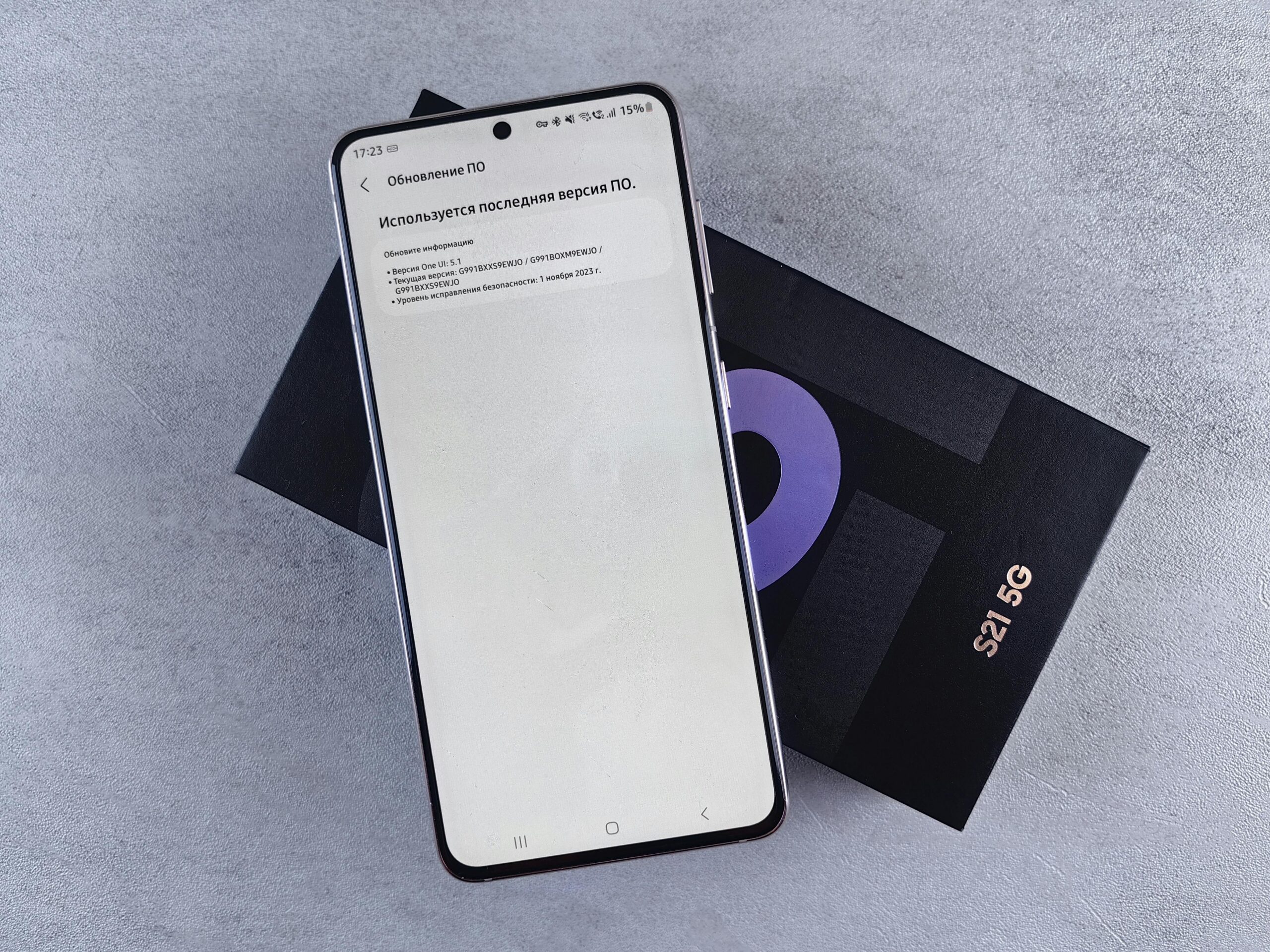
Software updates often enable new 5G features or improve connectivity. Navigate to your phone’s system update section and install any available updates. Carriers and manufacturers frequently release patches that enhance 5G performance and compatibility.
SIM Card Requirements 📡
Older SIM cards may not support 5G connectivity even if your device and plan do. Contact your carrier to request a 5G-compatible SIM card. Many carriers provide these free of charge, and some even allow you to activate eSIM profiles that include 5G support.
After inserting a new SIM card, restart your device completely to ensure proper network registration. This simple step resolves many mysterious connectivity issues by forcing your phone to re-establish its network connection.
⚙️ Advanced 5G Configuration Options
Beyond basic activation, modern smartphones offer sophisticated 5G settings that let you fine-tune performance, battery consumption, and data usage according to your specific needs and priorities.
Network slicing, a revolutionary 5G feature, allows carriers to create virtual networks optimized for specific applications. While most of this occurs transparently at the carrier level, some advanced business plans let users select network slices prioritizing low latency, high bandwidth, or maximum reliability.
Dual SIM devices introduce additional complexity, particularly when using one physical SIM and one eSIM. Check your dual SIM settings to ensure 5G is enabled on your preferred line for data. Some phones limit 5G to the primary SIM, relegating the secondary to 4G LTE.
Developer Options for Power Users 🛠️
Android devices include hidden developer options that provide granular control over network behavior. Enable Developer Mode by tapping your build number seven times in Settings > About Phone. Once activated, Developer Options appear in your main Settings menu.
Within Developer Options, look for “Preferred Network Type” settings that may offer more specific configurations than standard user settings. Options like “NR/LTE” or band-specific selections give technical users precise control over their connectivity.
Exercise caution when modifying developer settings, as incorrect configurations can disrupt connectivity or reduce performance. Document any changes you make so you can revert them if problems arise.
🔋 Managing Battery Life with 5G Connectivity
The enhanced speeds and capabilities of 5G come with increased power consumption, particularly when using millimeter wave connections. Understanding how to balance performance with battery longevity ensures you enjoy 5G benefits without constantly searching for a charger.
The “5G Auto” or “Smart 5G” modes available on most devices provide the best compromise for typical users. These intelligent systems activate 5G only when applications genuinely benefit from higher speeds, defaulting to more efficient LTE connections for basic tasks like messaging or email.
Background apps and automatic updates can rapidly deplete battery when constantly transmitting over 5G. Review your background data settings and consider limiting automatic updates to Wi-Fi connections, especially for large apps and games.
Location-Based Optimization 📍
Create automated routines that adjust your network settings based on location. Android’s Tasker app or iOS Shortcuts can disable 5G automatically when you’re at home or work where Wi-Fi is available, then re-enable it when you’re mobile.
This approach delivers optimal performance when you need cellular data while maximizing battery life when connected to Wi-Fi networks that typically offer superior performance anyway.
📊 Testing Your 5G Connection Speed
After successfully enabling 5G, verify that you’re actually experiencing enhanced speeds by conducting proper speed tests. Understanding your real-world performance helps you optimize settings and determine whether 5G delivers meaningful benefits in your typical usage locations.
Popular speed test applications like Ookla Speedtest, FAST.com, and specialized 5G testing apps provide detailed metrics about download speeds, upload speeds, latency, and jitter. Conduct multiple tests at different times and locations to build an accurate picture of your 5G experience.
Pay particular attention to latency measurements, often expressed as “ping” times. While 5G’s speed advantages are obvious, the dramatic reduction in latency represents an equally important improvement. Low latency enables responsive gaming, smooth video calls, and instantaneous app interactions.
Real-World Performance Expectations 🎯
Understand that advertised peak speeds rarely materialize in everyday use. Real-world 5G speeds typically range from 100 Mbps to 500 Mbps for most users, with millimeter wave deployments sometimes exceeding 1 Gbps in ideal conditions near cell towers.
These speeds still represent massive improvements over 4G LTE, which typically delivers 20-50 Mbps in practical scenarios. Even modest 5G performance enables ultra-HD video streaming, instantaneous cloud gaming, and rapid large file downloads that were impractical on previous networks.
🌐 5G vs 4G LTE: When to Switch Networks
Having the ability to manually toggle between 5G and LTE networks gives you strategic flexibility to optimize for different scenarios. Understanding when each network type offers advantages helps you make informed decisions.
In areas with developing 5G infrastructure, early deployments sometimes deliver slower speeds than mature LTE networks while consuming more battery. If you notice 5G underperforming LTE in specific locations, manually switching to LTE may provide better overall experience.
For critical tasks requiring maximum reliability—like important video calls, navigation, or time-sensitive communications—the more mature and stable LTE networks sometimes prove more dependable than cutting-edge 5G implementations still being optimized.
Conversely, when downloading large files, streaming 4K video, or engaging in bandwidth-intensive activities where speed matters most, ensure 5G is active to leverage its superior capabilities. The network flexibility modern smartphones provide lets you choose the right tool for each task.
🔐 Security Considerations with 5G Networks
As with any network technology, 5G introduces specific security considerations that informed users should understand. While 5G architecture includes enhanced security features compared to previous generations, no wireless technology is completely immune to threats.
5G networks implement stronger encryption protocols and improved authentication mechanisms that make interception and spoofing significantly more difficult. The technology’s design incorporates security lessons learned from 4G vulnerabilities, creating a more robust foundation.
However, the vastly increased number of connected devices and higher data volumes create expanded attack surfaces. Maintain basic security hygiene by using VPNs for sensitive communications, keeping your device software updated, and avoiding suspicious networks claiming to offer 5G connectivity.
🚀 Maximizing Your 5G Experience
Beyond simply activating 5G, several strategies help you extract maximum value from next-generation connectivity. These approaches ensure you’re genuinely benefiting from enhanced speeds rather than just consuming more data without meaningful improvements.
Adjust streaming quality settings in apps like YouTube, Netflix, and Spotify to take advantage of 5G bandwidth. Enable higher resolution options that would buffer constantly on LTE but stream flawlessly over 5G connections.
Cloud gaming services like Xbox Cloud Gaming, NVIDIA GeForce NOW, and Google Stadia become genuinely viable on 5G networks with their combination of high bandwidth and low latency. What felt laggy and compressed on 4G transforms into responsive, high-quality gaming experiences.
Explore augmented reality applications that leverage 5G’s capabilities. AR apps requiring real-time cloud processing can deliver experiences impossible on previous networks, from immersive navigation overlays to interactive educational content.
Future-Proofing Your Device 🔮
As 5G networks mature and carriers optimize their infrastructure, devices will receive software updates unlocking new capabilities and improved performance. Keep your operating system current to benefit from these enhancements as they become available.
Participate in carrier beta programs if available, providing feedback that helps improve network performance in your area. Many carriers offer apps that let users report coverage issues and conduct diagnostic tests that contribute to network optimization.
💡 Final Thoughts on Unlocking 5G Potential
Enabling 5G on your smartphone represents just the first step in experiencing next-generation mobile connectivity. Understanding the technology, properly configuring your device, and strategically leveraging 5G’s capabilities transform how you interact with the digital world through your mobile device.
Whether you’re streaming high-definition content, collaborating in real-time, gaming on the go, or simply browsing more efficiently, 5G delivers tangible improvements that justify the upgrade. The technology continues evolving rapidly, with carriers expanding coverage and enhancing capabilities continuously.
Take time to explore your device’s specific 5G settings, experiment with different configurations, and monitor your real-world performance. The optimal setup varies based on your usage patterns, location, and priorities, so don’t hesitate to adjust settings as your needs change.
As 5G infrastructure matures globally, the technology will increasingly become the standard rather than the exception. By mastering 5G configuration and optimization now, you’re positioning yourself to take full advantage of the mobile-first future already emerging around us. The blazing speeds, minimal latency, and enhanced capabilities of 5G connectivity unlock possibilities that seemed like science fiction just a few years ago—and the revolution has only just begun. 🌟
