
Anúncios
Measuring land accurately is essential for property owners, farmers, surveyors, and real estate professionals who need precise dimensions for planning, development, or legal purposes.


Whether you’re looking to buy a piece of land, divide property among heirs, calculate fertilizer needs for agricultural purposes, or simply understand the boundaries of your yard, knowing how to measure terrain correctly can save you time, money, and potential disputes. The good news is that modern technology has made this task significantly easier than ever before.
Gone are the days when measuring land required expensive equipment and professional surveyors for every small task. Today, smartphone apps combined with GPS technology offer accessible solutions for quick measurements, while traditional methods still hold value for official documentation and legal purposes. Understanding both approaches gives you flexibility and control over your property management needs.
📏 Why Accurate Land Measurement Matters
Precision in land measurement goes far beyond simple curiosity about property size. For farmers and agricultural professionals, knowing the exact acreage helps calculate seed quantities, fertilizer applications, and irrigation requirements. Underestimating or overestimating by even a small percentage can lead to wasted resources or insufficient coverage that affects crop yields.
Real estate transactions depend heavily on accurate measurements. Property values are often calculated per square meter or acre, meaning even minor discrepancies can translate to thousands of dollars in difference. Buyers need confidence that they’re getting what they pay for, while sellers want fair compensation for their entire property.
Legal boundaries become especially important when disputes arise between neighbors or when subdividing land for development. Court cases involving property lines can be lengthy and expensive, making it worthwhile to establish clear, documented measurements from the beginning.
🛰️ Modern GPS Technology for Land Measurement
GPS-based measurement tools have revolutionized how we approach terrain calculation. These systems use satellite signals to determine precise coordinates, allowing users to walk the perimeter of a property while the device automatically calculates the enclosed area. The accuracy can be remarkably good, often within a few meters for consumer-grade devices.
Smartphone applications have democratized this technology further. By simply walking around your property with your phone, specialized apps can track your path and compute the total area. This method works particularly well for irregular-shaped plots that would be difficult to measure using traditional geometric formulas.
The advantages of GPS measurement include speed, convenience, and the ability to measure large or irregularly shaped parcels without complex calculations. You don’t need to clear sightlines or set up equipment at specific points. The digital nature of these measurements also makes it easy to store, share, and reference data later.
🎯 Best Practices for GPS Land Measurement
To get the most accurate results when using GPS technology, timing matters. Satellite visibility improves in open areas without tree cover or tall buildings. Early morning or late afternoon measurements often provide better accuracy than midday readings in some GPS systems.
Walking the perimeter slowly and steadily yields better results than rushing. Pause briefly at corners or significant boundary markers to ensure the GPS registers these important points. Some applications allow you to mark specific waypoints, which helps define exact boundaries.
Always measure at least twice, preferably on different days or at different times. Comparing multiple readings helps identify any anomalies and gives you confidence in the final figure. If measurements differ significantly, investigate potential causes like poor satellite coverage or user error in walking the boundary.

📐 Traditional Methods Still Have Value
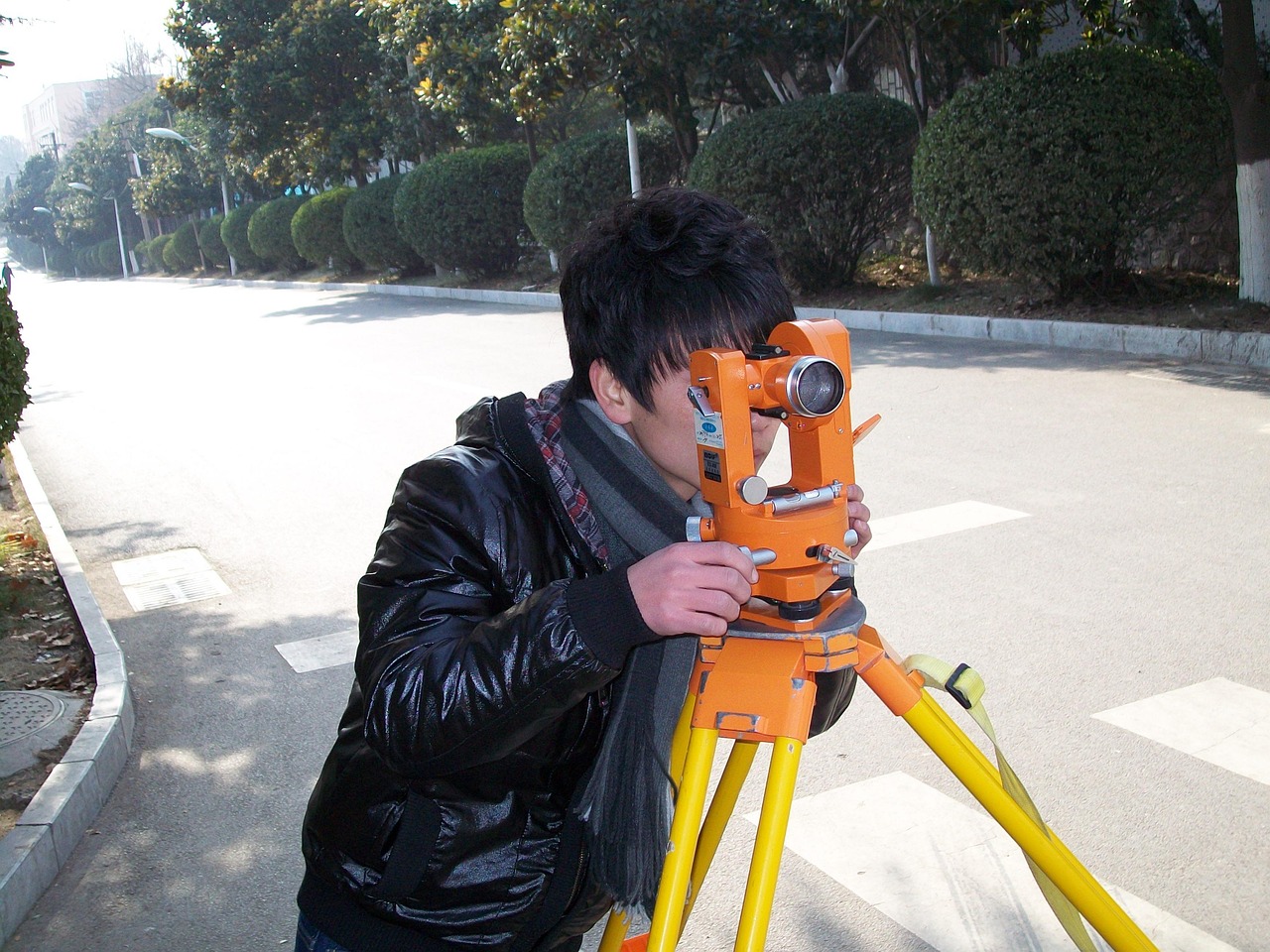
While GPS technology offers convenience, traditional surveying techniques remain essential for legal documentation and highly precise measurements. Professional surveyors use specialized equipment like total stations and theodolites that can achieve millimeter-level accuracy over long distances.
For smaller properties or quick estimates, simple geometric methods work surprisingly well. If your land approximates a rectangle, measuring the length and width with a tape measure and multiplying gives you the area. For more complex shapes, you can divide the property into triangles, rectangles, and other basic shapes, measure each section, and add them together.
The tape measure method requires care and patience. Long distances need proper tension on the tape to avoid sagging, which introduces measurement errors. Using stakes or markers at regular intervals helps maintain straight lines and accurate readings. Two people working together typically achieve better results than one person working alone.
📊 Calculating Irregular Terrain Shapes
When dealing with properties that don’t fit neat geometric patterns, you have several options. The grid method involves overlaying an imaginary grid on the property and counting squares, adjusting for partial squares at the edges. While labor-intensive, this approach works for highly irregular shapes.
Triangulation breaks complex shapes into a series of triangles, each of which can be measured and calculated independently. By measuring the base and height of each triangle, you can determine its area using the simple formula: area equals one-half base times height. Summing all triangles gives you the total property area.
Coordinate geometry takes this further by establishing reference points and using mathematical formulas to calculate areas based on coordinate positions. This method requires more mathematical skill but provides excellent accuracy for properties with documented boundary points.
🌾 Agricultural Land Measurement Needs
Farmers face unique challenges when measuring land because agricultural operations span large areas with varying topography. Flat fields measure differently than sloped terrain, and the actual plantable area may differ from the total property size due to obstacles, waterways, or access roads.
Precision agriculture has made accurate field measurement more important than ever. Variable rate technology for applying fertilizers and pesticides depends on knowing exactly how much area each zone covers. Over-application wastes money and harms the environment, while under-application reduces yields.
Crop insurance and subsidy programs often base payments on declared acreage. Accurate measurements ensure farmers receive proper compensation without risking penalties for incorrect reporting. Many agricultural apps now integrate with farm management systems to track multiple fields across large operations.
💧 Irrigation Planning and Water Management
Designing irrigation systems requires precise area calculations to determine pump capacity, pipe sizing, and sprinkler placement. Miscalculations can result in inadequate water coverage or expensive over-engineering of the system.
Water rights and allocation often depend on the area being irrigated. In regions with water scarcity, authorities may limit usage based on acreage, making accurate measurement a legal requirement. Digital measurement tools help farmers document their irrigation areas and demonstrate compliance with regulations.
Drainage planning also benefits from accurate terrain measurement. Understanding the total area and topography helps engineers design effective drainage systems that prevent waterlogging while capturing and redirecting water appropriately.
🏗️ Real Estate and Property Development
Property developers need accurate measurements at every project stage. Initial feasibility studies require knowing the buildable area to estimate project density and profitability. Zoning regulations often specify maximum building coverage as a percentage of total lot size.
Subdivision planning divides larger parcels into individual lots, each needing precise measurement for equitable distribution and proper legal description. Errors at this stage can cause complications that persist for generations as properties change hands.
Architectural and engineering plans reference property boundaries to ensure structures comply with setback requirements and don’t encroach on neighboring properties. Modern surveying provides the detailed boundary information these professionals need.
💰 Property Valuation and Taxation
Tax assessments typically use property size as a primary factor in determining value. Ensuring your property records reflect accurate measurements can prevent over-taxation. Conversely, if you’re selling, accurate measurements help justify your asking price to potential buyers.
Appraisers compare properties of similar size and characteristics when determining market value. If your property measurements are understated in official records, you might receive a lower appraisal than deserved. Updating records with professional survey results can increase your property’s assessed value when beneficial.
Investment analysis for income-generating properties often calculates returns per square foot or acre. Accurate measurements ensure realistic projections and help investors make informed decisions about purchase prices and development potential.
🔧 Tools and Equipment for Every Budget
Basic land measurement doesn’t require expensive equipment. A quality measuring tape, some stakes, and basic math skills suffice for small, regularly shaped properties. Digital measuring tapes that display readings electronically reduce reading errors and make the process faster.
Mid-range options include measuring wheels that you roll along the ground to measure distances. These work well for longer stretches where tape measures become impractical. Many models include digital displays and memory functions to store multiple measurements.
Professional-grade equipment like laser distance measurers, GPS receivers, and surveying instruments provide the highest accuracy but come with higher costs. For most property owners, these represent overkill unless frequent, highly precise measurements are needed.
📱 Smartphone Apps as Measurement Tools
The smartphone in your pocket can serve as a surprisingly capable measurement device. GPS-enabled apps use your phone’s location services to track your movement and calculate areas. The best apps offer features like waypoint marking, multiple measurement units, and data export capabilities.
Quality varies significantly between apps, so choosing one with good reviews and regular updates matters. Look for apps that show satellite availability and signal strength, as these factors directly impact accuracy. Some apps also provide area calculation for plots drawn on satellite imagery, useful when you can’t physically walk the property.
Augmented reality features in newer apps overlay measurement data onto your phone’s camera view, helping visualize boundaries and dimensions in real-time. This technology bridges the gap between abstract numbers and physical space, making measurements more intuitive.
⚖️ Legal Considerations and Official Surveys
While consumer measurement tools work well for planning and estimation, legal transactions typically require professional surveys. Licensed surveyors stake property corners, document boundaries, and provide certified plats that courts and government agencies accept as authoritative.
Mortgage lenders often require surveys before approving loans, ensuring the property being financed matches the legal description. Title insurance companies also rely on surveys to identify potential boundary disputes or encroachments that could affect property ownership.
Building permits frequently require site plans based on professional surveys showing property boundaries, existing structures, and proposed construction. Local regulations specify acceptable survey standards and which types of improvements trigger survey requirements.
📜 Understanding Survey Types and Their Uses
Boundary surveys establish property lines and corner markers, providing the most common type of legal property documentation. These surveys identify encroachments, easements, and other factors affecting property rights.
Topographic surveys map elevation changes and natural features across the property. Architects and engineers use these to design buildings and infrastructure that work with the terrain rather than against it. Contour lines on topographic surveys show where land rises and falls.
ALTA surveys meet standards set by the American Land Title Association and American Congress on Surveying and Mapping, providing comprehensive information for commercial real estate transactions. These detailed surveys cost more but provide the thorough documentation large transactions require.
🌍 Environmental and Conservation Applications
Environmental scientists measure land areas to monitor habitat sizes, track deforestation, or document wetland extents. Accurate baseline measurements allow researchers to detect changes over time and assess conservation program effectiveness.
Wildlife corridors and protected areas require precise boundaries to ensure adequate protection. GPS technology allows conservation organizations to map large, remote areas efficiently and share data with government agencies and partners.
Carbon credit programs sometimes base payments on forest area and density. Accurate measurement helps landowners receive fair compensation for conservation practices while ensuring program integrity through verified acreage reporting.
🎓 Teaching Land Measurement Skills
Educational programs in agriculture, surveying, and geography include land measurement as a fundamental skill. Students learn both traditional and modern methods, understanding when each approach offers advantages.
Hands-on practice reinforces theoretical knowledge, as students measure actual plots and compare results using different techniques. This experiential learning helps develop intuition about measurement accuracy and error sources.
Technology training now includes GPS apps and digital tools alongside traditional instruments. Preparing students for modern professional environments means teaching them to leverage technology while understanding underlying principles that guide all measurement approaches.
✅ Verifying and Documenting Your Measurements
Cross-checking measurements using multiple methods builds confidence in your results. If GPS, tape measure, and geometric calculations all produce similar figures, you can trust the accuracy. Significant discrepancies signal the need for investigation.
Documenting your measurement process helps if you need to reference the information later or explain your methodology to others. Take photos of property corners, record GPS coordinates, and note the date and conditions during measurement.
Creating simple sketches or diagrams with dimensions labeled provides visual reference that complements numerical data. These don’t need to be professional-quality drawings but should clearly show the property shape and key measurements.
🚀 Future Trends in Land Measurement Technology
Drone technology is revolutionizing large-area measurement by capturing aerial imagery that software processes into accurate area calculations. Photogrammetry techniques create detailed 3D models from overlapping photographs, providing both area and volume measurements.
LiDAR sensors mounted on drones or aircraft emit laser pulses that measure distances with extreme precision, creating detailed elevation maps even through vegetation. This technology helps surveyors map challenging terrain efficiently.
Artificial intelligence and machine learning improve measurement accuracy by analyzing multiple data sources and filtering out errors. Future apps may automatically detect property boundaries from satellite imagery or suggest optimal measurement paths for complex terrain.
The integration of measurement data with blockchain technology could create immutable property records, reducing disputes and streamlining transactions. Smart contracts might automatically execute based on verified property dimensions, making real estate deals faster and more secure.
As technology continues advancing, measuring terrain becomes more accessible, accurate, and integrated with other property management tools. Whether you choose traditional methods, modern GPS apps, or professional surveying services, understanding your options empowers you to make informed decisions about your land measurement needs. The key is matching the measurement method to your specific purpose, budget, and accuracy requirements while staying aware of legal considerations when measurements serve official purposes.
