
Anúncios
Vision is one of our most vital senses, yet many people overlook the importance of regular eye exams and vision assessments to maintain optimal eye health.


Understanding the state of your visual health doesn’t always require an immediate trip to the optometrist. With modern technology and accessible tools, preliminary vision tests can now be conducted at home, giving you valuable insights into whether professional evaluation is needed. These assessments serve as an essential first step in identifying potential vision problems before they significantly impact your daily life.
Whether you’re experiencing blurred vision, eye strain, or simply want to monitor your ocular health proactively, knowing about different types of vision tests empowers you to take control of your eye care journey. From traditional chart-based examinations to innovative digital solutions, the landscape of vision testing has evolved dramatically, making eye health monitoring more convenient than ever before.
🔍 Understanding the Basics of Vision Testing
Vision testing encompasses various methods designed to evaluate how well your eyes function individually and together. These assessments measure different aspects of visual performance, including clarity at various distances, peripheral awareness, color perception, and depth perception. Professional eye examinations typically involve multiple tests that provide a comprehensive picture of your ocular health.
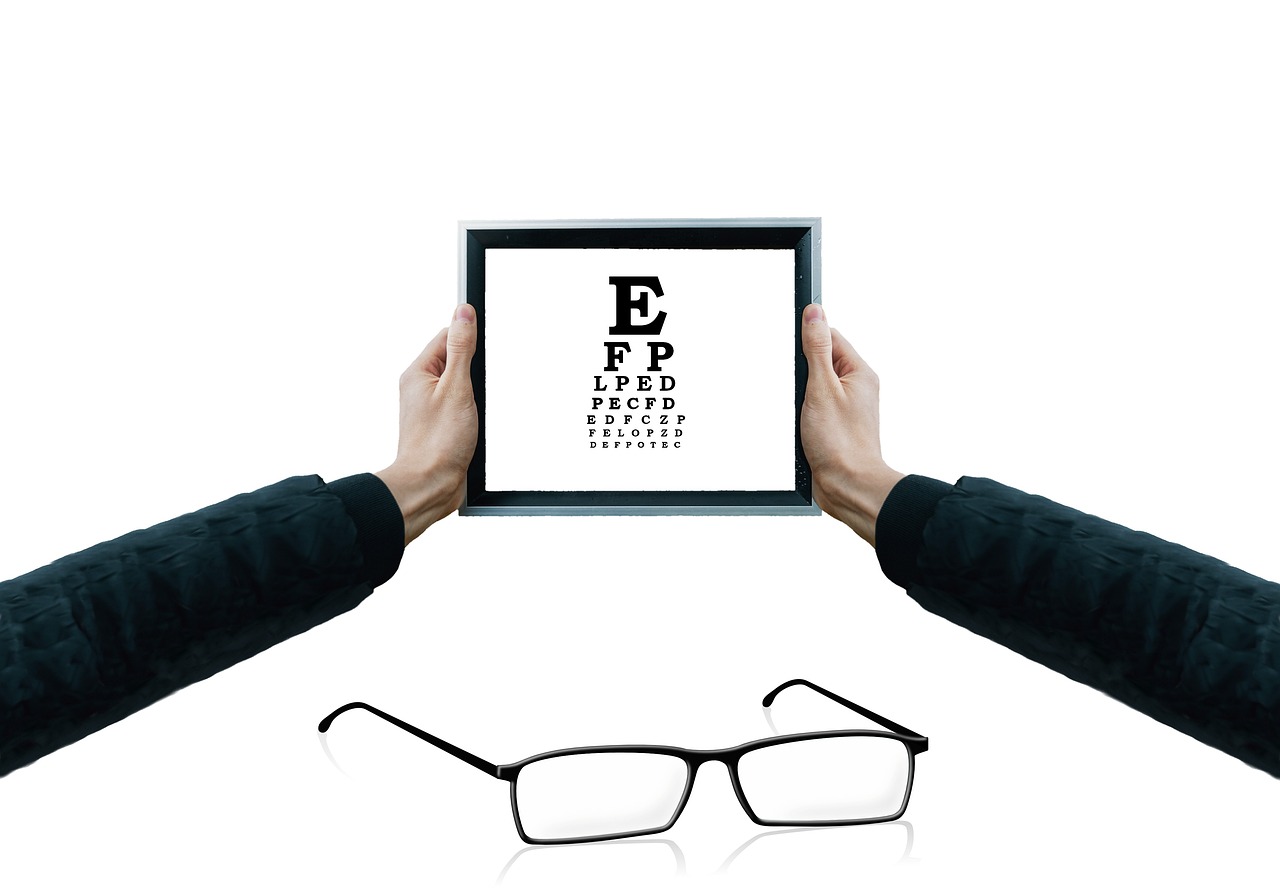
The most recognized vision test remains the Snellen chart, featuring rows of letters that decrease in size as you read downward. This classic assessment has been the gold standard since the 1860s, measuring visual acuity with remarkable consistency. However, modern vision testing has expanded far beyond this single method to include sophisticated evaluations that detect subtle abnormalities.
Understanding what each test measures helps you appreciate why multiple assessments are necessary. Visual acuity tests determine sharpness and clarity, while refraction tests identify the precise lens prescription needed to correct vision. Contrast sensitivity assessments evaluate your ability to distinguish objects from their background, particularly important for night driving and reading in varied lighting conditions.
📱 Digital Revolution in Vision Assessment
Technology has transformed how we approach preliminary vision screening. Mobile applications now offer convenient ways to monitor your eyesight between professional examinations. These digital tools utilize your smartphone or tablet screen to replicate traditional testing methods, bringing eye care directly into your hands.
Modern vision testing apps incorporate scientifically validated methodologies while leveraging the precision of digital displays. They can assess visual acuity, detect color vision deficiencies, evaluate contrast sensitivity, and even screen for common refractive errors. While these applications don’t replace comprehensive professional examinations, they serve as valuable monitoring tools for tracking changes over time.
The accessibility of digital vision tests has democratized eye health awareness. People in remote areas, those with mobility challenges, or individuals between regular check-ups can now conduct preliminary assessments conveniently. This technological advancement has encouraged more people to pay attention to their vision health, potentially identifying issues earlier than they might have otherwise.
👁️ Common Vision Problems Detected Through Testing
Vision tests help identify a wide spectrum of ocular conditions, from simple refractive errors to more complex disorders. Myopia, or nearsightedness, affects millions worldwide and manifests as difficulty seeing distant objects clearly. Conversely, hyperopia (farsightedness) makes close-up tasks challenging, while presbyopia naturally develops with age, affecting near vision typically after 40.
Astigmatism represents another common refractive error where the cornea’s irregular shape causes blurred or distorted vision at all distances. Regular vision testing can detect these conditions early, allowing for timely correction through eyeglasses, contact lenses, or refractive surgery. Early detection significantly improves quality of life and prevents the eye strain that often accompanies uncorrected vision problems.
Beyond refractive errors, vision tests can reveal indicators of serious conditions requiring immediate medical attention. Sudden vision changes, unusual blind spots, or dramatic alterations in color perception may signal retinal detachment, glaucoma, or other sight-threatening diseases. This is why consistent monitoring through both self-assessments and professional examinations remains crucial.

🏥 When Professional Eye Examination Becomes Essential
While home vision tests provide useful preliminary information, they cannot substitute for comprehensive professional eye examinations. Optometrists and ophthalmologists possess specialized equipment and expertise to conduct thorough evaluations that assess not just vision quality but overall eye health, including internal structures invisible to home testing methods.
Professional examinations typically include pupil dilation, allowing detailed inspection of the retina and optic nerve. This process can reveal early signs of diabetes, hypertension, macular degeneration, and glaucoma before symptoms become noticeable. Many systemic health conditions manifest in the eyes, making regular professional eye exams an important component of overall health monitoring.
Adults should schedule comprehensive eye examinations every one to two years, depending on age, risk factors, and existing vision conditions. Children require regular screenings to ensure proper visual development, as undetected vision problems can significantly impact learning and development. Individuals with diabetes, family history of eye disease, or those taking medications affecting vision should maintain more frequent professional evaluations.
✨ Preparing for Your Vision Test
Whether conducting a home vision assessment or preparing for a professional examination, certain preparations optimize accuracy. For home tests, ensure adequate lighting that mimics daylight conditions without creating glare on your screen or testing materials. Position yourself at the recommended distance, typically specified by the testing method, and avoid rushing through the assessment.
Rest your eyes before testing by taking breaks from screens and close-up work for at least 15 minutes. Eye fatigue can temporarily affect results, creating misleading outcomes. If you wear corrective lenses, test both with and without them to understand how your vision changes, but always follow specific instructions provided by your testing method.
For professional examinations, compile a list of current medications, family eye health history, and any vision concerns you’ve experienced. Bring your current eyeglasses or contact lens prescription. If your appointment includes dilation, arrange transportation as your vision will be temporarily blurred and light-sensitive for several hours following the examination.
🎯 Interpreting Vision Test Results
Understanding what your vision test results mean empowers informed decision-making about your eye care. Visual acuity is typically expressed as a fraction, such as 20/20, where the first number represents the testing distance and the second indicates the distance at which a person with normal vision could read the same line. Results of 20/40 mean you see at 20 feet what normal vision sees at 40 feet.
Prescription measurements include several components: sphere (correcting nearsightedness or farsightedness), cylinder (correcting astigmatism), and axis (orientation of astigmatism correction). For those over 40, an “add” value indicates additional magnification needed for reading. Understanding these components helps you discuss options intelligently with your eye care professional.
Color vision tests typically use Ishihara plates featuring numbers or patterns within colored dots. Difficulty identifying these patterns may indicate color vision deficiency, most commonly red-green color blindness. While usually inherited and unchangeable, knowing about color vision limitations helps with career choices and daily adaptations.
💡 Maintaining Healthy Vision Between Tests
Proactive eye care extends far beyond periodic testing. Daily habits significantly impact long-term vision health. The 20-20-20 rule offers simple yet effective protection against digital eye strain: every 20 minutes, look at something 20 feet away for 20 seconds. This practice reduces fatigue from prolonged screen time that characterizes modern life.
Nutrition plays a crucial role in maintaining optimal eye health. Foods rich in omega-3 fatty acids, lutein, zinc, and vitamins C and E support ocular function and may help prevent age-related vision problems. Leafy greens, fatty fish, eggs, nuts, and citrus fruits should feature prominently in a vision-healthy diet. Staying adequately hydrated also prevents dry eyes and maintains comfortable vision.
Protecting your eyes from ultraviolet radiation through quality sunglasses reduces the risk of cataracts and macular degeneration. Choose sunglasses blocking 99-100% of UVA and UVB rays. Protective eyewear during sports, construction work, or any activity with eye injury risk prevents trauma that could permanently damage vision. Never underestimate the importance of safety glasses in hazardous environments.
🌟 Special Considerations for Different Age Groups
Vision needs and common problems vary significantly across life stages. Infants and young children require early vision screening to detect conditions like amblyopia (lazy eye) or strabismus (crossed eyes) that respond best to early intervention. Pediatric vision problems can dramatically affect learning, making school-age screenings particularly important for academic success.
Working-age adults face unique challenges from prolonged digital device usage. Computer vision syndrome affects millions, causing eye strain, headaches, blurred vision, and neck pain. Regular vision testing helps optimize prescriptions for screen work, while workplace ergonomics and proper lighting reduce strain. Progressive or specialized computer lenses often provide significant relief for this demographic.
Seniors experience natural age-related vision changes requiring increased vigilance. Presbyopia affects nearly everyone over 45, while cataracts, glaucoma, and macular degeneration become more prevalent with advancing years. More frequent professional examinations become essential after 60, as early detection and treatment of age-related conditions can preserve sight and maintain independence.
🔬 Advanced Testing Technologies
Modern optometry employs sophisticated technologies providing unprecedented insights into eye health. Optical coherence tomography (OCT) creates detailed cross-sectional images of retinal layers, detecting diseases in their earliest stages. This non-invasive imaging resembles an ultrasound but uses light waves instead of sound, revealing microscopic changes invisible through traditional examination.
Corneal topography maps the surface curvature of your cornea with exceptional precision, essential for fitting specialty contact lenses and planning refractive surgery. Visual field testing assesses peripheral vision comprehensively, crucial for detecting glaucoma and neurological conditions affecting vision. These advanced diagnostics complement traditional testing methods, creating a complete picture of ocular health.
Retinal photography documents the appearance of internal eye structures over time, allowing comparison between examinations to track subtle changes. Some practices now employ artificial intelligence to analyze these images, identifying disease patterns with remarkable accuracy. While technology advances rapidly, the human expertise of trained eye care professionals remains irreplaceable in interpreting results and recommending appropriate treatment.
🌍 Global Perspective on Vision Health
Vision impairment affects over 2.2 billion people globally, with at least 1 billion cases involving preventable or treatable conditions. Access to vision testing varies dramatically worldwide, with underserved populations facing significant barriers to eye care. Mobile vision testing clinics and telemedicine initiatives are expanding access, bringing essential services to remote and economically disadvantaged communities.
Cultural attitudes toward vision care influence when and how people seek testing. Some cultures view eyeglasses as signs of weakness or aging, creating resistance to necessary corrections. Education campaigns emphasizing the connection between vision health and overall quality of life are gradually changing these perspectives, encouraging more proactive approaches to eye care across diverse populations.
The economic impact of uncorrected vision problems extends beyond individual health. Productivity losses from vision impairment cost the global economy billions annually. Investing in accessible vision testing and correction represents not just humanitarian concern but sound economic policy, enabling education, employment, and full participation in society for millions who would otherwise struggle unnecessarily.
🎓 Educational Resources and Continued Learning
Staying informed about vision health empowers better decision-making throughout life. Reputable organizations like the American Optometric Association, World Health Organization, and national eye health institutes provide evidence-based information accessible to general audiences. These resources help distinguish legitimate eye care advice from misleading claims that proliferate online.
Understanding common vision myths prevents potentially harmful practices. Contrary to popular belief, reading in dim light doesn’t permanently damage eyes, though it may cause temporary strain. Carrots support eye health but won’t improve vision beyond normal capacity. Sitting too close to screens causes discomfort but not permanent damage. Separating fact from fiction helps focus efforts on truly beneficial practices.
Emerging research continually refines our understanding of vision health. Gene therapy shows promise for inherited retinal diseases, while stem cell treatments may eventually restore vision lost to macular degeneration. Staying current with developments through credible sources helps patients participate actively in their eye care decisions and maintain realistic expectations about treatment possibilities.
💪 Taking Action for Better Vision Health
Knowledge without action provides little benefit. If you haven’t had your vision tested recently, schedule an examination appropriate for your age and risk factors. Don’t ignore subtle vision changes, assuming they’re just normal aging or temporary issues. Early intervention provides the best outcomes for virtually all eye conditions, preserving sight and preventing complications.
Create a vision health plan incorporating regular professional examinations, daily protective practices, and home monitoring between appointments. Document any vision changes with specific details about when they occur, their duration, and associated symptoms. This information proves invaluable during professional consultations, enabling more accurate diagnoses and targeted treatment approaches.
Advocate for vision health within your family and community. Encourage children’s vision screenings, remind aging parents to maintain regular eye care, and support initiatives expanding access to vision services. Eye health rarely receives the attention afforded to other aspects of wellness, yet vision profoundly affects every dimension of life. Making eye care a priority creates benefits extending far into the future, preserving one of our most precious senses.
Your eyes provide your window to the world, deserving the same careful attention you give to other aspects of health. Whether through convenient digital testing tools or comprehensive professional examinations, regular vision assessment forms the foundation of long-term eye health. Taking proactive steps today ensures clearer, more comfortable vision for years to come, enhancing your quality of life in countless ways both obvious and subtle.
