
Anúncios
Remote control apps have transformed how we interact with our home electronics, offering a convenient smartphone alternative to traditional infrared remotes that often get lost between couch cushions.

The days of juggling multiple remotes for your TV, sound system, air conditioner, and streaming devices are rapidly becoming obsolete.
With smartphone penetration reaching unprecedented levels globally, manufacturers and developers have seized the opportunity to turn our mobile devices into universal command centers for virtually any infrared-enabled appliance in our homes.
This technological shift isn’t just about convenience—it represents a fundamental change in how we design and interact with our living spaces.
Whether you’re adjusting the temperature from bed, switching channels while cooking, or dimming lights during movie night, remote control apps put comprehensive home management literally at your fingertips.
📱 What Makes Remote Control Apps Essential Today
Modern households contain an average of four to six devices that traditionally required separate remote controls. The frustration of managing this collection has driven millions of users toward smartphone-based solutions that consolidate everything into a single, intuitive interface.
Remote control applications leverage the infrared (IR) blaster hardware built into many smartphones, or connect via Wi-Fi and Bluetooth to compatible devices. This technology allows your phone to communicate with televisions, air conditioners, set-top boxes, projectors, DVD players, and even some lighting systems.
The convenience factor extends beyond simple consolidation. These apps offer features impossible with traditional remotes, including customizable layouts, macro commands that control multiple devices simultaneously, voice control integration, and the ability to control devices from anywhere in your home—or even remotely over the internet.
💡 Key Features That Set Modern Apps Apart
Today’s remote control applications have evolved far beyond basic button replication. They incorporate intelligent features designed to enhance user experience and provide functionality that physical remotes simply cannot match.
Smart learning algorithms can detect which devices you own and automatically configure appropriate control schemes. Some apps use your smartphone’s camera to scan barcodes or model numbers, instantly downloading the correct remote layout without tedious manual setup.
Voice command integration represents another significant advancement. Instead of navigating through menus, users can simply speak their intentions—”Switch to HDMI 2,” “Increase volume to 30,” or “Change to CNN”—and the app executes the command immediately.
🏠 Compatibility Across Device Ecosystems
Understanding compatibility is crucial when selecting a remote control app. Not all smartphones include IR blasters, which limits direct infrared communication with older devices. However, this limitation has spawned innovative workarounds that expand functionality across different device types.
For phones without IR hardware, Wi-Fi-based control offers an excellent alternative. Most modern smart TVs, streaming devices, and home entertainment systems support network-based control protocols that apps can utilize without requiring line-of-sight communication.
Bluetooth connectivity provides yet another control pathway, particularly effective for audio equipment, gaming consoles, and newer generation smart appliances that have embraced wireless standards.

🔌 Bridging the Gap with External Hardware
For smartphones lacking built-in IR capabilities, external accessories provide an elegant solution. Small IR dongles that plug into your phone’s charging port or connect via Bluetooth can add infrared transmission capabilities to virtually any device.
Alternatively, smart home hubs like those offered by Logitech, Amazon, or Google serve as intermediaries, receiving commands from your phone over Wi-Fi and translating them into IR signals that control traditional devices.
⚡ Setting Up Your Universal Remote Experience
Getting started with a remote control app typically involves a straightforward setup process, though the exact steps vary depending on your specific hardware configuration and the devices you want to control.
Most apps begin with a device discovery phase, scanning your network for compatible smart devices while also prompting you to manually select traditional IR-controlled equipment from their extensive databases.
The initial configuration might require pointing your phone toward each device and testing various command codes until the app identifies the correct protocol. This process, while occasionally time-consuming for older equipment, needs to be completed only once.
🎯 Optimizing Your Custom Layout
After establishing basic connectivity, customization transforms a functional remote into a personalized control center perfectly suited to your usage patterns and preferences.
Quality remote apps allow complete interface customization. You can rearrange buttons, create custom pages for different rooms or activities, adjust button sizes for easier touch targeting, and even change color schemes to match your aesthetic preferences.
Macro creation represents one of the most powerful customization options. A single button press can trigger multiple sequential commands—like turning on your TV, switching to the correct input, launching your streaming app, and adjusting volume to your preferred level.
🌐 Wi-Fi Remote Control Beyond Your Home
The ability to control devices remotely from outside your home network opens fascinating possibilities that extend far beyond what traditional remotes could ever achieve.
Imagine adjusting your air conditioning before leaving work so your home reaches a comfortable temperature before you arrive. Or checking whether you left the TV running and turning it off remotely to save energy. These scenarios require proper network configuration but deliver remarkable convenience.
Remote access typically requires your home devices to be connected to a network with internet access, and often involves creating secure authentication protocols to prevent unauthorized control. Many modern smart TVs and streaming devices include built-in support for remote management through manufacturer apps or third-party universal solutions.
🔐 Security Considerations for Remote Access
Enabling remote control over the internet introduces security considerations that deserve careful attention. Any device accessible from outside your local network represents a potential vulnerability if not properly protected.
Strong, unique passwords form the foundation of secure remote access. Avoid default credentials and enable two-factor authentication whenever available. Regularly update both your remote control app and the firmware on your controllable devices to patch known security vulnerabilities.
Network segmentation provides an additional security layer, isolating your entertainment devices on a separate network segment from computers and devices containing sensitive personal information.
📺 Popular Use Cases and Real-World Applications
Understanding how people actually use remote control apps in daily life highlights their practical value beyond theoretical convenience.
Home entertainment represents the most obvious application. Families use these apps to control televisions, sound systems, and streaming devices, often finding the smartphone interface more intuitive than learning multiple physical remotes with different button layouts.
Climate control constitutes another major use case. The ability to adjust air conditioning or heating from anywhere in your home—or schedule temperature changes before arriving home—delivers both comfort and energy efficiency.
🎬 Creating the Perfect Movie Night Atmosphere
Entertainment enthusiasts appreciate how remote apps can orchestrate complex multi-device scenarios with minimal effort. A single “movie mode” macro might dim smart lights, close motorized blinds, activate the projector, switch the audio receiver to the correct input, and even adjust the subwoofer volume—all executed seamlessly from one button press.
This level of integration transforms how we experience home entertainment, removing technical friction that previously interrupted the transition from everyday life to immersive viewing experiences.
🔄 Troubleshooting Common Connection Issues
Despite their general reliability, remote control apps occasionally encounter connectivity problems that prevent proper device communication. Understanding common issues and their solutions helps maintain consistent functionality.
Line-of-sight problems affect IR-based control when obstacles block the direct path between your phone and the target device. Unlike traditional remotes with focused IR emitters, smartphone IR blasters may have wider dispersion patterns that can be both advantageous and problematic depending on room layout.
Wi-Fi connectivity issues often stem from network congestion, router placement, or interference from other wireless devices. Ensuring your router uses less congested channels and positioning it centrally within your home typically resolves these problems.
🛠️ Advanced Troubleshooting Techniques
When basic troubleshooting fails to resolve connection issues, more advanced diagnostic approaches can identify underlying problems that aren’t immediately obvious.
Network analysis tools can reveal whether devices are properly appearing on your local network and responding to ping requests. This information helps determine whether the problem lies with the app, your phone, the network infrastructure, or the target device itself.
Resetting device network settings and reconfiguring from scratch, while time-consuming, often resolves persistent issues caused by corrupted configuration data or conflicting settings from previous setup attempts.
🌟 Comparing Top Remote Control Applications
The app marketplace offers numerous remote control solutions, each with distinct strengths, limitations, and ideal use cases. Understanding these differences helps users select the option best suited to their specific needs.
Some applications prioritize broad device compatibility, maintaining extensive databases covering thousands of device models across dozens of manufacturers. Others focus on elegant interface design and user experience, offering beautiful customization options even if device support is slightly more limited.
Specialized apps target specific device categories—dedicated TV remote apps, air conditioner controllers, or smart home integration platforms—potentially offering deeper functionality for their target category than universal solutions.
💰 Free vs. Premium Features
Most remote control apps follow a freemium model, providing basic functionality at no cost while reserving advanced features for paid users. Understanding where developers draw this line helps set appropriate expectations.
Free tiers typically include essential remote functionality for a limited number of devices, basic customization options, and ad-supported operation. Premium subscriptions remove advertisements, unlock unlimited device additions, enable macro creation, provide cloud backup for configurations, and sometimes include priority customer support.
Evaluating whether premium features justify their cost depends on your specific usage patterns. Casual users controlling a single TV might find free versions perfectly adequate, while power users managing multiple rooms of equipment benefit significantly from premium capabilities.
🚀 Future Trends in Remote Control Technology
The remote control landscape continues evolving rapidly as new technologies emerge and consumer expectations shift toward increasingly integrated smart home experiences.
Artificial intelligence integration promises to make remote apps genuinely predictive rather than merely reactive. Imagine your app learning that you always watch specific programs at certain times, automatically preparing your entertainment system without explicit commands.
Augmented reality features could revolutionize device setup and control, allowing users to point their camera at equipment and see virtual control interfaces overlaid on the real-world view, with buttons contextually positioned over the devices they control.
🤖 Voice Assistants and Conversational Control
Voice assistant integration continues deepening, moving beyond simple command recognition toward natural conversational interaction. Rather than memorizing specific phrases, users will communicate intentions naturally, with AI interpreting context and executing appropriate actions.
This evolution promises to make technology more accessible to users who find traditional interfaces challenging, including elderly users, people with physical limitations, and anyone who simply prefers speaking to tapping buttons.
🎓 Maximizing Your Remote App Investment
Getting full value from remote control apps requires more than just installation—it demands thoughtful configuration, regular maintenance, and willingness to explore features beyond basic button replication.
Invest time in proper initial setup rather than settling for quick, minimal configuration. Creating logical device groups, designing intuitive custom layouts, and programming useful macros pays dividends through months and years of daily use.
Regularly review and update your configuration as your device collection changes or as you discover new workflows that could be automated. Remote apps become more valuable over time as their configuration better reflects your actual usage patterns.
Explore community resources like user forums, tutorial videos, and configuration sharing features that many apps provide. Other users often discover creative applications and setup techniques that might not occur to you independently.
✨ Transforming Your Home Control Experience
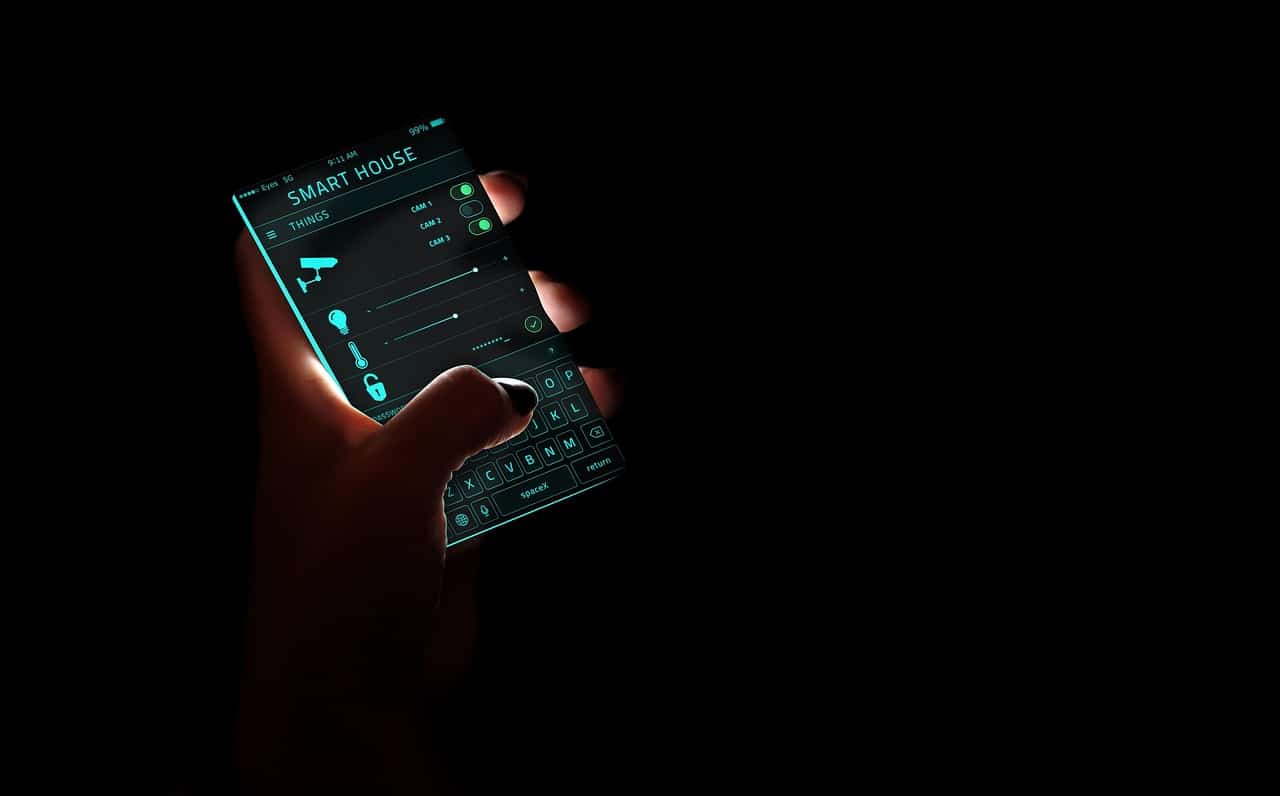
Remote control applications represent far more than simple replacements for physical remotes—they’re gateways to more intelligent, responsive, and personalized home environments. By consolidating control, eliminating clutter, and enabling automation previously requiring expensive dedicated systems, these apps democratize smart home functionality.
Whether you’re taking your first steps toward home automation or seeking to optimize an already sophisticated setup, modern remote apps offer accessible entry points and powerful capabilities that grow with your needs. The technology continues advancing rapidly, promising even more seamless integration between our digital assistants and physical environments.
The lost remote between couch cushions might soon be nothing more than a nostalgic memory as smartphones become the universal interface for our increasingly connected living spaces. Embracing this transition today positions you at the forefront of how homes will be controlled tomorrow.
