
Anúncios
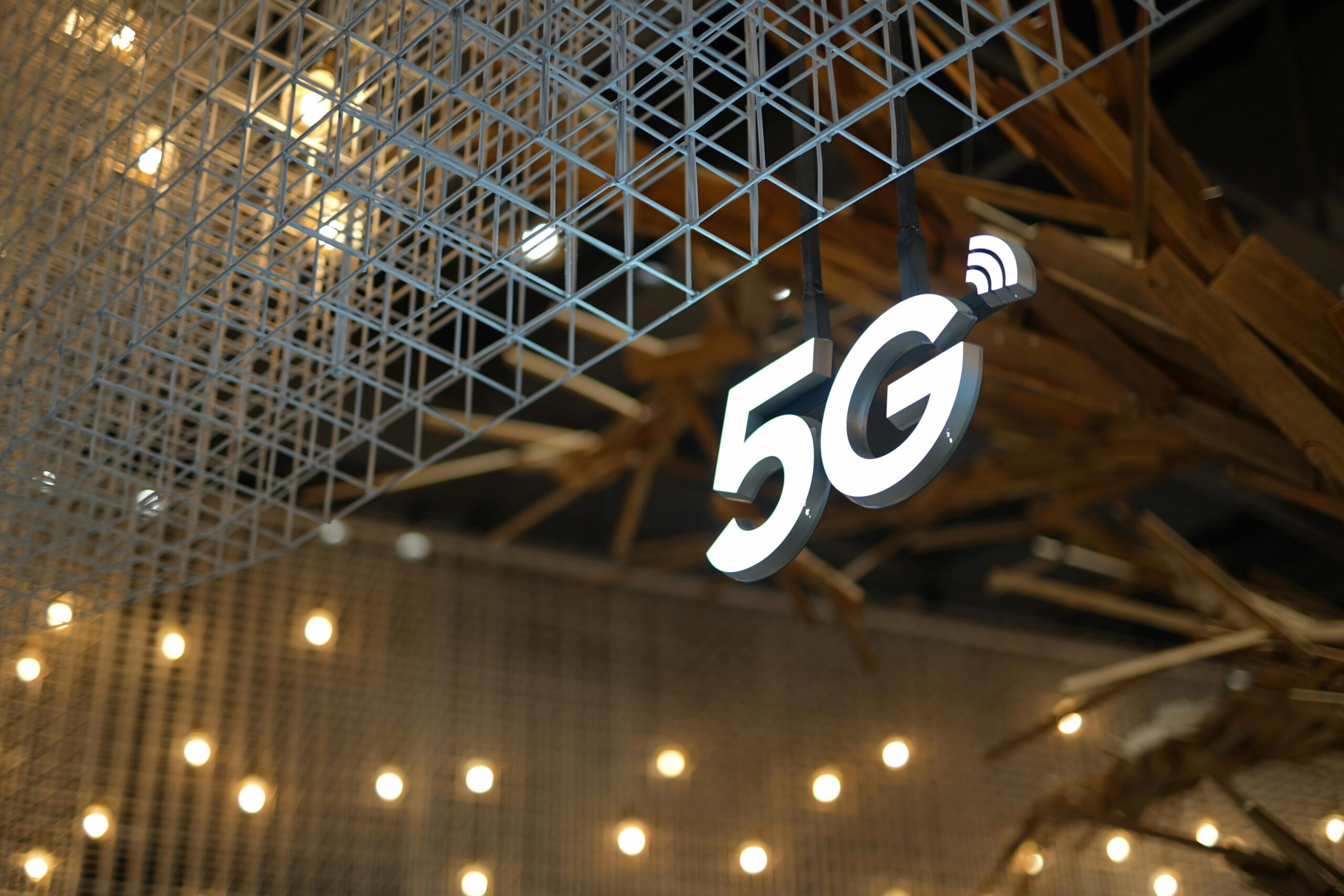
With the rapid expansion of 5G networks worldwide, many smartphone users are eager to unlock the full potential of this blazing-fast connectivity on their devices.
The promise of lightning-speed downloads, ultra-low latency, and seamless streaming has made 5G the most anticipated mobile technology upgrade in recent years.
However, many users find their devices stuck on 4G or LTE networks even in areas with strong 5G coverage.
This frustrating situation has sparked interest in apps designed to help unlock or force 5G connections on smartphones.
Understanding how these applications work, their limitations, and whether they’re necessary for your specific device can save you time and help you make informed decisions about optimizing your mobile connectivity.
Let’s explore everything you need to know about apps that promise to unlock 5G on your phone.

📱 Understanding 5G Technology and Device Compatibility
Before diving into apps that claim to unlock 5G, it’s essential to understand what 5G actually is and how it works on your device. Fifth-generation wireless technology represents a massive leap forward from 4G LTE, offering theoretical speeds up to 100 times faster than its predecessor.
However, accessing 5G isn’t just about having the right app—it requires specific hardware components built into your smartphone. The 5G modem chip inside your device communicates with cellular towers using different frequency bands, including low-band, mid-band, and high-band (mmWave) spectrum.
Your phone must have a 5G-compatible modem and antenna system to connect to these networks. Older devices simply lack the physical hardware necessary to access 5G signals, regardless of what software or apps you install. This is a crucial point many users overlook when searching for 5G unlock solutions.
🔍 Common Reasons Your Phone Isn’t Connecting to 5G
Several factors can prevent your 5G-capable device from connecting to available networks:
- Network settings: Your phone might be set to prefer 4G/LTE for battery conservation
- Carrier restrictions: Some mobile operators limit 5G access based on your plan or account status
- Software limitations: Outdated firmware or system settings may not properly enable 5G bands
- SIM card compatibility: Older SIM cards may not support 5G network authentication
- Regional availability: 5G coverage remains limited in many geographic areas
- Network congestion: Devices may default to 4G when 5G signals are weak or unstable
🛠️ What 5G Unlock Apps Actually Do
Apps marketed as “5G unlockers” typically function as network mode switchers or advanced settings managers. They provide user-friendly interfaces to access hidden network configuration options that exist within your device’s operating system but aren’t easily accessible through standard settings menus.
These applications don’t magically create 5G capabilities in devices that lack proper hardware. Instead, they help users who already own 5G-compatible phones to force their devices to prioritize 5G networks over 4G or 3G alternatives.
Most of these apps work by modifying your phone’s preferred network type settings. They can switch your device from automatic network selection to manual 5G-only mode, or adjust the priority order of different network generations.
⚙️ Key Features of Network Mode Applications
Quality network management apps typically offer several useful features beyond simple 5G activation:
- Network mode switching: Toggle between 5G, 4G, 3G, and 2G manually
- Band selection: Choose specific frequency bands for better connectivity
- Signal monitoring: Real-time display of signal strength and network type
- Speed testing: Built-in tools to measure actual data speeds
- Network information: Detailed technical data about your current connection
- Battery optimization: Options to balance speed with power consumption

📊 Evaluating Popular 5G Unlocking Applications
The app marketplace contains numerous applications claiming to unlock or enable 5G connectivity. However, their effectiveness varies significantly based on your device manufacturer, operating system, and carrier restrictions.
Android devices generally offer more flexibility for network mode switching since the operating system allows deeper access to system-level network configurations. iOS devices, with their more restricted ecosystem, provide limited options for third-party apps to modify core network settings.
| App Type | Android Compatibility | iOS Compatibility | Primary Function |
|---|---|---|---|
| Network Mode Switchers | High | Limited | Force specific network types |
| Speed Test Apps | High | High | Measure connection performance |
| Signal Monitors | High | Medium | Display network information |
| Network Optimizers | Medium | Low | Improve connection stability |
🎯 Choosing the Right Application for Your Needs
When selecting a 5G unlock or network management app, consider several important factors. First, verify that the app has positive reviews from users with similar devices and carriers. Apps that work perfectly on Samsung devices might not function on Xiaomi or OnePlus phones.
Check the app’s permissions carefully. Legitimate network management tools require access to your phone state and network settings, but should never request unnecessary permissions like contacts, camera, or storage access.
Free apps with excessive advertisements or suspicious permission requests should raise red flags. Quality network tools are often lightweight and straightforward, focusing on functionality rather than flashy interfaces.
🔧 Manual Methods to Enable 5G Without Apps
Before downloading third-party applications, you should explore your device’s built-in options for enabling 5G connectivity. Both Android and iOS include native settings that can accomplish what many apps promise.
On most Android devices, navigate to Settings > Mobile Networks > Preferred Network Type, where you can manually select 5G or 5G/4G/3G auto-connect options. The exact menu path varies by manufacturer and Android version, but the functionality exists in most modern 5G-capable phones.
iPhone users with 5G-compatible models can access similar settings through Settings > Cellular > Cellular Data Options > Voice & Data, where they can choose between 5G On, 5G Auto, or LTE modes.
📱 Device-Specific Settings Access
Different smartphone manufacturers place network settings in various menu locations:
- Samsung Galaxy: Settings > Connections > Mobile Networks > Network Mode
- Google Pixel: Settings > Network & Internet > SIM > Preferred Network Type
- OnePlus: Settings > Wi-Fi & Network > SIM & Network > Select SIM > Preferred Network Type
- Xiaomi/Redmi: Settings > SIM Cards & Mobile Networks > Select SIM > Preferred Network Type
- iPhone: Settings > Cellular > Cellular Data Options > Voice & Data
⚡ Real Performance Benefits and Limitations
Understanding what 5G can realistically deliver helps set appropriate expectations. While theoretical maximum speeds reach several gigabits per second, real-world performance depends on numerous factors including network congestion, distance from towers, and infrastructure quality.
In optimal conditions with strong 5G coverage, users typically experience download speeds ranging from 100 Mbps to 1 Gbps, with upload speeds of 50 Mbps to 500 Mbps. Latency improvements are equally impressive, often dropping below 20 milliseconds compared to 4G’s typical 50-100 milliseconds.
However, forcing your device to use 5G-only mode in areas with spotty coverage can actually degrade your experience. When the 5G signal is weak, your phone constantly searches for better connectivity, draining battery life while delivering slower speeds than a stable 4G connection would provide.
🔋 Battery Consumption Considerations
The relationship between 5G connectivity and battery life represents one of the most significant trade-offs users face. Early 5G modems consumed considerably more power than their 4G counterparts, though newer chipsets have improved efficiency dramatically.
Using apps to force permanent 5G connectivity can accelerate battery drain, especially in areas where your device constantly switches between network types. Most manufacturers recommend using automatic network selection, which intelligently balances speed with battery conservation.
Smart network management means allowing your device to use 5G when available and beneficial, while falling back to 4G during activities that don’t require maximum bandwidth, like background email syncing or music streaming.
🌐 Carrier and Regional Availability Factors
Even with a 5G-capable device and the right apps or settings, your ability to connect depends entirely on your carrier’s network infrastructure. Mobile operators deploy 5G at different speeds, prioritizing major metropolitan areas before expanding to suburban and rural regions.
Some carriers also implement plan-based restrictions, reserving 5G access for premium subscription tiers. In these cases, no app can bypass carrier-level limitations—you’ll need to upgrade your service plan to access available 5G networks.
Additionally, different carriers utilize different 5G frequency bands. Your phone might support some 5G bands but not others, limiting connectivity options depending on how your specific carrier has deployed their network.
🛡️ Safety and Privacy Considerations
When downloading any app that modifies system-level settings, exercising caution protects your device and personal information. Stick to applications from reputable developers with established track records and transparent privacy policies.
Read user reviews carefully, paying special attention to recent feedback rather than outdated comments. Apps that once functioned properly may become problematic after updates or changes in operating system requirements.
Avoid apps requesting excessive permissions unrelated to network management. A legitimate 5G unlock app needs access to phone state and network settings, but shouldn’t require permissions for contacts, messages, photos, or other sensitive data.
💡 Optimizing Your 5G Experience
Beyond simply enabling 5G, several strategies can help you maximize the benefits of next-generation connectivity. Start by understanding your usage patterns—identify which activities genuinely benefit from 5G speeds versus those that work perfectly fine on 4G.
Video streaming, large file downloads, cloud gaming, and video conferencing represent ideal use cases for 5G. Meanwhile, browsing social media, sending messages, or streaming music consume minimal bandwidth that 4G handles efficiently.
Many smartphones now include adaptive connectivity features that automatically select the most appropriate network type based on your current activity. Enabling these intelligent management systems often delivers better overall performance than forcing constant 5G connectivity.
📈 Monitoring Network Performance
Regular speed testing helps verify whether 5G delivers meaningful improvements in your specific locations. Conduct tests at different times throughout the day, as network performance varies with congestion levels.
Compare 5G performance against 4G in your most frequently visited locations. You might discover that 4G provides sufficient speed with better battery efficiency for your daily routine, reserving 5G for specific high-bandwidth activities.
Document areas where 5G connectivity proves unstable or slower than 4G. This information helps you make informed decisions about when to manually switch network modes for optimal performance.
🔮 The Future of 5G Accessibility
As 5G networks mature and expand, the need for specialized unlock apps will likely diminish. Manufacturers and carriers continue refining automatic network selection algorithms, making manual intervention increasingly unnecessary for most users.
Newer 5G chipsets integrate better power management and more sophisticated band selection capabilities. These hardware improvements, combined with expanding network coverage, will deliver seamless 5G experiences without requiring user configuration or third-party applications.
However, power users and those in areas with challenging network conditions may continue finding value in apps that provide detailed control over connectivity settings. The key is understanding these tools as supplements to, rather than replacements for, proper hardware and carrier support.

🎯 Making an Informed Decision About 5G Apps
Apps claiming to unlock 5G on your phone can provide genuine utility for specific use cases, but they’re not magic solutions. Their effectiveness depends on having compatible hardware, available network coverage, and understanding what these tools actually accomplish.
Before downloading any application, verify your device includes 5G hardware, check your carrier’s coverage maps, and confirm your service plan includes 5G access. These fundamental requirements determine whether any app can help improve your connectivity.
For users whose 5G-capable devices stubbornly refuse to connect despite meeting all requirements, network mode switching apps offer legitimate troubleshooting options. They provide access to settings that might resolve connectivity issues caused by software glitches or configuration problems.
However, maintain realistic expectations. No app can add 5G capabilities to hardware that lacks proper modems and antennas, bypass carrier restrictions, or create coverage where infrastructure doesn’t exist. Understanding these limitations prevents disappointment and helps you make informed choices about managing your mobile connectivity. 🚀
