
Anúncios
Radio broadcasting remains one of the most accessible and beloved forms of entertainment and information worldwide, connecting millions of listeners through FM and AM frequencies every single day.


Whether you’re commuting to work, relaxing at home, or working out at the gym, radio has maintained its relevance in the digital age. The simple act of tuning into your favorite FM or AM station creates a personal connection that streaming services sometimes struggle to replicate.
Understanding the differences between FM and AM radio, how to access them, and what makes each format unique can enhance your listening experience significantly. Let’s explore everything you need to know about enjoying radio broadcasts through both traditional and modern methods.
📻 The Fundamental Differences Between FM and AM Radio
FM (Frequency Modulation) and AM (Amplitude Modulation) represent two distinct methods of transmitting radio signals, each with unique characteristics that affect sound quality and reception range.
FM radio operates on higher frequencies, typically between 88 and 108 MHz, delivering superior sound quality with minimal static interference. This makes FM the preferred choice for music stations, where audio fidelity matters most. The signal travels in a straight line and doesn’t bend around obstacles easily, which limits its range but maintains clarity.
AM radio functions on lower frequencies, ranging from 530 to 1700 kHz, with signals that can travel much farther, especially at night. The ionosphere reflects AM waves back to Earth, allowing stations to reach listeners hundreds or even thousands of miles away. However, this format is more susceptible to interference from electrical equipment, thunderstorms, and other environmental factors.
Why Sound Quality Differs Between the Two Formats
The technical architecture of FM radio allows for a bandwidth of approximately 200 kHz per station, compared to AM’s narrower 10 kHz bandwidth. This wider bandwidth enables FM to transmit higher audio frequencies, resulting in richer, more detailed sound reproduction.
AM radio’s limited bandwidth restricts its audio range, which is why talk shows, news broadcasts, and sports commentary dominate this format. The human voice remains intelligible even with AM’s technical limitations, making it perfectly suitable for spoken content.
🎧 Traditional Methods to Listen to FM and AM Radio
Despite technological advances, traditional radio receivers remain widely used and appreciated for their simplicity and reliability. No internet connection, no subscription fees, and no complicated setup—just pure, immediate access to broadcasts.
Portable transistor radios offer incredible convenience for on-the-go listening. These compact devices run on batteries and can accompany you to the beach, park, or anywhere you need portable entertainment. Many modern versions include digital displays, preset station memory, and improved speaker systems.
Car radios continue to be standard equipment in virtually every vehicle manufactured today. The integration of radio with other infotainment systems has evolved, but the core functionality remains unchanged. HD Radio technology has enhanced FM reception in many newer vehicles, delivering near-CD quality audio.
Home Stereo Systems and Dedicated Receivers
High-fidelity home stereo systems with quality tuners can extract exceptional performance from FM broadcasts. Audiophiles often invest in separate radio tuners with superior components, external antennas, and advanced filtering to maximize signal quality and minimize interference.
Clock radios have served as bedroom staples for generations, combining timekeeping with alarm functions and radio reception. These dual-purpose devices ensure you wake up to your favorite morning show or music station reliably every day.
📱 Modern Digital Solutions for Radio Listening
Technology has revolutionized how we access radio content, with smartphones and internet connectivity opening new possibilities for traditional broadcasting. Mobile applications now offer access to thousands of FM and AM stations from around the world, all from a single device.
Dedicated radio apps provide several advantages over traditional receivers. You can access stations beyond your local market, save favorites for quick access, view song information in real-time, and enjoy consistent quality regardless of your physical location. Many apps also include alarm clock functions, sleep timers, and recording capabilities.
Internet radio streaming has blurred the lines between traditional broadcasting and digital content. Stations simultaneously broadcast their signal over the air and stream online, ensuring maximum audience reach. This dual approach helps local stations connect with expatriates, travelers, and anyone interested in content from specific regions.
Smart Speakers and Voice-Activated Radio Access
Voice assistants like Amazon Alexa, Google Assistant, and Apple’s Siri have made radio access incredibly simple. A verbal command like “play FM radio” or “tune to AM news station” instantly connects you to live broadcasts without touching any buttons or screens.
Smart speakers with built-in radio apps provide excellent sound quality and convenience. These devices can integrate radio listening into your smart home routines, automatically playing your favorite morning show when you wake up or switching to news stations at predetermined times.
🌍 The Global Reach of Radio Broadcasting
Radio’s universal accessibility makes it a crucial medium in both developed and developing nations. In remote areas where internet infrastructure remains limited, radio provides essential news, education, and entertainment services to communities otherwise isolated from information sources.
International broadcasting services like BBC World Service, Voice of America, and Radio France Internationale transmit programs across continents, particularly through shortwave AM frequencies. These services provide news, cultural programming, and language education to millions of listeners worldwide.
Community radio stations serve local populations with hyper-local content, emergency information, and cultural programming that larger commercial stations cannot provide. These grassroots broadcasters create strong bonds within neighborhoods and preserve local identities in an increasingly globalized media landscape.
🎵 Music Discovery Through Radio Stations
Despite the dominance of streaming platforms with algorithmic recommendations, radio DJs and programmers still play a vital role in music discovery. The human curation aspect brings emotional intelligence and cultural context that algorithms struggle to replicate.
Specialized music stations focusing on genres like jazz, classical, indie, or electronic music introduce listeners to artists and tracks they might never encounter through personalized streaming playlists. The serendipity of hearing an unexpected song creates memorable experiences that strengthen our connection to music.
College radio stations have historically served as incubators for emerging artists and underground scenes. These non-commercial stations take risks on unknown talent and experimental sounds, often breaking artists who later achieve mainstream success.
Live Performance and In-Studio Sessions
Many radio stations host live performances and intimate in-studio sessions with artists, offering unique content unavailable elsewhere. These performances showcase raw talent and create special moments between musicians and audiences, often resulting in iconic recordings that fans treasure for years.
📰 News, Talk Shows, and Information Programming
AM radio particularly excels at delivering news, talk shows, and information-based programming. The format’s extended range makes it ideal for reaching large audiences with time-sensitive information, emergency broadcasts, and breaking news coverage.
Sports broadcasting has found a natural home on AM radio, where play-by-play commentary and analysis don’t require high-fidelity audio reproduction. Major sporting events attract massive radio audiences, with passionate announcers painting vivid pictures through words alone.
Political talk shows and discussion programs thrive on radio, where the medium’s intimacy creates strong connections between hosts and regular listeners. The call-in format enables audience participation and creates communities of engaged citizens discussing current events.
🚨 Emergency Broadcasting and Public Safety
Radio remains the most reliable mass communication system during emergencies when internet and cellular networks may become overloaded or non-functional. The Emergency Alert System in the United States and similar systems worldwide use radio to disseminate critical safety information instantly.
Battery-powered and hand-crank emergency radios ensure that households can receive vital information during power outages, natural disasters, or other crisis situations. Emergency management agencies consistently recommend including a portable radio in every emergency preparedness kit.
NOAA Weather Radio provides continuous weather information and warnings for severe conditions across the United States. These specialized AM/FM broadcasts can trigger automatic alerts on compatible receivers, potentially saving lives by providing advance warning of dangerous weather.
🔧 Optimizing Your Radio Reception
Achieving optimal radio reception often requires attention to antenna placement, receiver quality, and environmental factors. Understanding these variables helps you enjoy clearer, more consistent broadcasts whether you’re listening to FM or AM stations.
For FM reception, elevation and line-of-sight to transmission towers matter significantly. Indoor antennas benefit from placement near windows, preferably on higher floors. External antennas mounted on rooftops or in attics deliver substantially better results, particularly for distant stations.
AM radio reception improves with larger antennas and proper orientation. Many portable AM radios include directional ferrite loop antennas inside their cases—rotating the entire radio changes antenna direction. External long-wire antennas dramatically enhance AM reception, especially for distant stations during nighttime hours.
Dealing with Interference and Signal Issues
Electronic devices including computers, fluorescent lights, power supplies, and LED bulbs can generate interference affecting radio reception. Identifying and mitigating these interference sources often requires systematic troubleshooting, moving the radio away from potential culprits, or using shielded cables and filters.
Multipath interference occurs when radio signals reflect off buildings and terrain, arriving at your receiver at slightly different times. This creates distortion and signal dropouts, particularly noticeable with FM broadcasts in urban areas with tall buildings. Better antenna placement or directional antennas can minimize multipath issues.
💡 The Future of FM and AM Broadcasting
While digital media consumption continues growing, radio broadcasting adapts and evolves rather than disappearing. Hybrid radio systems combining traditional broadcasts with internet connectivity offer enhanced features while maintaining the reliability and accessibility that make radio valuable.
HD Radio technology in the United States and DAB (Digital Audio Broadcasting) in Europe and elsewhere provide digital-quality audio over traditional radio frequencies. These systems allow stations to broadcast multiple sub-channels and data services alongside their main programming.
The integration of radio with connected vehicles, smart home devices, and mobile technology ensures continued relevance for younger audiences. Radio’s unique strengths—locality, immediacy, human curation, and universal accessibility—position it as a complementary medium rather than a competitor to streaming services.
🎯 Choosing the Right Radio Experience for Your Needs
Your ideal radio listening method depends on your specific circumstances, preferences, and priorities. Commuters might prefer car radio integration or mobile apps with offline capabilities. Home listeners might invest in quality stereo tuners or smart speakers with voice control.
Consider sound quality requirements when choosing between formats and receivers. Music enthusiasts should prioritize FM stations and quality receivers with good antennas. News and sports fans may find AM radio perfectly adequate and appreciate its extended range.
Budget considerations also influence your options. Traditional portable radios remain incredibly affordable, often costing less than a single month of streaming service subscriptions. Premium solutions like audiophile-grade tuners and external antennas require larger investments but deliver correspondingly superior performance.
🌟 Rediscovering the Joy of Radio Listening
In our on-demand entertainment era, radio offers something increasingly rare—surprise and discovery. You don’t control what plays next, which opens possibilities for encountering music, ideas, and perspectives outside your usual preferences.
The communal aspect of radio creates shared experiences within geographic communities. When a major news event breaks or a beloved local personality signs off, entire regions experience these moments simultaneously, creating cultural touchstones and shared memories.
Radio’s simplicity provides a refreshing alternative to complex streaming interfaces and decision fatigue. Sometimes the perfect entertainment medium is one that simply works when you turn it on, requiring no browsing, searching, or account management.
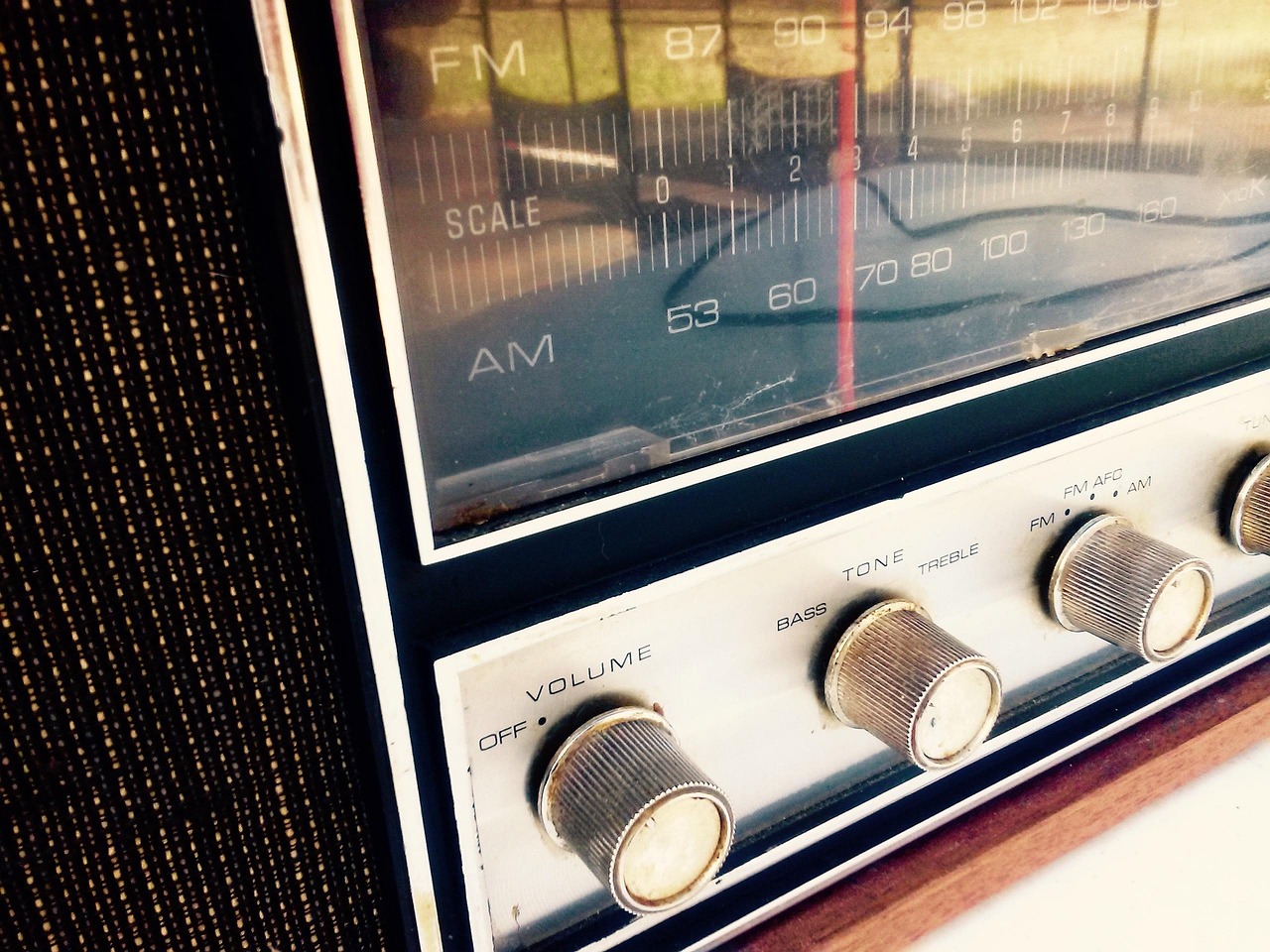
Whether you tune in through a vintage transistor radio, a state-of-the-art receiver, or a smartphone app, FM and AM radio continue offering valuable, accessible, and engaging content. The medium’s enduring appeal lies in its unique combination of intimacy, immediacy, and universality—qualities that remain relevant regardless of technological progress.
Explore your local radio landscape, discover stations that resonate with your interests, and experience the distinctive pleasure of live broadcasting. Radio remains a vibrant, evolving medium that connects communities, discovers talent, and delivers information exactly when you need it most.
