
Anúncios
Ever wondered if it’s possible to secretly read someone else’s messages without them knowing?


This question has intrigued millions of smartphone users worldwide.
The digital age has brought unprecedented connectivity, but it has also sparked curiosity about privacy boundaries.
Whether you’re a concerned parent wanting to monitor your child’s conversations or someone trying to recover deleted messages, understanding the landscape of message-reading applications is essential.
This comprehensive guide explores legitimate ways to access and read messages discreetly, focusing on ethical considerations, technical capabilities, and practical applications.
We’ll dive deep into how these tools work and what you need to know before using them.
🔍 Understanding Message Reading Applications
Message reading applications have evolved significantly over the past few years. These tools were initially developed for data recovery purposes, helping users retrieve accidentally deleted conversations. Today, they serve multiple purposes across different user demographics.
The technology behind these applications typically involves accessing cached data, notification logs, and temporary storage files on your device. When someone sends you a message, your smartphone temporarily stores this information in multiple locations before permanently saving or deleting it.
Modern smartphones create backup copies of notifications, messages, and media files as part of their normal operation. Message reading apps tap into these backup systems to retrieve information that appears deleted or hidden from conventional messaging platforms.
📱 How These Applications Actually Work
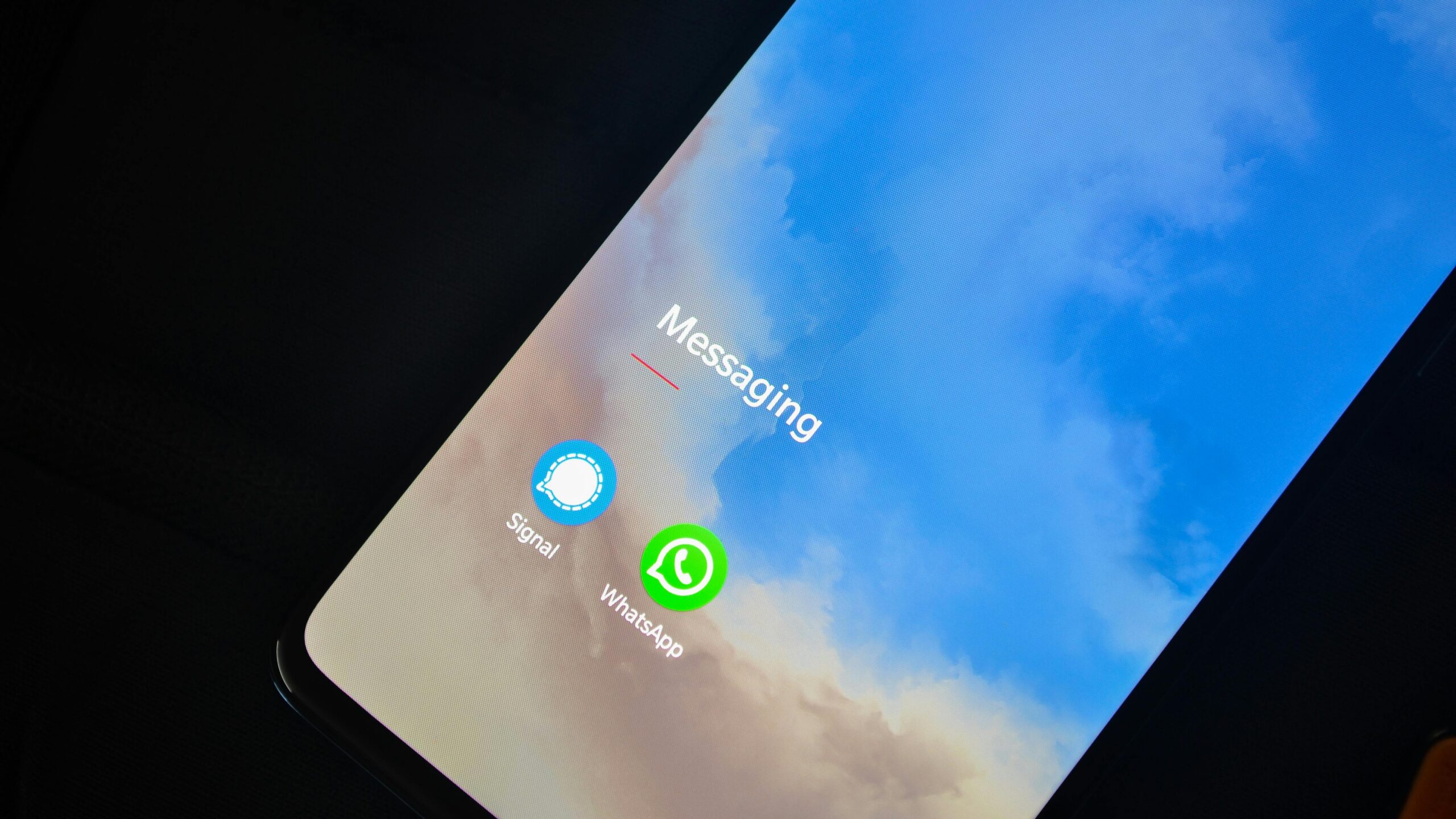
The technical mechanisms behind message reading apps are fascinating yet straightforward. When a messaging app like WhatsApp, Telegram, or Facebook Messenger receives a notification, Android and iOS systems create temporary logs of this activity.
These logs contain message previews, sender information, timestamps, and sometimes even complete message content. Message reading applications access these system-level logs through permission requests granted during installation.
For Android devices, apps typically request notification access permissions. This allows them to read notification content before users dismiss or delete messages. iOS devices have more restrictive permissions, but similar functionality can be achieved through specific workarounds and system extensions.
🔐 Security Considerations and Permissions
Before installing any message reading application, understanding required permissions is crucial. Legitimate apps will clearly explain why they need specific access to your device functions.
Notification access represents the most common permission requirement. This allows apps to read incoming notifications from all sources, including messaging platforms. While this might seem invasive, it’s necessary for the app’s core functionality.
Storage permissions enable the application to save recovered messages, media files, and conversation histories. Some apps also request accessibility permissions to enhance their data recovery capabilities and improve user experience.
💡 Legitimate Use Cases for Message Reading Apps
Understanding when and why to use these applications helps maintain ethical boundaries while maximizing their practical benefits. Several legitimate scenarios justify using message reading technology.
👨👩👧 Parental Monitoring and Child Safety
Parents face unprecedented challenges monitoring their children’s online activities. Cyberbullying, inappropriate content, and predatory behavior pose real threats to young internet users.
Message reading applications provide parents with tools to oversee their children’s digital conversations without being overly invasive. This balanced approach helps protect minors while teaching them responsible online behavior.
Many parents use these apps with their children’s knowledge, creating transparent monitoring arrangements that build trust while maintaining safety. Open communication about why monitoring occurs often yields better results than secretive surveillance.

📋 Business Communication Management
Business owners and managers sometimes need to monitor company-issued devices to ensure compliance with corporate policies. Message reading apps help verify that employees use company resources appropriately.
This monitoring protects sensitive business information, prevents data leaks, and ensures workplace communication maintains professional standards. Many companies include device monitoring clauses in employment agreements, making this practice legally transparent.
💔 Relationship Trust Verification
While controversial, some individuals use message reading apps to address trust concerns in relationships. Though this raises significant ethical questions, people facing genuine suspicions sometimes turn to these tools for clarity.
Relationship experts generally discourage secretive monitoring, recommending open communication instead. However, when direct conversation fails and serious concerns persist, some view these apps as a last resort before making relationship-ending decisions.
🛡️ Privacy and Ethical Considerations
Using message reading applications carries serious privacy implications that every user must carefully consider. Respecting others’ privacy rights remains paramount, regardless of your relationship or intentions.
Most jurisdictions have laws protecting individual privacy, even within families and relationships. Unauthorized surveillance can lead to legal consequences, including criminal charges in extreme cases. Always research local laws before installing monitoring software on devices you don’t personally own.
⚖️ Legal Boundaries and Compliance
Different countries and regions maintain varying privacy laws affecting message reading app usage. In the United States, the Electronic Communications Privacy Act governs digital surveillance, with specific exceptions for parental monitoring of minors.
European Union residents operate under GDPR regulations, which impose strict data protection requirements. These laws generally prohibit monitoring adult communications without explicit consent, with severe penalties for violations.
Employers must navigate additional regulations when monitoring employee communications. Even on company devices, employees retain certain privacy expectations that employers must respect within legal frameworks.
🌟 Key Features to Look For
Choosing the right message reading application requires evaluating several critical features. Not all apps offer identical capabilities, and understanding these differences helps you select the best tool for your needs.
📥 Message Recovery Capabilities
The primary function of any message reading app involves recovering deleted or hidden messages. High-quality applications retrieve complete conversation histories, including text, images, videos, voice notes, and document attachments.
Advanced apps can recover messages deleted by senders before you read them, access notifications from multiple messaging platforms simultaneously, and maintain comprehensive backup systems for long-term storage.
🔔 Real-Time Notification Monitoring
Real-time monitoring features alert you immediately when new messages arrive, even if the sender deletes them quickly. This functionality proves especially valuable for parents monitoring children’s communications or businesses tracking time-sensitive information.
Quality apps display notification content exactly as it appeared originally, preserving context and formatting. They should also timestamp all recovered data accurately for chronological reference.
🎯 User Interface and Accessibility
Even the most powerful message reading app becomes useless if its interface confuses users. Intuitive design, clear navigation, and straightforward functionality distinguish excellent apps from mediocre alternatives.
Look for applications offering clean dashboards, easy-to-understand organization systems, and simple recovery processes. The best apps require minimal technical knowledge while providing comprehensive functionality.
🚀 Installing and Configuring Your First App
Getting started with message reading applications involves several straightforward steps. While specific processes vary between apps, most follow similar installation and configuration procedures.
Begin by downloading the application from official sources like Google Play Store or Apple App Store. Avoid third-party websites claiming to offer “premium” or “hacked” versions, as these often contain malware or violate platform terms of service.
After installation, the app will request necessary permissions. Carefully review each permission request, understanding why the app needs specific access. Legitimate applications explain permission purposes clearly, while suspicious apps may request unnecessary access.
⚙️ Configuration Steps for Optimal Performance
Once installed, configure the app according to your specific needs. Most applications offer customization options controlling which messaging platforms to monitor, notification preferences, and data storage settings.
Enable background operation permissions ensuring the app functions continuously, even when you’re not actively using your device. This allows constant monitoring and real-time message recovery without manual intervention.
Set up automatic backup systems if available. Regular backups protect recovered data against accidental deletion or device failures, ensuring you maintain access to important information over time.
🔧 Troubleshooting Common Issues
Users occasionally encounter technical difficulties when using message reading applications. Understanding common problems and their solutions helps maintain smooth operation and optimal functionality.
⚠️ Permission-Related Problems
The most frequent issues involve insufficient permissions preventing proper app functionality. If your message reading app stops working or fails to recover messages, verify that all required permissions remain enabled.
Android devices sometimes reset permissions after system updates or security patches. Navigate to your device settings, locate the app permissions section, and ensure notification access and storage permissions remain active.
iOS devices require periodic permission renewal for certain functions. If your iPhone app stops recovering messages, check system settings and reauthorize necessary permissions through the dedicated settings panel.
📱 Compatibility and System Updates
Operating system updates occasionally disrupt message reading app functionality. Developers typically release updated versions quickly, addressing compatibility issues with new OS versions.
Keep your message reading app updated to the latest version available. Enable automatic updates in your device’s app store settings, ensuring you always run the most current, compatible version.
💭 Alternative Methods for Message Access
While dedicated applications offer convenient solutions, several alternative methods exist for accessing messages discreetly. Understanding these options provides flexibility when apps prove unsuitable or unavailable.
☁️ Cloud Backup Systems
Many messaging platforms automatically backup conversations to cloud services. WhatsApp, for example, stores encrypted backups on Google Drive or iCloud depending on your device type.
Accessing these backups requires appropriate credentials but provides comprehensive conversation histories. This method works particularly well for parental monitoring when parents maintain access to their children’s cloud accounts.
💻 Desktop Application Synchronization
Messaging platforms offering desktop applications sync conversations across devices. Installing desktop versions allows message access through computers, tablets, or other devices beyond primary smartphones.
This method requires initial QR code scanning or authentication but subsequently provides continuous access to all conversations. Desktop applications display real-time messages, enabling monitoring without constantly checking mobile devices.
🎓 Best Practices for Responsible Usage
Maximizing benefits while minimizing potential harm requires following established best practices for message reading app usage. These guidelines help maintain ethical standards while achieving legitimate monitoring objectives.
Always prioritize transparency when possible. Inform individuals about monitoring activities unless doing so would compromise child safety or legitimate security investigations. Transparent monitoring builds trust and reduces ethical concerns.
Limit monitoring to specific, justifiable purposes. Avoid casual snooping or invasive surveillance without clear necessity. Define your monitoring objectives clearly before beginning, and cease surveillance once those objectives are met.
Protect recovered data diligently. Store sensitive information securely, use strong passwords for app access, and never share recovered messages inappropriately. Treat monitored communications with the same confidentiality expected for your own private conversations.
🌐 The Future of Message Reading Technology
Message reading applications continue evolving alongside advancing smartphone technology and changing privacy regulations. Understanding emerging trends helps users anticipate future capabilities and limitations.
Artificial intelligence integration represents the next frontier for these applications. AI-powered features may soon offer automatic content filtering, threat detection, and intelligent alerting systems that notify users only about potentially concerning conversations.
Enhanced encryption challenges message reading app functionality. As messaging platforms implement stronger end-to-end encryption, traditional recovery methods may become less effective. Developers must innovate continuously to maintain functionality within increasingly secure digital environments.
Regulatory frameworks will likely tighten around monitoring applications. Governments worldwide are examining privacy implications of surveillance technology, potentially introducing stricter regulations governing message reading app distribution and usage.
✅ Making an Informed Decision
Choosing to use message reading applications requires careful consideration of technical, ethical, and legal factors. These powerful tools offer genuine benefits when used responsibly but carry significant risks when misused or applied inappropriately.
Evaluate your specific needs honestly before proceeding. Ask yourself whether message monitoring truly serves legitimate purposes or simply satisfies curiosity. Consider alternative approaches like direct communication, which often resolve concerns more effectively than surveillance.
Research thoroughly before selecting a specific application. Read user reviews, compare features across multiple options, and verify that chosen apps come from reputable developers with transparent privacy policies and clear terms of service.
Remember that technology merely provides tools—how we use them defines their impact. Message reading applications can protect children, secure businesses, and provide peace of mind when applied ethically. Alternatively, they can damage relationships, violate privacy, and create legal problems when misused.
The responsibility ultimately rests with each user to balance technological capability with moral obligation. Approach these tools thoughtfully, respect others’ privacy rights, and always consider whether surveillance represents the best solution to your concerns. When used wisely and ethically, message reading applications serve valuable purposes in our increasingly connected world.
