Anúncios
Learning apps are transforming education by making knowledge accessible anytime, anywhere, and tailored to individual needs and learning paces.

The digital revolution has fundamentally changed how we acquire new skills and knowledge.
Gone are the days when learning was confined to traditional classrooms with rigid schedules and standardized teaching methods.
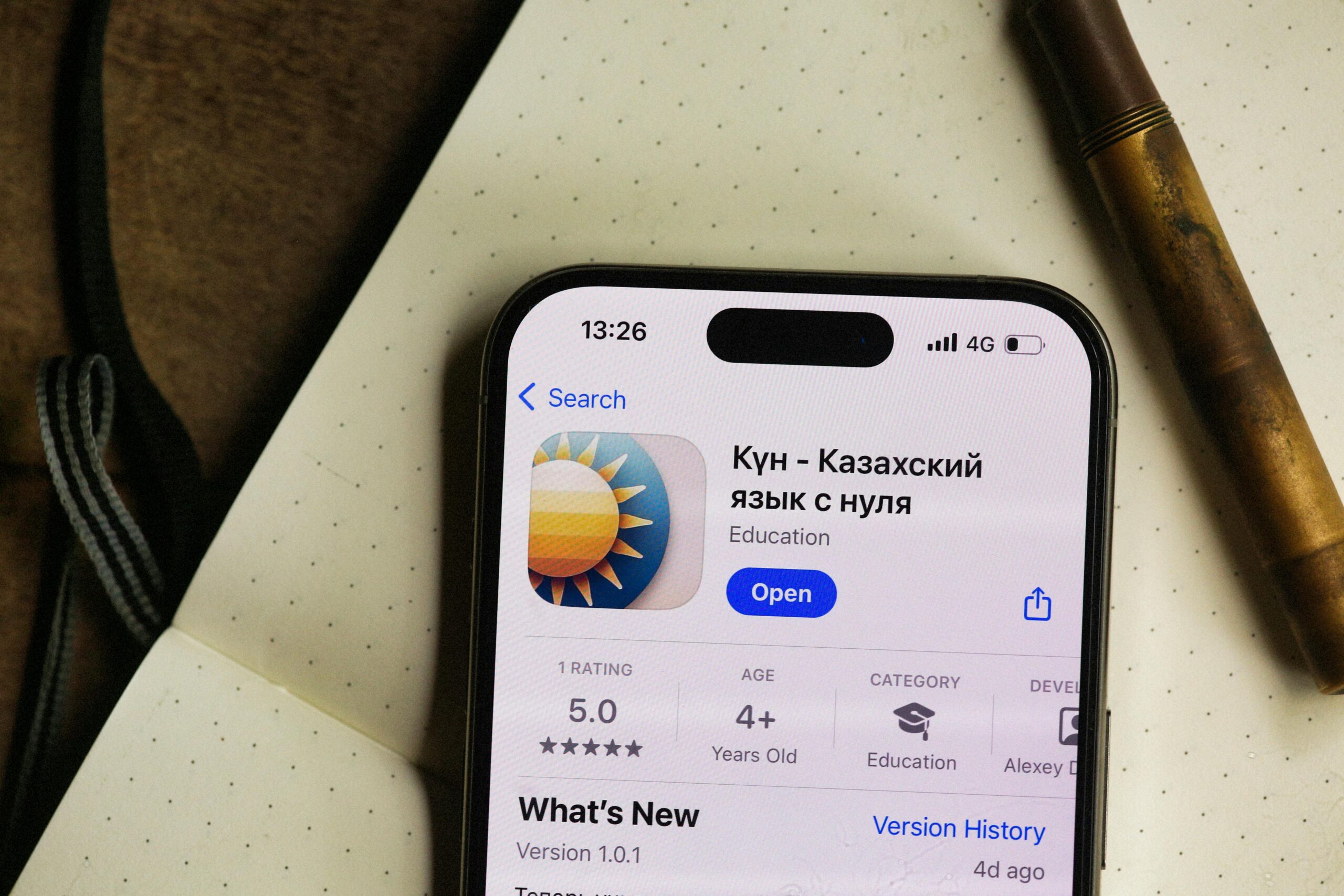
Today’s learners have powerful educational tools right in their pockets, enabling them to study languages, master new skills, or explore fascinating subjects during their commute, lunch break, or whenever inspiration strikes.
Whether you’re a student seeking academic support, a professional looking to advance your career, or simply a curious mind eager to explore new horizons, learning applications offer unprecedented opportunities.
These platforms combine engaging content, interactive exercises, and intelligent algorithms that adapt to your unique learning style, making education more effective and enjoyable than ever before.
📱 Why Learning Apps Are Revolutionizing Education
The traditional education system, while foundational, often struggles to accommodate different learning speeds, styles, and schedules. Learning applications address these limitations by offering personalized experiences that put the learner in control.
Modern learning apps leverage cutting-edge technology like artificial intelligence, gamification, and adaptive learning algorithms to create experiences that feel less like studying and more like engaging with content you genuinely enjoy. This psychological shift is crucial—when learning feels rewarding rather than burdensome, retention rates soar and motivation remains high.
The flexibility these applications provide cannot be overstated. Whether you have five minutes or five hours, you can make meaningful progress toward your learning goals. This microlearning approach fits seamlessly into busy modern lifestyles, eliminating the common excuse of “not having enough time” to pursue educational interests.
🎯 Personalization That Actually Works
One of the most compelling features of quality learning applications is their ability to adapt to individual users. Unlike traditional textbooks that present the same information to everyone, these apps analyze your performance, identify strengths and weaknesses, and adjust the content accordingly.
If you’re struggling with a particular concept, the app might provide additional practice exercises, alternative explanations, or supplementary resources. Conversely, if you’re excelling in certain areas, the system can accelerate your progress, preventing boredom and maintaining engagement.
This personalized approach ensures that learners aren’t held back by material they’ve already mastered nor overwhelmed by concepts they’re not ready for. It creates an optimal learning zone where challenge and capability are perfectly balanced.
🌍 Breaking Down Language Barriers and Geographic Limitations
Learning applications have democratized education in ways previously unimaginable. A student in a remote village can access the same quality educational content as someone in a metropolitan area. This geographic equality has profound implications for global education equity.
Language learning apps, in particular, have opened doors for millions of people worldwide. These platforms offer immersive experiences with native speakers, pronunciation guides, cultural context, and real-world conversation practice—all without requiring expensive travel or private tutors.
Beyond language acquisition, educational apps cover virtually every subject imaginable: mathematics, science, history, arts, coding, music, business skills, and countless specialized topics. This breadth ensures that whatever your learning objective, there’s likely an application designed specifically to help you achieve it.

💡 Accessibility Features That Include Everyone
Modern learning applications increasingly prioritize accessibility, ensuring that people with different abilities can participate fully in the educational experience. Text-to-speech functions help visually impaired users, while visual learning aids support those who struggle with text-based content.
Adjustable font sizes, color contrast options, and screen reader compatibility mean that more people than ever can access quality education regardless of physical limitations. This inclusive design philosophy represents a significant advancement over traditional educational materials.
🎮 Gamification: Making Learning Addictively Fun
Perhaps no innovation has transformed learning apps more dramatically than gamification. By incorporating game design elements—points, badges, leaderboards, streaks, and rewards—these applications tap into the same psychological mechanisms that make games so engaging.
When learners earn points for completing lessons or maintain daily streaks, their brains release dopamine, creating positive associations with the learning process. This neurochemical reward system encourages consistent engagement, turning educational progress into a genuinely enjoyable habit.
Competition, when implemented thoughtfully, also drives motivation. Leaderboards allow users to compare progress with friends or global participants, adding a social dimension that transforms solitary study into a community experience. However, the best apps balance competition with personal growth metrics, ensuring that learning remains the primary focus rather than just winning.
🏆 Progress Tracking and Goal Setting
Learning applications excel at visualizing progress in meaningful ways. Detailed statistics show how much time you’ve spent learning, how many lessons you’ve completed, and which areas need more attention. This data-driven approach provides clarity and direction that’s often missing from traditional learning methods.
Goal-setting features allow users to define specific objectives—whether that’s completing a course by a certain date, practicing for 20 minutes daily, or mastering a particular skill set. The app then breaks these larger goals into manageable daily tasks, making ambitious objectives feel achievable.
Regular reminders and notifications keep learning top-of-mind without becoming intrusive. These gentle nudges help establish consistent study habits, which research consistently shows is far more effective than irregular cramming sessions.
🧠 Cognitive Science Meets Technology
The most effective learning applications aren’t just technologically impressive—they’re grounded in solid educational psychology and cognitive science principles. Concepts like spaced repetition, active recall, and interleaving are baked into their design.
Spaced repetition, for instance, presents information at strategically timed intervals optimized for long-term retention. Rather than reviewing material constantly, the app introduces concepts just as you’re about to forget them, strengthening memory pathways efficiently.
Active recall—the practice of retrieving information from memory rather than passively reviewing it—is incorporated through quizzes, flashcards, and interactive exercises. This retrieval practice has been proven far more effective for retention than simple re-reading or highlighting.
📚 Multimodal Learning for Better Retention
Quality learning apps recognize that people absorb information differently. Some learners are visual, others auditory, and many benefit from kinesthetic or reading/writing approaches. The best applications incorporate multiple modalities within their lessons.
A single lesson might include video explanations, written text, audio pronunciations, interactive diagrams, and hands-on exercises. This variety not only accommodates different learning preferences but also reinforces concepts through multiple channels, significantly improving retention.
Video content, in particular, has proven extraordinarily effective for complex subjects. Seeing concepts demonstrated visually, hearing expert explanations, and having the ability to pause, rewind, and review creates a learning experience that surpasses static textbooks.
👥 Social Learning and Community Support
Learning doesn’t happen in isolation, and modern apps increasingly recognize the importance of community. Discussion forums, study groups, peer review systems, and social features transform solitary study into collaborative exploration.
When learners can ask questions, share insights, and help others, they deepen their own understanding. Teaching concepts to peers is one of the most effective learning strategies, and apps that facilitate this peer-to-peer education create powerful learning ecosystems.
Some applications connect users with tutors or native speakers for live practice sessions, adding a human element that purely automated learning can’t replicate. These interactions provide authentic communication experiences, cultural insights, and personalized feedback that accelerate learning.
🌟 Motivation Through Community
Seeing others succeed can be incredibly motivating. Learning apps often feature success stories, user testimonials, and progress showcases that inspire newcomers and remind struggling learners that persistence pays off.
Study challenges and group goals create accountability. When you’ve committed to a learning challenge with friends or community members, you’re more likely to follow through. This social accountability mechanism taps into our natural desire to honor commitments and maintain our reputation within communities we value.
💰 Cost-Effectiveness Compared to Traditional Education
The financial advantages of learning applications are substantial. While traditional courses, textbooks, and tutors can cost thousands of dollars, many high-quality learning apps offer extensive content for free or at minimal monthly subscription costs.
Even premium subscriptions typically cost less than a single traditional course while providing access to comprehensive curricula covering multiple subjects. This democratization of education means that financial constraints no longer need to be barriers to learning.
The return on investment extends beyond monetary savings. The time efficiency of learning apps—eliminating commutes to classes, allowing flexible scheduling, and enabling microlearning sessions—represents significant value for busy professionals and students.
🔄 Continuous Updates and Fresh Content
Unlike static textbooks that quickly become outdated, learning applications can update content continuously. As new information emerges, best practices evolve, or curriculum improvements are identified, apps can instantly reflect these changes.
This dynamic nature ensures learners always have access to current, relevant information. In rapidly changing fields like technology, business, or science, this advantage is particularly valuable.
User feedback also drives continuous improvement. When thousands of learners interact with content daily, apps can identify confusing lessons, ineffective exercises, or missing topics, then refine their offerings accordingly. This iterative improvement process creates increasingly effective educational experiences.
🚀 Building Lifelong Learning Habits
Perhaps the greatest benefit of learning applications extends beyond any specific skill or knowledge area—they cultivate the habit of lifelong learning itself. By making education accessible, enjoyable, and rewarding, these apps encourage users to remain curious and growth-oriented throughout their lives.
In our rapidly changing world, the ability to continuously acquire new skills isn’t just advantageous—it’s essential. Learning apps provide the tools and motivation to embrace continuous education as a lifestyle rather than viewing it as a temporary requirement.
The confidence gained from successfully mastering subjects through these applications often inspires learners to tackle increasingly ambitious goals. What begins as casual exploration of a new language or hobby can evolve into career-changing expertise or deeply fulfilling personal growth.
✨ Starting Your Learning Journey Today
The barrier to beginning your educational journey has never been lower. With learning applications, you don’t need to wait for semester starts, gather expensive materials, or commit to rigid schedules. You can begin immediately, proceed at your own pace, and adjust your path as your interests and goals evolve.
The key is simply to start. Download an app that aligns with something you’ve always wanted to learn, and commit to just a few minutes daily. Consistency matters far more than intensity, and even small daily efforts compound into remarkable long-term progress.
Whether you’re looking to advance professionally, connect with new cultures, explore creative pursuits, or simply exercise your mind, learning applications offer unprecedented opportunities. The tools are available, the content is waiting, and the perfect time to begin is now.
Education has been transformed from something that happens during specific life phases in particular locations to an ongoing, accessible, enjoyable pursuit available to anyone with a smartphone and curiosity. This revolution represents one of technology’s most profound contributions to human development, and its potential continues expanding with each innovation.
