
Anúncios
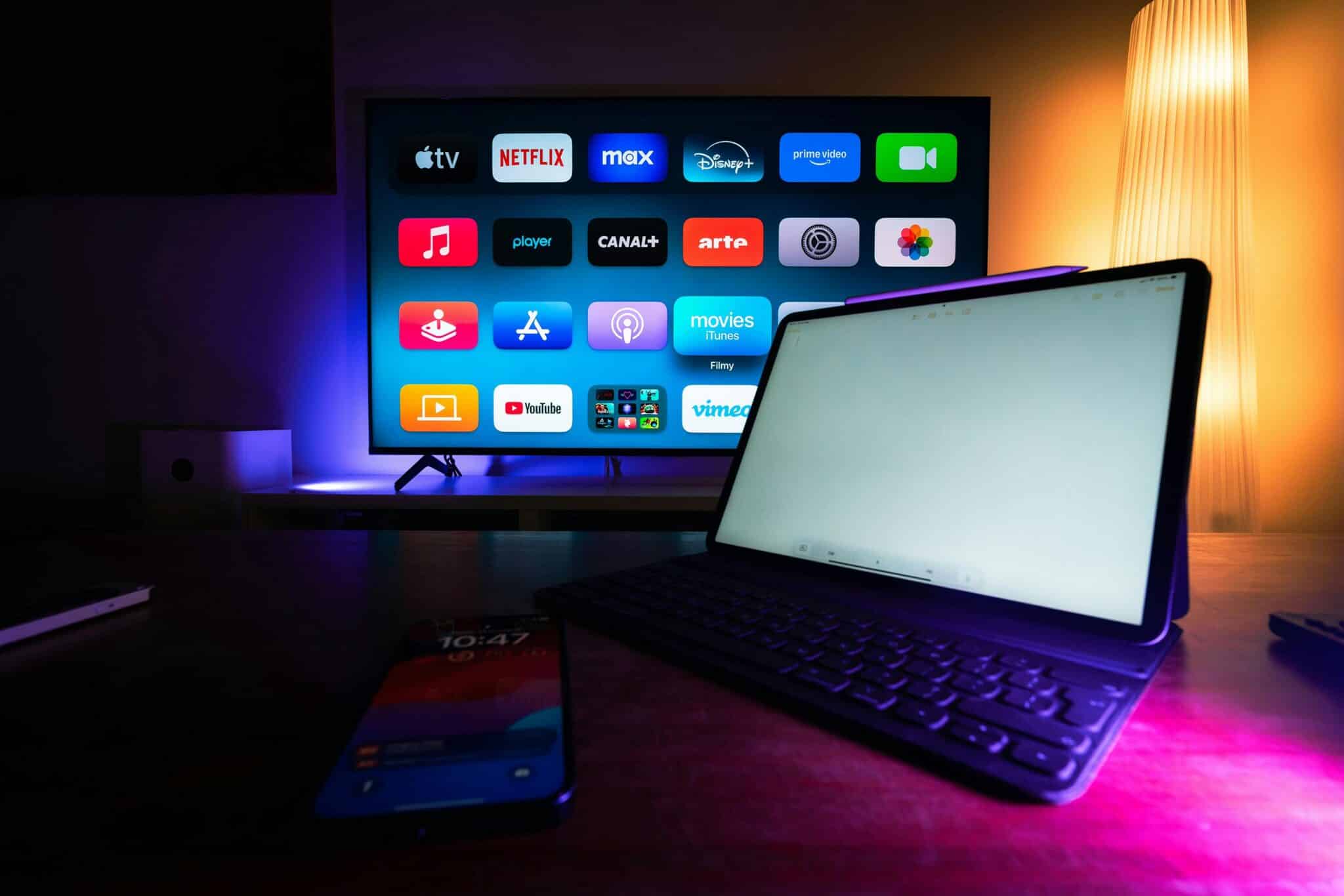
Streaming TV apps have revolutionized how we consume entertainment, offering incredible flexibility to watch your favorite shows, movies, and live broadcasts anytime, anywhere.


The days of being tied to a traditional TV schedule are long gone. Modern streaming applications have transformed smartphones, tablets, and smart TVs into powerful entertainment hubs, giving users unprecedented control over their viewing experience.
Whether you’re commuting to work, relaxing at home, or traveling abroad, these innovative apps ensure you never miss an episode of your favorite series or an important live event. Let’s explore everything you need to know about TV streaming applications and how they’re reshaping the entertainment landscape. 📱
Why TV Streaming Apps Have Become Essential
The shift from traditional cable TV to streaming platforms represents one of the most significant changes in media consumption over the past decade. Millions of people worldwide have cut the cord, embracing the freedom and flexibility that streaming apps provide.
This transformation isn’t just about convenience—it’s about personalization. Modern viewers want content tailored to their preferences, available on demand, without commercial interruptions or rigid programming schedules.
Streaming apps deliver exactly that experience. They’ve democratized entertainment, making premium content accessible to anyone with an internet connection and a compatible device.
The Financial Advantage of Streaming
Traditional cable packages often force subscribers to pay for hundreds of channels they never watch. Streaming apps, conversely, allow users to select specific services that match their interests and budget.
This à la carte approach means you only pay for what you actually use. Many platforms offer multiple subscription tiers, including ad-supported free versions, making quality entertainment accessible across various income levels.
The cost savings can be substantial. Many households have reduced their monthly entertainment expenses by 50% or more by switching from cable to a combination of streaming services.
Top Features That Define Quality Streaming Apps
Not all streaming applications are created equal. The best ones share several critical features that enhance user experience and ensure consistent performance. Understanding these features helps you make informed decisions about which apps deserve space on your device. 🎯
User Interface and Navigation
A well-designed interface makes discovering content effortless. The best streaming apps feature intuitive menus, robust search functions, and personalized recommendations based on your viewing history.
Visual design matters tremendously. Clean layouts with high-quality thumbnails, organized categories, and smooth transitions create an enjoyable browsing experience that doesn’t frustrate users.
Navigation should be logical and consistent across different devices. Whether you’re using a smartphone, tablet, or smart TV, the core functionality should remain familiar and easy to access.
Content Library Depth and Variety
The size and quality of a platform’s content library directly impacts its value proposition. Leading streaming services invest billions annually in acquiring and producing original content.
Variety matters as much as quantity. The best apps offer diverse genres—from blockbuster movies and acclaimed series to documentaries, sports, international programming, and children’s content.
Regular content updates keep the platform fresh and engaging. New releases, seasonal programming, and rotating catalogs give subscribers reasons to return frequently.
Streaming Quality and Technical Performance
Video quality can make or break the viewing experience. Premium streaming apps support HD, Full HD, and 4K resolution, with adaptive streaming that adjusts quality based on your internet connection speed.
Buffering is the enemy of enjoyment. Quality apps use advanced compression algorithms and content delivery networks to minimize loading times and interruptions.
Audio quality deserves equal attention. Support for surround sound formats like Dolby Atmos transforms compatible devices into cinema-like experiences.

Different Types of TV Streaming Applications
The streaming landscape includes various application types, each serving different entertainment needs. Understanding these categories helps you build a comprehensive streaming ecosystem tailored to your preferences.
Subscription Video on Demand (SVOD)
SVOD platforms like Netflix, Disney+, and HBO Max charge monthly fees for unlimited access to their content libraries. These services typically offer the most extensive catalogs and highest-quality original programming.
The subscription model eliminates advertisements, creating uninterrupted viewing experiences. Most platforms allow multiple simultaneous streams, making them ideal for families.
Original content has become the primary battleground for these services. Exclusive shows and movies drive subscriber acquisition and retention, leading to unprecedented investment in creative production.
Ad-Supported Free Streaming
Free streaming apps generate revenue through advertising rather than subscriptions. Platforms like Pluto TV, Tubi, and Freevee offer surprisingly robust content libraries without requiring payment.
These services typically show commercials during programming, similar to traditional television. However, ad loads are often lighter than broadcast TV, and you still enjoy on-demand flexibility.
Free streaming represents an excellent entry point for cord-cutters or budget-conscious viewers who want entertainment without monthly commitments. 💰
Live TV Streaming Services
Apps like YouTube TV, Hulu + Live TV, and Sling TV replicate the traditional cable experience through internet delivery. They offer live channels, DVR functionality, and on-demand content in unified packages.
These services appeal to sports fans and news enthusiasts who want real-time access to events and programming. Many include local broadcast channels alongside national networks.
While typically more expensive than standard SVOD services, live TV streaming still costs significantly less than traditional cable packages and offers greater flexibility.
Network-Specific Apps
Many networks and content creators offer standalone apps featuring their programming. NBC’s Peacock, Paramount+, and Discovery+ exemplify this approach.
These apps often include both classic catalog content and new episodes shortly after broadcast. Some require cable authentication, while others operate as independent subscription services.
Network apps work well for viewers with specific interests aligned with a particular content provider’s specialty—like sports, reality programming, or specific genres.
Choosing the Right Streaming Apps for Your Needs
With dozens of streaming services competing for attention, selecting the right combination requires thoughtful consideration of your entertainment preferences, budget, and viewing habits.
Assessing Your Content Preferences
Start by identifying what you actually watch. Are you primarily interested in movies, TV series, documentaries, sports, or children’s programming? Different platforms excel in different categories.
Make a list of specific shows or types of content you can’t live without. Research which platforms carry those titles, as content licensing creates significant differences between services.
Consider international content if you enjoy foreign films and series. Some platforms specialize in international programming, offering extensive subtitled and dubbed libraries.
Budget Considerations and Service Stacking
Determine your monthly entertainment budget before subscribing to multiple services. It’s easy to accumulate subscriptions that collectively exceed cable costs if you’re not careful.
Consider rotating subscriptions seasonally. Watch everything you want on one platform, cancel it, then subscribe to another service. This approach maximizes content access while minimizing costs.
Take advantage of bundle deals. Many providers offer discounted packages combining multiple services, and some mobile carriers include streaming subscriptions with phone plans. 📊
Technical Requirements and Device Compatibility
Verify that streaming apps support all devices you plan to use. Most major platforms work across smartphones, tablets, smart TVs, streaming sticks, and gaming consoles.
Check internet speed requirements. Reliable streaming—especially in HD or 4K—requires consistent bandwidth. Most services recommend at least 25 Mbps for optimal performance.
Consider data caps if your internet provider limits monthly usage. Streaming consumes significant data, particularly at higher quality settings. Unlimited plans provide peace of mind for heavy users.
Maximizing Your Streaming Experience
Installing apps is just the beginning. Optimizing settings, leveraging advanced features, and implementing smart viewing strategies enhance enjoyment and value.
Creating Profiles and Personalizing Recommendations
Most streaming platforms support multiple user profiles. Creating separate profiles for each household member ensures personalized recommendations and maintains individual watch histories.
Take time to rate content and utilize thumbs-up/down features. These inputs train recommendation algorithms to suggest content aligned with your specific tastes.
Explore curated collections and editorial picks. Platform curators often highlight hidden gems that algorithms might not surface based on viewing history alone.
Download Features for Offline Viewing
Many streaming apps allow downloading content for offline viewing—perfect for flights, commutes, or situations with limited connectivity. This feature transforms dead time into entertainment opportunities.
Download settings typically let you choose video quality, balancing file size against visual fidelity. Lower quality settings conserve device storage while higher settings maximize viewing pleasure.
Remember to manage downloaded content regularly. Automatically deleting watched downloads prevents storage issues and keeps your library fresh. ✈️
Parental Controls and Content Filtering
Families with children should configure parental controls immediately. Most platforms offer robust filtering options, PIN protection, and age-appropriate profiles.
Review maturity ratings and content warnings. Streaming services provide detailed information about potentially sensitive content, helping parents make informed decisions.
Kids’ profiles typically disable features like purchasing and restrict content to age-appropriate programming, creating safe entertainment environments for younger viewers.
Troubleshooting Common Streaming Issues
Even the best streaming apps occasionally encounter problems. Understanding common issues and solutions ensures minimal disruption to your viewing experience.
Buffering and Quality Problems
Persistent buffering usually indicates insufficient bandwidth. Test your internet speed and compare results against the streaming service’s recommendations.
Close unnecessary applications and devices using your network. Bandwidth-intensive activities like online gaming or video calls on other devices can impact streaming performance.
Consider wired connections for streaming devices when possible. Ethernet connections provide more stable, faster internet than Wi-Fi, particularly for 4K content.
App Crashes and Login Issues
Regular app updates fix bugs and improve performance. Enable automatic updates or manually check for new versions when experiencing problems.
Clearing cache and data often resolves persistent issues. This process varies by device but typically appears in app settings under storage or data management.
If login problems persist, verify account status, password accuracy, and subscription validity. Contact customer support if technical issues continue after basic troubleshooting.
The Future of TV Streaming Applications
Streaming technology continues evolving rapidly, with emerging trends promising even more immersive, personalized, and accessible entertainment experiences.
Interactive and Immersive Content
Interactive storytelling—where viewers make choices affecting narrative outcomes—represents an exciting frontier. Success stories like “Black Mirror: Bandersnatch” demonstrate the potential of this format.
Virtual reality integration may transform streaming from passive viewing to immersive experiences. Early VR content experiments suggest compelling possibilities for certain genres and applications.
Social viewing features enabling synchronized watching with friends, integrated chat, and shared reactions are becoming standard, recreating communal aspects of traditional television. 🚀
Artificial Intelligence and Personalization
AI-powered recommendations are becoming increasingly sophisticated, understanding nuanced preferences beyond simple genre classifications.
Automated content creation tools may eventually enable personalized edits, custom playlists, and even AI-generated supplementary content tailored to individual preferences.
Voice control and natural language interfaces are making content discovery more intuitive, reducing the frustration of finding something to watch among overwhelming options.
Consolidation and Integration Trends
The streaming landscape may consolidate as smaller services struggle to compete with well-funded giants. Expect continued mergers, acquisitions, and strategic partnerships.
Universal search and aggregation platforms that let you browse multiple services simultaneously are gaining traction, simplifying the fragmented streaming ecosystem.
Bundling strategies will likely expand, with more providers offering discounted multi-service packages that reduce subscription management complexity and cost.
Making the Most of Your Streaming Investment
Streaming apps represent incredible value when used strategically. By understanding the landscape, selecting appropriate services, and optimizing your setup, you can create a personalized entertainment ecosystem that exceeds traditional television in every meaningful way.
The flexibility to watch what you want, when you want, on any device has fundamentally changed our relationship with visual entertainment. These applications put unprecedented control in viewers’ hands, respecting our time and preferences in ways broadcast television never could.
As technology continues advancing and content libraries expand, streaming apps will only become more central to how we relax, learn, and connect with stories. Embracing this entertainment revolution opens doors to global content, diverse perspectives, and viewing experiences tailored precisely to your unique tastes and lifestyle. 🌟
