
Anúncios
The tape measure, commonly known as a trena, is an indispensable tool found in toolboxes, construction sites, and homes worldwide, revolutionizing how we measure distances with precision and ease.


Whether you’re a professional contractor, a DIY enthusiast, or someone hanging a picture frame, understanding the trena’s capabilities can dramatically improve your accuracy and efficiency. This versatile measuring device has evolved significantly from its humble beginnings into the sophisticated tool we rely on today.
From traditional retractable steel versions to modern digital and laser variants, the trena represents more than just a measuring instrument—it embodies precision, reliability, and innovation in practical problem-solving. Let’s explore everything you need to know about this essential tool. 📏
The Evolution of the Trena: From Ancient Measuring to Modern Precision
The concept of portable measuring devices dates back thousands of years, with ancient civilizations using ropes, chains, and marked sticks to determine distances. However, the modern retractable tape measure as we know it emerged in the mid-19th century, transforming construction and carpentry forever.
The first spring-loaded retractable tape measure was patented in 1868, revolutionizing how tradespeople worked. This innovation allowed for single-handed operation and compact storage, features that remain essential today. Over the decades, manufacturers have refined materials, mechanisms, and markings to create increasingly durable and accurate instruments.
Today’s trenas incorporate advanced features like magnetic hooks, multiple measurement systems, shock-resistant cases, and even digital displays. Some modern versions integrate laser technology, Bluetooth connectivity, and smartphone compatibility, bridging traditional craftsmanship with cutting-edge innovation.
Understanding Different Types of Trenas Available Today
The market offers various trena styles, each designed for specific applications and user preferences. Selecting the right type depends on your intended use, working environment, and accuracy requirements.
Traditional Retractable Steel Tape Measures ⚙️
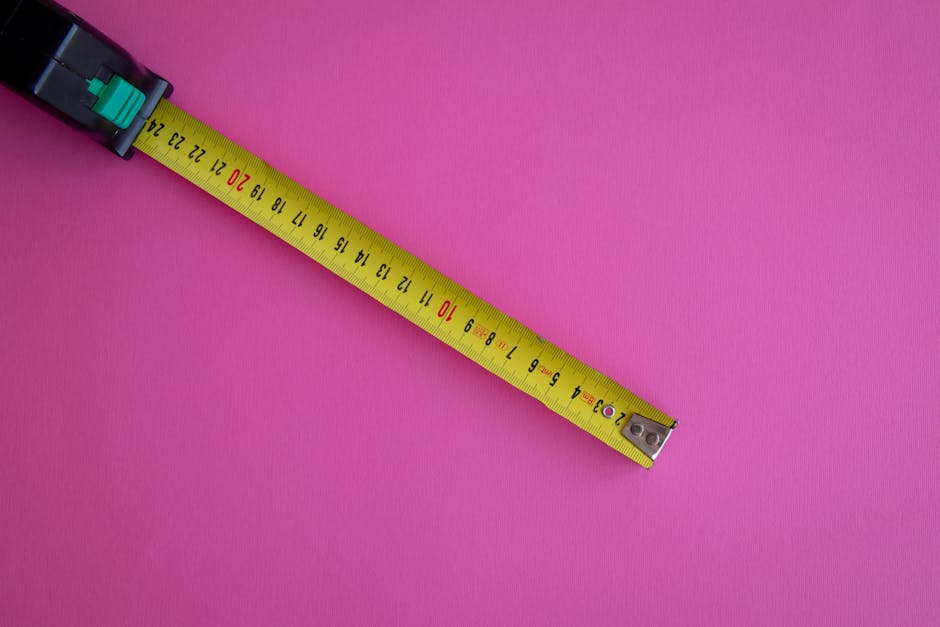
The most common type features a flexible steel blade housed in a compact case with a spring-loaded retraction mechanism. These workhorses offer excellent durability and can extend from 3 to 35 feet or more, depending on the model.
Professional-grade versions include reinforced blades with standout capabilities—the distance the blade can extend horizontally before bending. Quality models feature clear, easy-to-read markings in both imperial and metric systems, making them versatile for various projects.
Digital and Electronic Measuring Devices
Digital trenas display measurements on LCD screens, eliminating reading errors and providing instant unit conversions. Many models store measurements in memory, calculate areas and volumes, and connect to smartphones for data transfer and documentation.
These technological alternatives particularly benefit professionals who need to record multiple measurements quickly and accurately, such as real estate appraisers, interior designers, and estimators who prepare detailed project quotes.
Laser Distance Measurers 🔦
Laser-based trenas represent the pinnacle of measuring technology, using light beams to calculate distances with exceptional precision. They excel in measuring large spaces, inaccessible areas, and situations where physical contact isn’t possible or practical.
Advanced laser models offer features like Pythagorean calculations for indirect measurements, continuous measurement modes, and integration with architectural software. While more expensive than traditional options, they deliver unmatched speed and accuracy for professional applications.

Key Features That Define Quality Trenas
Not all measuring tapes are created equal. Several characteristics distinguish professional-grade tools from budget alternatives, affecting durability, accuracy, and user experience over time.
Blade Material and Coating
High-quality trenas use tempered steel blades with protective coatings that resist corrosion, abrasion, and fading. The blade thickness determines rigidity and standout capability—thicker blades extend farther without bending, enabling single-person measurements in many situations.
Premium coatings also enhance visibility in various lighting conditions and protect markings from wear. Some manufacturers apply special polymers that resist scratches from rough surfaces and reduce glare under bright lights or sunlight.
Hook Design and Functionality 🪝
The end hook plays a crucial role in measurement accuracy. Quality hooks feature a slight movement allowance that automatically compensates for the hook’s thickness when measuring internally versus externally—a detail many users overlook but professionals appreciate.
Magnetic hooks offer significant convenience when working with metal surfaces, providing hands-free operation and preventing the tape from retracting unexpectedly. Some models include double-sided hooks or additional grabbing features for challenging measurement scenarios.
Locking Mechanisms and Blade Control
Reliable blade locks maintain extended measurements without slippage, essential for accurate marking and cutting. The best mechanisms engage smoothly, hold securely, and release effortlessly without requiring excessive force or complicated manipulation.
Advanced designs incorporate automatic blade braking that prevents rapid, uncontrolled retraction—a safety feature that protects both the user and the tool from damage while extending the blade’s operational lifespan significantly.
How to Read and Interpret Trena Markings Accurately 🎯
Understanding measurement markings seems straightforward but requires attention to detail, especially when working with precision requirements or switching between measurement systems.
Standard imperial trenas divide inches into fractions—typically sixteenths, though professional models may show thirty-seconds or even sixty-fourths for ultra-precise work. Each marking length indicates its value, with longer lines representing larger fractions for quick visual reference.
Metric trenas display millimeters and centimeters, offering decimal-based simplicity that many find more intuitive for calculations. Some dual-scale models show both systems, though this can create visual clutter—selecting a primary system matching your project requirements typically provides clearer readings.
Reading accuracy improves significantly when you position your eye directly perpendicular to the measurement point, avoiding parallax errors that occur when viewing markings from an angle. Taking an extra moment for proper alignment ensures consistency across multiple measurements.
Essential Techniques for Accurate Measurements
Even the finest trena delivers poor results without proper technique. Mastering fundamental measuring practices transforms good intentions into precise outcomes, whether you’re building furniture or laying flooring.
Starting Point Considerations
Always verify your starting reference point before extending the tape. When measuring from corners or edges, ensure the hook seats firmly and squarely against the surface. For internal measurements, account for the case length if your trena includes this feature—many modern models display case dimensions for easy addition.
When precision matters most, consider using the 1-inch or 10-centimeter mark as your reference point instead of the hook, then subtracting this amount from your reading. This technique eliminates potential hook wear or damage as error sources.
Maintaining Proper Blade Tension
Keeping the blade taut prevents sagging that introduces measurement errors, especially over longer distances. For extended measurements, support the blade at intermediate points or use a helper to maintain tension consistently along the entire length.
Avoid excessive force that might stretch the blade or damage internal mechanisms. Quality trenas designed for their rated distance shouldn’t require unusual effort when properly maintained and operated within specifications.
Marking and Transferring Measurements ✏️
Use sharp pencils or appropriate markers for clear, precise marks at measurement points. When transferring measurements, double-check readings before marking—the traditional carpenter’s wisdom “measure twice, cut once” remains invaluable advice regardless of tool quality or user experience.
For critical dimensions, consider making light preliminary marks, verifying measurements again, then finalizing marks once confirmed. This extra step takes seconds but can prevent costly material waste and project delays from cutting errors.
Maintenance Tips to Extend Your Trena’s Lifespan
Proper care ensures your measuring tape delivers reliable service for years. Simple maintenance practices prevent common problems and preserve accuracy over countless measurements.
Keep the blade clean by periodically wiping it with a slightly damp cloth, removing accumulated dust, sawdust, and debris that can affect retraction smoothness and marking visibility. Avoid harsh chemicals that might damage protective coatings or fade printed measurements.
Store trenas in dry environments away from extreme temperatures that can affect spring tension and blade properties. Excessive moisture causes rust and corrosion, while extreme heat may warp plastic components or compromise adhesives in the case assembly.
Inspect the hook regularly for damage, wear, or looseness beyond the designed compensation movement. Replace hooks or entire tapes when wear compromises accuracy—attempting repairs often proves more frustrating than simply investing in a quality replacement.
Avoid allowing the blade to snap back forcefully into the case, as repeated impacts damage the internal mechanism and can create permanent kinks or bends in the blade. Gently control retraction to preserve both blade integrity and spring longevity. 🔧
Choosing the Right Trena for Your Specific Needs
Selecting an appropriate measuring tape depends on multiple factors beyond simple price comparison. Understanding your primary applications guides you toward features that enhance productivity rather than adding unnecessary complexity or cost.
Length Considerations
For general household use and small projects, a 16 to 25-foot tape provides adequate reach without excessive bulk. Construction professionals typically prefer 25 to 35-foot models that handle room dimensions and outdoor measurements comfortably.
Specialized applications like surveying, large-scale construction, or civil engineering may require 50, 100, or even 300-foot tapes, though these longer versions sacrifice portability and standout capability for extended reach.
Width and Standout Performance
Blade width directly affects rigidity and standout distance. Standard ¾-inch blades work well for most purposes, while 1-inch or wider professional models extend farther horizontally, enabling single-person measurements up to 10 feet or more without sagging.
Consider your typical working conditions—solo projects benefit significantly from superior standout, while team environments may prioritize other features like durability or special coatings over extended reach capabilities.
Special Features Worth Considering 💡
Magnetic hooks prove invaluable when working with metal studs, pipes, or machinery. Illuminated displays help in low-light conditions. Fractional markings benefit woodworkers requiring precise joinery, while decimal-inch scales suit metalworkers and machinists.
Nylon-coated blades resist wear in abrasive environments. Rubberized cases provide better grip and impact protection. Belt clips and attachment points prevent losing tools at job sites. Evaluate which features address your actual needs versus marketing hype.
Common Mistakes to Avoid When Using Trenas
Even experienced users occasionally fall into measurement traps that compromise accuracy. Awareness of these common errors helps maintain precision across all projects.
Failing to account for the hook thickness when switching between inside and outside measurements creates small but cumulative errors. Remember that quality hooks are designed to move slightly—this isn’t defect but intentional compensation for different measurement scenarios.
Reading measurements from angles rather than directly perpendicular introduces parallax errors that increase with distance. Always position yourself directly in line with the measurement point for accurate readings.
Neglecting to verify zero-point alignment before measuring causes systematic errors across all readings. Periodically check that the hook remains properly aligned and that wear hasn’t affected the starting reference point.
Using damaged or worn tapes compromises accuracy regardless of technique quality. Replace tools showing significant wear, permanent kinks, faded markings, or malfunctioning mechanisms rather than struggling with unreliable equipment. ⚠️
Digital and Smart Trena Technology: The Future of Measuring
Modern technology continues transforming traditional measuring tools, offering capabilities that seemed futuristic just years ago. Understanding these innovations helps you leverage new possibilities in your projects.
Smartphone-connected trenas automatically transfer measurements to apps for documentation, calculation, and sharing. This integration streamlines workflows for contractors, designers, and estimators who previously recorded measurements manually, introducing transcription errors and delays.
Augmented reality features overlay measurements onto smartphone camera views, helping visualize dimensions in context before making purchase or installation decisions. Some apps calculate materials needed based on room dimensions, reducing waste and ensuring adequate supplies.
Cloud synchronization allows team members to access measurements remotely, facilitating collaboration across multiple job sites or between field and office personnel. Version control tracks measurement histories, valuable for complex projects with evolving requirements and specifications.
Safety Considerations When Operating Measuring Tapes 🦺
Though measuring tapes appear harmless compared to power tools, improper use can cause injuries. Following basic safety practices protects you and extends tool life.
Never allow the blade to retract uncontrolled—the sharp edges and rapid speed can cause cuts, especially when the blade whips around unexpectedly. Always guide retraction with your hand, maintaining control throughout the process.
Wear eye protection when working in dusty environments or when the blade might snap back unexpectedly. Metal blades under tension store significant energy that releases suddenly if the hook detaches or the blade breaks.
Avoid using damaged tapes with kinked, cracked, or separated blades that might fail during extension or cause cuts during retraction. Inspect tools regularly and retire those showing signs of structural compromise.
When measuring near electrical systems, use non-conductive fiberglass tapes rather than metal blades that can conduct electricity if they contact live circuits—a critical safety consideration for electricians and maintenance personnel.
Professional Applications Across Different Industries
Various trades and professions rely on trenas as fundamental tools, though specific requirements vary significantly based on industry demands and precision standards.
Construction and Carpentry 🔨
Builders and carpenters depend on durable, accurate tapes for framing, finish work, and everything between. They typically prefer wider blades with excellent standout, magnetic hooks, and clear markings that remain legible despite job site conditions.
Interior Design and Space Planning
Designers measure rooms, furniture placement, and clearances to create functional, aesthetically pleasing spaces. Laser measurers with calculation features streamline this process, while traditional tapes remain useful for detailed furniture and fixture dimensions.
Real Estate and Property Assessment
Appraisers and agents measure property dimensions for listings, valuations, and compliance verification. Digital tools with documentation capabilities prove especially valuable for recording multiple properties efficiently and accurately. 🏠
Manufacturing and Quality Control
Precision manufacturing requires measurement tools calibrated to exacting standards. Metal tapes with decimal-inch or metric markings suit these applications, though dedicated metrology instruments often supplement basic tapes for critical dimensions.
Maximizing Value: Investment Versus Expense
Quality measuring tapes range from budget-friendly basic models to premium professional tools commanding significant prices. Understanding this spectrum helps you invest appropriately for your circumstances.
Occasional users find perfectly adequate performance from mid-range consumer models offering decent durability and accuracy without professional-grade features or prices. These tools handle typical household projects, occasional crafts, and light construction work reliably.
Professionals who use measuring tapes daily benefit significantly from premium tools engineered for durability, accuracy, and ergonomics. The incremental cost becomes insignificant when divided across years of reliable service and enhanced productivity.
Consider total cost of ownership rather than initial price alone. Inexpensive tools requiring frequent replacement ultimately cost more than quality options maintained properly over extended periods. Calculate your expected usage to determine appropriate investment levels.
Embracing Precision in Every Measurement Experience
The humble trena represents far more than simple distance measurement—it embodies the human pursuit of precision, our desire to understand and shape the physical world with accuracy and confidence. Whether you’re a seasoned professional or weekend DIY enthusiast, mastering this essential tool opens doors to countless creative and practical possibilities.
From traditional steel tapes that have served craftspeople for generations to cutting-edge digital and laser technologies pushing measurement boundaries, the evolution continues. Modern innovations enhance rather than replace fundamental skills—understanding proper technique, maintaining equipment carefully, and appreciating craftsmanship quality that transcends mere specifications.
As you select, use, and care for your measuring tools, remember that precision begins with preparation and attention to detail. The measurements you take today become the foundation for tomorrow’s accomplishments, whether constructing buildings, creating furniture, or simply hanging pictures that transform houses into homes. ✨
Invest in quality tools appropriate for your needs, develop proper techniques through practice, and maintain your equipment with care. These simple commitments ensure that when precision matters most—and it always does—your trena delivers the reliable accuracy your projects deserve.
