
Anúncios
Movies are more than just entertainment—they’re windows into worlds we’ve never seen, emotions we’ve never felt, and stories that stay with us forever.


Since the Lumière brothers first projected moving images onto a screen in 1895, cinema has evolved into one of humanity’s most powerful art forms. From silent black-and-white films to today’s stunning CGI spectacles, movies have consistently pushed the boundaries of storytelling and technology.
Whether you’re a casual viewer who enjoys a good popcorn flick or a dedicated cinephile who analyzes every frame, there’s something universally captivating about the movie-watching experience. Let’s explore what makes films so special and how they continue to shape our culture, inspire our dreams, and connect us across generations.
🎬 The Evolution of Cinema: From Silent Films to Streaming Era
The history of movies is a testament to human creativity and technological innovation. In the early 1900s, silent films relied entirely on visual storytelling, forcing directors to master the art of expression through body language, lighting, and composition. Charlie Chaplin and Buster Keaton became legends without speaking a single word on screen.
The introduction of synchronized sound in 1927 with “The Jazz Singer” revolutionized the industry overnight. Suddenly, actors needed different skills, and dialogue became central to storytelling. The Golden Age of Hollywood emerged in the 1930s and 1940s, giving us timeless classics like “Casablanca,” “Gone with the Wind,” and “Citizen Kane.”
Color film technology brought another dimension to cinema in the 1950s and 1960s. Directors could now paint with light in ways previously impossible, creating visually stunning epics that filled massive theater screens. This era also saw the rise of international cinema, with Italian neorealism, French New Wave, and Japanese masters like Akira Kurosawa gaining worldwide recognition.
The blockbuster era began in the 1970s with films like “Jaws” and “Star Wars,” changing how movies were marketed and consumed. Special effects became increasingly sophisticated, and franchise filmmaking became a dominant force in the industry.
The Digital Revolution and Modern Cinema
The transition from film to digital cameras in the 2000s democratized filmmaking. Suddenly, talented creators could produce professional-quality content without access to expensive film stock and processing labs. This shift coincided with the rise of independent cinema and diverse voices entering the conversation.
Streaming platforms have now fundamentally altered how we discover and watch movies. The theatrical experience, once the only way to see new releases, now competes with living room convenience. This change has sparked intense debate about the future of cinema, but it’s also made films more accessible than ever before.
🎭 The Art of Storytelling Through Film
At its core, every great movie tells a compelling story. But what separates a forgettable film from one that becomes a cultural touchstone? The answer lies in how filmmakers use the unique tools of their medium to create emotional resonance and memorable experiences.
Cinematography—the art of capturing images—communicates mood, tone, and meaning without a single word. A low-angle shot can make a character seem powerful or threatening, while soft lighting might convey romance or nostalgia. Directors like Roger Deakins and Emmanuel Lubezki have elevated cinematography to pure visual poetry.
Sound design and music work together to create atmosphere and emotional impact. John Williams’ iconic scores have become inseparable from the films they accompany. The tense silence in a horror movie can be more terrifying than any monster. Every auditory choice contributes to the viewer’s experience.
Character Development and Performance
Memorable characters drive the most enduring films. Whether it’s Vito Corleone’s quiet menace, Ellen Ripley’s determined survival, or Forrest Gump’s innocent wisdom, characters who feel authentic create lasting connections with audiences.
Great performances require actors to fully inhabit their roles, bringing nuance and depth that transforms written words into living, breathing people. Daniel Day-Lewis famously stays in character throughout entire productions, while others like Meryl Streep master accents and mannerisms with chameleon-like precision.

🌟 Genre Diversity: Something for Every Mood
The beauty of cinema lies in its variety. No matter your taste or current mood, there’s a film waiting to match it perfectly. Understanding different genres helps us appreciate the unique conventions and expectations each brings to storytelling.
Drama films explore the human condition in all its complexity. They tackle serious themes like love, loss, ambition, and morality. From “The Godfather” to “Moonlight,” dramas often win critical acclaim for their depth and emotional authenticity.
Action movies deliver adrenaline-pumping sequences, spectacular stunts, and high-stakes conflicts. The best action films, like “Mad Max: Fury Road” or “Die Hard,” combine thrilling set pieces with strong characters and clever plotting.
Comedy ranges from slapstick to sophisticated wit, offering laughter as both entertainment and social commentary. Films like “Groundhog Day” and “The Grand Budapest Hotel” prove comedy can be both hilarious and artistically ambitious.
Horror: Exploring Our Deepest Fears
Horror movies tap into primal fears, creating cathartic experiences that let us confront darkness in a safe environment. Whether it’s the psychological terror of “The Shining” or the visceral scares of “The Exorcist,” horror remains one of cinema’s most consistently popular genres.
Modern horror has expanded beyond simple scares to include social commentary, as seen in Jordan Peele’s “Get Out” and “Us.” These films use genre conventions to explore real-world issues, proving horror can be both entertaining and intellectually stimulating.
Science Fiction and Fantasy: Imagining New Worlds
Science fiction asks “what if?” and explores possibilities beyond our current reality. From the dystopian warnings of “Blade Runner” to the optimistic exploration of “Star Trek,” sci-fi uses futuristic settings to examine contemporary issues and human nature.
Fantasy transports us to entirely imagined realms where magic exists and ancient prophecies unfold. The “Lord of the Rings” trilogy demonstrated that fantasy could achieve both commercial success and critical respect, paving the way for more ambitious adaptations.
🎥 The Filmmaking Process: From Script to Screen
Creating a movie requires hundreds of talented individuals working in harmony toward a shared vision. Understanding this process deepens appreciation for the final product we see in theaters.
Everything begins with the screenplay, the blueprint that outlines story, dialogue, and action. Screenwriters craft narratives that balance character development, plot progression, and thematic depth—all while adhering to the visual nature of the medium.
Pre-production involves extensive planning before cameras roll. Directors create shot lists and storyboards, production designers build or scout locations, and casting directors find the perfect actors for each role. This phase determines much of what appears on screen.
During principal photography, the actual filming occurs. Days can be long and demanding, with numerous takes required to capture each scene perfectly. Directors work closely with cinematographers to realize their visual vision while guiding actors through performances.
Post-Production Magic
Editing is where films truly take shape. Editors sift through hours of footage, selecting the best takes and assembling them into a coherent narrative. Pacing, rhythm, and emotional impact are all determined in the editing room. As they say, films are written three times: on the page, during shooting, and in the edit.
Visual effects artists add elements impossible or impractical to capture during filming. Modern VFX can create entire worlds, as seen in films like “Avatar” or the Marvel Cinematic Universe entries. When done well, effects enhance storytelling rather than overshadowing it.
Color grading gives films their distinctive look, while sound mixing ensures dialogue clarity and creates immersive audio environments. Every technical element serves the story and contributes to the overall viewing experience.
🌍 Global Cinema: Stories from Every Corner of the World
Hollywood dominates mainstream consciousness, but incredible films come from every nation. Exploring international cinema opens doors to different storytelling traditions, cultural perspectives, and artistic approaches.
South Korean cinema has experienced a global renaissance, with directors like Bong Joon-ho winning international acclaim. “Parasite” made history as the first non-English language film to win Best Picture at the Academy Awards, proving audiences worldwide respond to powerful storytelling regardless of language barriers.
Bollywood produces more films annually than any other industry, creating vibrant musical spectacles that blend drama, romance, and dance. These films reflect Indian culture and values while entertaining massive audiences across the globe.
European cinema often favors character studies and philosophical themes over plot-driven narratives. French, Italian, and Scandinavian films have influenced filmmakers worldwide with their innovative approaches to structure and visual style.
Animation Breaks All Boundaries
Animated films aren’t just for children—they’re a sophisticated art form capable of tackling any subject matter. Studios like Pixar have mastered the art of creating films that entertain kids while offering deeper themes for adults. “Inside Out” explores mental health, while “WALL-E” comments on consumerism and environmental destruction.
Japanese anime has cultivated passionate fandom worldwide. Hayao Miyazaki’s films with Studio Ghibli combine stunning hand-drawn animation with stories exploring environmentalism, feminism, and personal growth. “Spirited Away” won the Academy Award for Best Animated Feature, introducing Western audiences to anime’s artistic potential.
📱 The Impact of Technology on Movie Watching
How we watch movies has transformed dramatically in recent years. The theatrical experience, with its massive screens and immersive sound systems, offers something streaming can’t replicate—a communal experience where strangers share emotional reactions in real-time.
Yet streaming services have made film discovery easier than ever. Algorithms suggest titles based on viewing history, and entire catalogs of classic and contemporary films sit at our fingertips. This accessibility has created more knowledgeable audiences who reference obscure films as easily as blockbusters.
The COVID-19 pandemic accelerated streaming adoption, with major studios releasing new films simultaneously in theaters and homes. This hybrid model may become permanent, giving viewers choice while challenging traditional distribution models.
Social Media and Movie Culture
Film discussion has moved online, with dedicated communities analyzing every frame, debating interpretations, and creating memes that spread globally. Twitter reactions during premieres, YouTube video essays, and Reddit discussions have transformed movie-watching from passive consumption to active engagement.
This connectivity allows fans to connect with filmmakers directly and participate in ongoing conversations about representation, artistic choices, and industry trends. For better or worse, audience feedback now influences creative decisions more than ever before.
🏆 Awards Season and Critical Recognition
Award ceremonies like the Oscars, Golden Globes, and Cannes Film Festival generate significant attention each year. While these accolades don’t necessarily determine quality, they influence which films receive wider distribution and cultural preservation.
Critics play an important role in film culture, offering informed perspectives that help audiences navigate countless options. Aggregator sites like Rotten Tomatoes have democratized criticism, though they sometimes reduce nuanced reviews to simple scores.
Ultimately, personal taste matters most. A film that wins every award might leave you cold, while a box office flop might become your favorite. The subjective nature of art means there’s no single “correct” opinion about any movie.
💭 Why Movies Matter in Our Lives
Films serve purposes beyond entertainment. They preserve cultural moments, document history, and pass stories between generations. Future viewers will understand our era partly through the movies we create today.
Movies build empathy by letting us experience life through different perspectives. A well-crafted film can make us feel what it’s like to live in another time, place, or circumstance—expanding our understanding of human diversity and shared experiences.
They inspire us to dream bigger, pursue passions, and believe in possibilities. Countless people have been moved to action after watching films that spoke to their deepest values and aspirations. Cinema’s power to motivate real-world change shouldn’t be underestimated.
In moments of stress or sadness, movies offer comfort and escape. They remind us we’re not alone in our struggles and that others have faced similar challenges. The right film at the right time can provide perspective, hope, or simply a few hours of respite.
🎬 The Future of Cinema: What’s Next?
Virtual reality and augmented reality technologies promise to revolutionize storytelling by making viewers active participants rather than passive observers. Imagine stepping inside a film’s world and exploring it from any angle you choose.
Artificial intelligence is beginning to influence filmmaking, from script analysis to de-aging effects. While some fear AI might replace human creativity, most experts believe technology will serve as a tool that enhances rather than replaces artistic vision.
Diverse voices are finally gaining platforms to tell their stories. Films from underrepresented communities are achieving commercial and critical success, proving audiences hunger for fresh perspectives and authentic representations of different experiences.
Environmental concerns are pushing productions toward sustainable practices. Studios are reducing waste, using renewable energy, and considering ecological impact—changes that may seem small but represent important shifts in industry consciousness.
🌟 Creating Your Personal Film Journey
Building a deeper appreciation for movies starts with intentional viewing. Instead of scrolling endlessly through options, choose films purposefully. Explore different eras, genres, and international cinema to broaden your cinematic vocabulary.
Read about filmmaking techniques to understand how directors create specific effects. Watching behind-the-scenes content reveals the artistry and labor behind every shot, deepening appreciation for what appears on screen.
Discuss films with friends or join online communities dedicated to cinema. Hearing different interpretations opens your mind to meanings you might have missed and enhances the social aspect of movie-watching.
Consider revisiting films after time has passed. Your perspective changes with life experience, and movies that didn’t resonate before might speak profoundly to you at different life stages. Great films reveal new layers with each viewing.
🎭 The Timeless Magic of Cinema
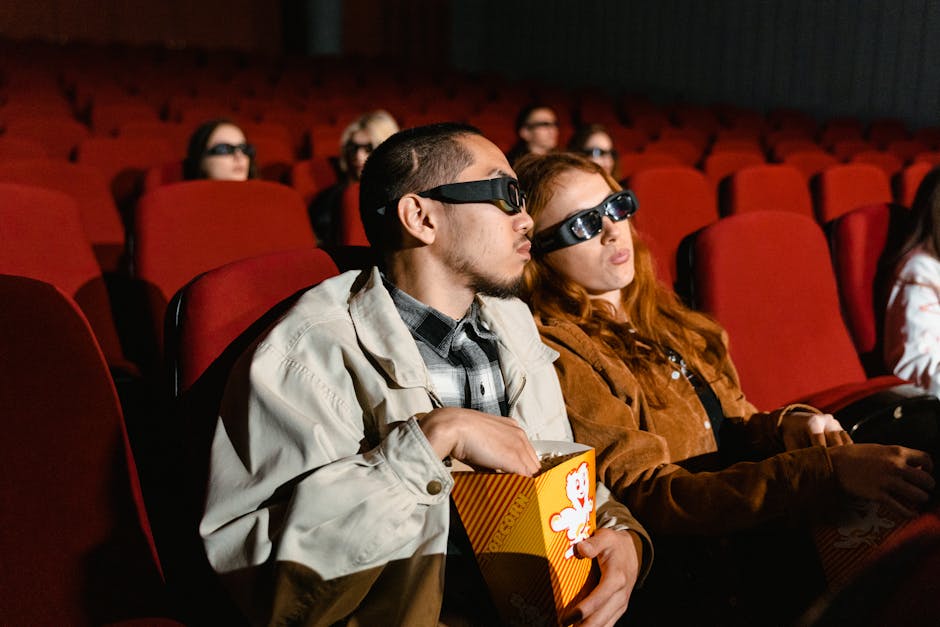
Despite technological changes and evolving distribution models, the fundamental appeal of movies remains constant. We gather in darkness to watch light and shadow tell stories that make us laugh, cry, think, and feel.
Movies remind us of our shared humanity while celebrating our differences. They challenge us to question assumptions, consider new perspectives, and imagine alternative realities. The best films stay with us long after credits roll, influencing how we see the world.
Whether you prefer quiet character studies or explosive action spectacles, romantic comedies or psychological thrillers, there’s a vast universe of films waiting to be discovered. Each viewing experience offers the potential for connection, insight, or pure joy.
Cinema continues evolving, but its core mission remains unchanged: to tell stories that matter, to capture the human experience in all its complexity, and to transport us to places we’ve never been. As long as people crave stories, movies will endure as one of our most powerful and beloved art forms—a universal language that speaks directly to the heart. 🎥✨
