
Anúncios
Films have the power to transport us to different worlds, evoke deep emotions, and connect us with stories that resonate with our own experiences.


Since the Lumière brothers first projected moving images onto a screen in 1895, cinema has evolved into one of the most influential art forms of our time. What started as a simple curiosity has blossomed into a billion-dollar industry that shapes culture, influences politics, and captures the human experience in ways no other medium can.
Whether you’re watching a heartwarming drama, an edge-of-your-seat thriller, or an epic science fiction adventure, films offer us a unique escape from reality while simultaneously helping us understand it better. They serve as mirrors reflecting society’s values, fears, and aspirations across different eras and cultures.
🎬 The Evolution of Filmmaking Through the Decades
The journey of cinema from silent black-and-white pictures to today’s high-definition spectacles is nothing short of remarkable. Early films relied entirely on visual storytelling, with actors using exaggerated expressions and movements to convey emotion without dialogue.
The introduction of sound in the late 1920s revolutionized the industry completely. “The Jazz Singer” in 1927 marked the beginning of the “talkies” era, fundamentally changing how stories were told on screen. Suddenly, dialogue, music, and sound effects became integral components of the cinematic experience.
Color film brought another dimension to storytelling. While color technology existed earlier, it wasn’t until the 1950s that it became standard practice. Films like “The Wizard of Oz” used the transition from black-and-white to color as a powerful narrative device that still captivates audiences today.
The digital revolution of the 21st century has transformed filmmaking yet again. Computer-generated imagery (CGI) has made the impossible possible, allowing filmmakers to create entire worlds, creatures, and effects that would have been unimaginable just decades ago. Movies like “Avatar” and the Marvel Cinematic Universe showcase the stunning possibilities of modern technology.
🎭 Why Films Matter in Our Cultural Landscape
Films do more than entertain—they educate, inspire, and challenge us to think differently. Historical dramas bring past events to life, making history accessible and engaging for audiences who might never pick up a textbook. Documentaries expose social issues and injustices, often catalyzing real-world change.
Cinema also serves as a powerful tool for empathy. When we watch characters navigate challenges, experience loss, or celebrate victories, we develop emotional connections that transcend our own lived experiences. A well-crafted film can help us understand perspectives vastly different from our own.
The cultural impact of certain films cannot be overstated. Movies like “Star Wars” created entire fandoms and influenced generations of filmmakers. Social commentaries like “12 Angry Men” or “To Kill a Mockingbird” sparked important conversations about justice and prejudice that continue today.
Films as Time Capsules 📽️
Every film is a snapshot of the era in which it was made. The fashions, language, social attitudes, and technology depicted in films provide invaluable insights into how people lived and thought during different periods. Watching films from the 1940s, 1970s, or 1990s is like opening a time capsule.
This historical value makes film preservation critically important. Organizations worldwide work to restore and protect classic films so future generations can experience these cultural artifacts. Many early silent films have been lost forever, reminding us of the importance of safeguarding our cinematic heritage.

🌟 The Art and Craft of Filmmaking
Creating a film is an extraordinarily complex collaborative process involving hundreds or even thousands of talented individuals. From the initial script to the final cut, every aspect requires careful attention and artistic vision.
The director serves as the creative captain, guiding the overall vision and making countless decisions that shape the final product. But they work alongside cinematographers who craft each shot’s visual composition, editors who determine pacing and rhythm, and production designers who create the physical and visual world of the film.
Actors breathe life into characters, transforming words on a page into memorable performances that can make us laugh, cry, or sit on the edge of our seats. The best performances feel effortless, but they result from intense preparation, emotional vulnerability, and technical skill.
The Unsung Heroes Behind the Camera 🎥
While actors and directors often receive the spotlight, countless other professionals contribute their expertise to filmmaking. Sound designers create immersive audio landscapes that enhance every scene. Costume designers use clothing to communicate character traits and historical context without a single word of dialogue.
Composers craft musical scores that can elevate a good scene to greatness. Think of the iconic themes from “Jaws,” “Indiana Jones,” or “The Godfather”—these melodies are instantly recognizable and inseparable from the films themselves.
Visual effects artists, stunt coordinators, makeup artists, and set decorators all play crucial roles in bringing a director’s vision to reality. Modern filmmaking is truly a collaborative art form where every department’s contribution matters.
🎪 Different Genres for Every Taste
The beauty of cinema lies in its diversity. No matter what mood you’re in or what interests you have, there’s a genre of film designed to satisfy that particular craving.
Action films deliver adrenaline-pumping sequences and spectacular stunts that leave audiences breathless. From car chases to martial arts battles, these movies showcase human physicality and courage in extreme situations.
Romantic comedies offer lighter fare, exploring the complexities and joys of human relationships with humor and heart. These films provide comfort and escapism, often featuring characters we root for to find their happy ending.
Horror films tap into our primal fears, creating suspense and terror in controlled environments where we can experience fear safely. The best horror movies linger in our minds long after the credits roll, making us question that shadow in the corner or that noise in the night.
Science Fiction and Fantasy: Expanding Our Imagination ✨
Science fiction and fantasy genres push the boundaries of what’s possible, exploring hypothetical futures, alternate realities, and magical worlds. These films often use fantastical elements to comment on contemporary issues, examining questions about technology, society, and human nature.
Films like “Blade Runner” pose philosophical questions about consciousness and what it means to be human. Fantasy epics like “The Lord of the Rings” trilogy transport us to entirely different worlds with their own histories, languages, and cultures.
Documentaries: Truth Stranger Than Fiction 📚
Documentary films deserve special mention for their commitment to capturing reality. Whether exploring nature, investigating social issues, or profiling fascinating individuals, documentaries educate and enlighten while often being as compelling as any fictional narrative.
The documentary format has evolved significantly, incorporating dramatic reenactments, innovative filming techniques, and narrative structures borrowed from fiction films. Series-format documentaries on streaming platforms have made this genre more accessible and popular than ever before.
🏆 The Global Film Industry and Its Economic Impact
The film industry generates hundreds of billions of dollars annually and employs millions of people worldwide. Major film productions can inject significant money into local economies through employment, tourism, and infrastructure development.
While Hollywood remains the most recognizable film industry globally, vibrant film cultures exist worldwide. Bollywood in India produces more films annually than any other country. Nollywood in Nigeria has become the second-largest film industry by volume, creating thousands of movies each year.
European cinema, particularly from France, Italy, and the United Kingdom, has long been celebrated for artistic innovation and sophisticated storytelling. Asian cinema from countries like South Korea, Japan, and China has gained international recognition, with films like “Parasite” winning major awards and breaking box office records.
The Streaming Revolution 📱
The way we consume films has changed dramatically in recent years. Streaming platforms have disrupted traditional theatrical distribution models, making vast libraries of content available instantly from the comfort of home.
This shift accelerated dramatically during the global pandemic when theaters closed and audiences turned to streaming services for entertainment. Major studios began releasing films simultaneously in theaters and on streaming platforms, a practice that would have been unthinkable just years earlier.
While some worry about the future of theatrical experiences, others argue that streaming has democratized film access, allowing independent filmmakers to reach global audiences without traditional gatekeepers. The debate about the best distribution model continues to evolve.
🎓 Learning and Growing Through Cinema
Films serve as powerful educational tools that can complement traditional learning methods. Historical films make past events tangible and memorable. Biographical movies introduce viewers to influential figures and their contributions to society.
Many educators incorporate films into their curricula to illustrate concepts, spark discussions, and engage students in new ways. A well-chosen film can make abstract ideas concrete and stimulate critical thinking about complex topics.
Beyond formal education, films teach valuable life lessons. They model problem-solving, demonstrate consequences of choices, and explore moral dilemmas. Children’s films especially often contain important messages about friendship, perseverance, and kindness.
🌈 Representation and Diversity in Modern Cinema
Conversations about representation in film have gained significant momentum in recent years. Audiences increasingly demand to see diverse stories told by diverse voices, reflecting the actual complexity and variety of human experience.
Progress has been made, with more films featuring protagonists from various backgrounds, cultures, genders, and identities. Movies like “Black Panther,” “Crazy Rich Asians,” and “Moonlight” achieved both critical acclaim and commercial success, demonstrating that diverse stories resonate with broad audiences.
However, challenges remain. The industry continues working toward equitable representation both on-screen and behind the camera. Initiatives supporting women directors, filmmakers of color, and LGBTQ+ storytellers are helping create a more inclusive cinematic landscape.
🔮 The Future of Films and Cinema
As technology continues advancing, the possibilities for filmmaking expand exponentially. Virtual reality and augmented reality technologies promise immersive experiences that could revolutionize how we engage with stories. Imagine stepping inside a film rather than simply watching it.
Artificial intelligence is beginning to play roles in various aspects of film production, from script analysis to visual effects. While some worry about AI replacing human creativity, others see it as a tool that can handle technical tasks, freeing artists to focus on storytelling.
The theatrical experience itself is evolving. Premium formats like IMAX and 4DX offer enhanced viewing experiences with better sound, larger screens, and even physical effects like moving seats. These innovations aim to provide something streaming at home cannot replicate.
Environmental sustainability is becoming an important consideration in film production. Studios are implementing greener practices, reducing waste, and considering their carbon footprint. The industry recognizes its responsibility to model environmentally conscious behavior.
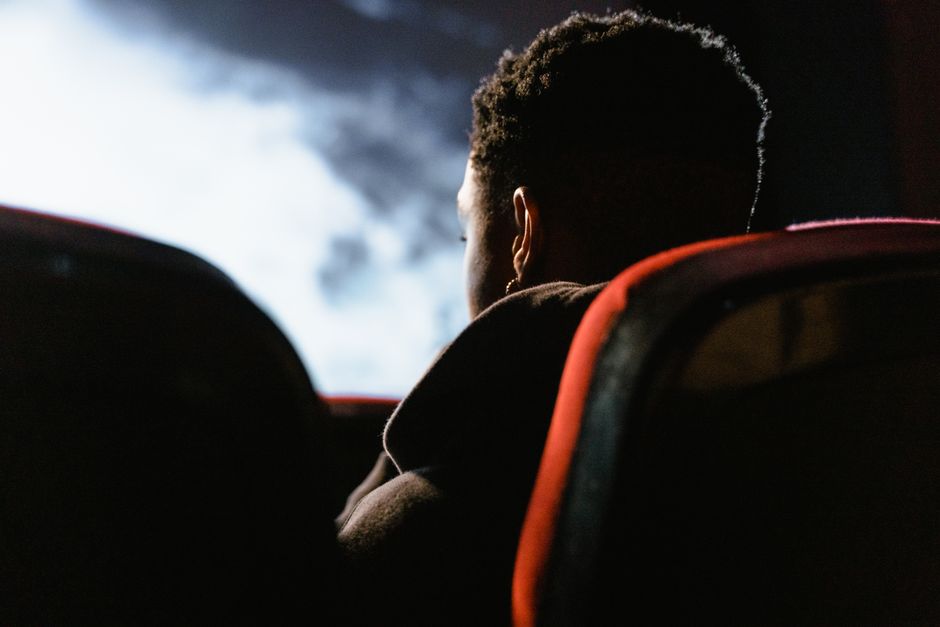
💡 Why We’ll Always Need Stories on Screen
Despite all the changes and innovations, the fundamental appeal of films remains constant. Humans are storytelling creatures who have gathered to share tales since the beginning of civilization. Cinema is simply the latest evolution of this ancient tradition.
Films help us process emotions, understand our world, and connect with others. They provide shared cultural experiences that bring communities together. Remember discussing a shocking plot twist with friends or quoting memorable lines that everyone recognizes?
In times of hardship, films offer comfort and escape. During celebrations, they enhance our joy. They mark milestones in our lives, with certain movies forever associated with specific memories and periods.
The magic of cinema lies in its ability to make us feel deeply, think critically, and dream boldly. Whether watching alone or with others, films create moments of connection—with characters, with stories, and ultimately with ourselves.
As technology evolves and distribution methods change, the core mission of filmmaking remains the same: to tell compelling stories that resonate with audiences. The medium may transform, but our hunger for meaningful narratives will endure. Films will continue inspiring, challenging, and entertaining us for generations to come, adapting to new technologies while honoring the timeless art of storytelling that makes cinema truly special.
