
Anúncios
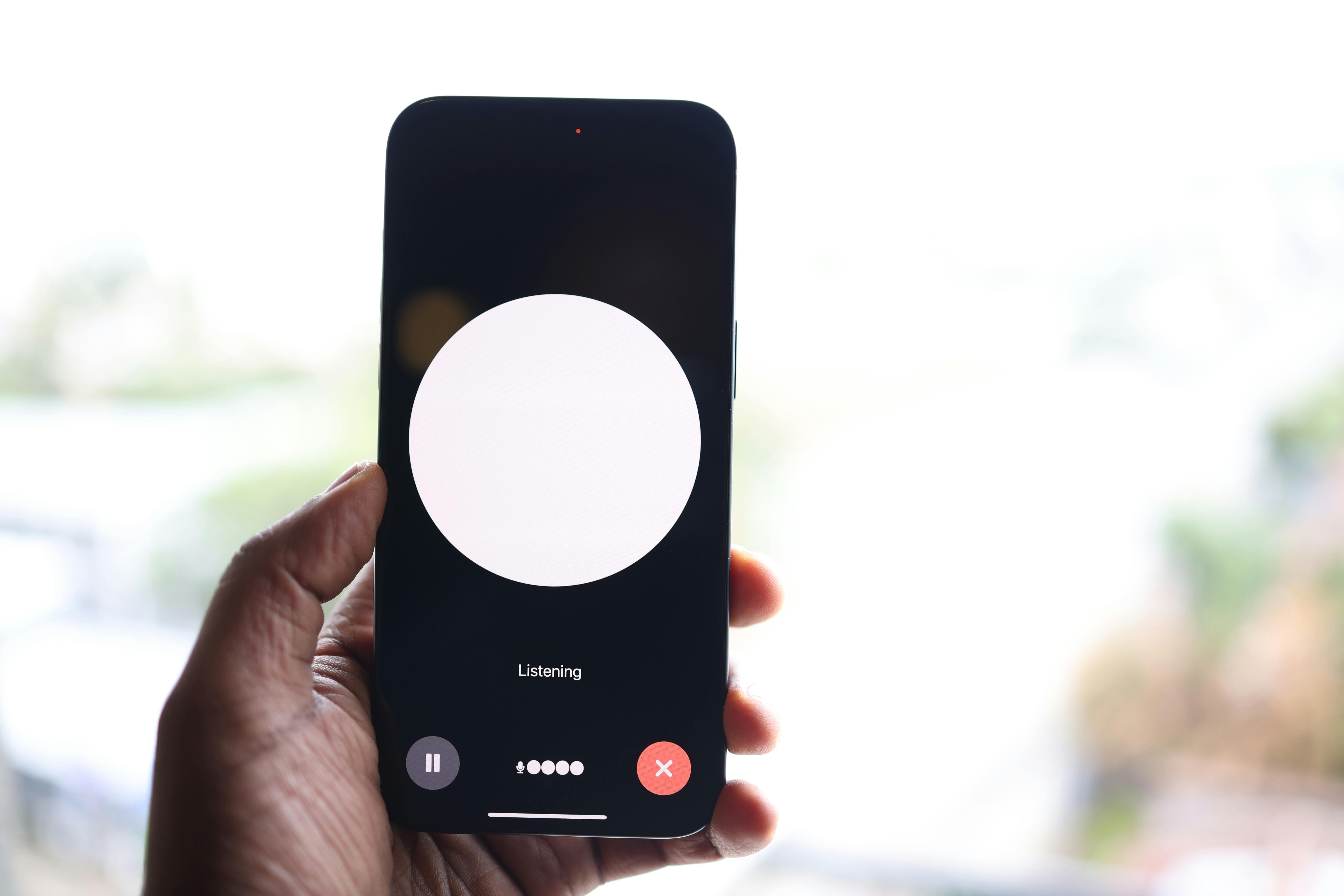
Unlocking your phone’s virtual assistant for free opens up a world of hands-free convenience, smart automation, and seamless voice control right at your fingertips.


Virtual assistants have transformed how we interact with our smartphones.
From setting reminders and sending messages to controlling smart home devices and searching the web, these AI-powered helpers have become essential companions in our daily lives.
However, many users don’t realize that unlocking the full potential of these assistants doesn’t always require premium subscriptions or expensive apps.
Whether you’re using an Android device or an iPhone, there are numerous applications and methods available that can help you activate, customize, and enhance your virtual assistant experience completely free of charge.
Understanding which apps to use and how to maximize their capabilities can significantly improve your productivity and make your smartphone truly work for you.
🤖 Understanding Virtual Assistants and Their Capabilities
Virtual assistants are sophisticated software programs designed to perform tasks and services based on voice commands or text input. The most popular ones include Google Assistant, Siri, Amazon Alexa, and Samsung Bixby. Each comes with unique features and integration capabilities that cater to different user needs.
Google Assistant excels at search queries and integrates seamlessly with Google’s ecosystem of services. Siri offers deep integration with Apple devices and services, making it ideal for users within the Apple ecosystem. These assistants can handle everything from basic commands like setting alarms to complex tasks like managing your calendar and providing personalized recommendations.
The beauty of modern virtual assistants lies in their adaptability. They learn from your usage patterns, understand context, and become more helpful over time. Many third-party applications have emerged to enhance these capabilities, offering additional customization options, extended command libraries, and improved voice recognition accuracy.
📱 Best Free Apps to Unlock Virtual Assistant Features
Several applications stand out when it comes to unlocking and enhancing your virtual assistant experience. These tools work alongside your phone’s native assistant or provide alternative solutions with unique features that might better suit your needs.
Google Assistant Enhancement Apps
For Android users, Google Assistant comes pre-installed on most devices, but certain apps can unlock hidden features and provide additional customization options. Apps like “Assistant Commands” allow you to discover hundreds of voice commands you might not know existed, expanding your assistant’s usefulness exponentially.
“Tasker” is another powerful application that, while having a learning curve, enables you to create custom automation routines that work with Google Assistant. You can set up complex scenarios where speaking a simple phrase triggers multiple actions across different apps and services.
Siri Shortcuts and Automation Tools
iPhone users can dramatically enhance Siri’s capabilities through the native Shortcuts app, which is completely free and developed by Apple. This powerful tool allows you to create custom voice commands that execute multi-step tasks, effectively turning Siri into a personalized automation powerhouse.
Third-party apps like “Shortcuts Gallery” provide pre-made shortcut recipes that you can download and customize. These range from simple conveniences like texting your ETA to complex workflows that integrate multiple apps and services.
Cross-Platform Virtual Assistant Alternatives
Apps like “Robin” and “Extreme – Personal Voice Assistant” offer alternative virtual assistant experiences that work across different platforms. These applications often provide features that native assistants might lack, such as more conversational interactions or specialized capabilities for driving, fitness tracking, or language learning.

🔧 Step-by-Step Guide to Activating Your Virtual Assistant
Activating and optimizing your virtual assistant doesn’t require technical expertise. Following these straightforward steps will have your AI helper up and running in minutes, ready to respond to your commands and make your daily routine more efficient.
Enabling Google Assistant on Android Devices
Start by navigating to your phone’s Settings menu and selecting “Google” or “Google Services.” Look for the “Search, Assistant & Voice” option, then tap on “Google Assistant.” Here you’ll find the option to enable the assistant if it’s not already active.
Once enabled, teach your assistant to recognize your voice by completing the Voice Match setup. This allows you to activate the assistant hands-free by saying “Hey Google” or “OK Google.” The voice training process takes just a few minutes and significantly improves recognition accuracy.
Customize your assistant’s behavior by exploring the settings menu. You can adjust which information appears on your lock screen, which services the assistant can access, and how it responds to various commands. Don’t forget to link your preferred music service, calendar, and other apps for seamless integration.
Setting Up Siri on iOS Devices
iPhone users should navigate to Settings, then select “Siri & Search.” Toggle on “Listen for ‘Hey Siri'” to enable voice activation, and complete the setup process by repeating several phrases so Siri learns your voice patterns.
Enable “Press Side Button for Siri” if you want the option to activate your assistant manually. This provides a quick alternative when voice activation isn’t convenient. You can also enable “Allow Siri When Locked” to access your assistant without unlocking your phone, though consider the security implications.
Explore Siri’s capabilities by asking “What can you do?” This prompts the assistant to display categories of commands and actions it can perform. Regularly checking this list helps you discover new features as Apple continuously updates Siri’s capabilities.
💡 Creative Ways to Use Your Virtual Assistant Daily
Maximizing your virtual assistant’s value comes from integrating it into your daily routines. Beyond basic commands, there are creative applications that can transform how you manage time, stay informed, and accomplish tasks throughout your day.
Morning Routine Automation
Create a morning routine command that triggers multiple actions with a single phrase. Your assistant can read the weather forecast, summarize calendar events, provide traffic updates for your commute, and even start playing your favorite morning playlist—all initiated by saying “Good morning” to your device.
Set up location-based reminders that trigger when you leave home or arrive at work. This ensures you never forget important items or tasks tied to specific places. Your assistant can remind you to grab your gym bag when leaving home or to check in with a colleague when you arrive at the office.
Productivity Enhancement Techniques
Use voice commands to quickly capture ideas, set reminders, and add tasks to your to-do list without interrupting your workflow. This hands-free approach maintains your focus while ensuring important thoughts aren’t lost.
Command your assistant to send messages, make calls, or share information with contacts while your hands are busy. This proves especially valuable during cooking, driving, or when working on projects that require your full attention.
Entertainment and Information Access
Ask your assistant to play specific songs, podcasts, or radio stations across compatible apps. Voice control for entertainment has become incredibly sophisticated, understanding natural language requests like “play something upbeat” or “find podcasts about technology.”
Request news briefings, weather updates, sports scores, or answers to random questions throughout the day. Virtual assistants excel at quickly retrieving information, making them perfect for settling debates, checking facts, or satisfying curiosity on the fly.
🛡️ Privacy Considerations and Security Settings
While virtual assistants offer tremendous convenience, understanding privacy implications and properly configuring security settings protects your personal information. Being proactive about these considerations ensures you enjoy benefits without compromising sensitive data.
Managing Voice Recording Storage
Most virtual assistants record and store voice commands to improve accuracy and functionality. Review your assistant’s privacy settings to understand what’s being saved. Both Google and Apple provide options to review and delete voice recordings through their respective privacy dashboards.
Consider setting up automatic deletion schedules for voice recordings if you’re privacy-conscious. Google Assistant allows you to automatically delete recordings after three months, eighteen months, or keep them until you manually remove them. Choose the option that balances convenience with privacy comfort.
Limiting Lock Screen Access
Decide what information your assistant can access and display when your phone is locked. While it’s convenient to check messages or calendar events without unlocking your device, this potentially exposes sensitive information to anyone within view of your screen.
Configure your settings to require authentication for sensitive actions like sending messages, accessing financial apps, or making purchases. This adds a security layer while maintaining quick access to less sensitive functions like weather checks or music control.
🚀 Advanced Features and Hidden Capabilities
Beyond basic commands, virtual assistants harbor advanced capabilities that many users never discover. Exploring these features transforms your assistant from a simple voice interface into a powerful automation and productivity tool.
Multi-Language Support and Translation
Modern virtual assistants support multiple languages and can even act as real-time translators. You can speak in one language and have your assistant translate to another, incredibly useful when traveling or communicating with non-native speakers.
Set up bilingual mode on Google Assistant to seamlessly switch between two languages without changing settings. The assistant automatically detects which language you’re speaking and responds accordingly, perfect for multilingual households or professionals working in international contexts.
Smart Home Integration
Connect compatible smart home devices to control lights, thermostats, security cameras, and appliances using voice commands. Even without purchasing expensive smart devices, many virtual assistants can interface with budget-friendly alternatives available in the market.
Create routines that control multiple devices simultaneously. A single command like “movie time” can dim the lights, close smart blinds, turn on your TV, and adjust the thermostat—all without touching a single switch or remote control.
Continued Conversation and Follow-Up Questions
Enable continued conversation mode so your assistant remains active for follow-up questions without requiring you to repeat the wake word. This creates more natural interactions, especially when researching topics or planning complex tasks that require multiple queries.
Use contextual understanding to reference previous queries. After asking about weather, you can follow up with “How about tomorrow?” and your assistant understands you’re still discussing weather without needing to repeat the entire question.
🔄 Troubleshooting Common Virtual Assistant Issues
Even the most sophisticated virtual assistants occasionally encounter problems. Understanding common issues and their solutions ensures you maintain a smooth, frustration-free experience with your AI helper.
Voice Recognition Problems
If your assistant struggles to understand commands, retrain the voice model by accessing settings and repeating the voice match process. Environmental factors like background noise, microphone obstructions, or speaking too quickly can affect recognition accuracy.
Check your microphone permissions in app settings to ensure your virtual assistant has proper access. Sometimes system updates or app installations inadvertently change permissions, preventing your assistant from hearing commands properly.
Connectivity and Response Delays
Virtual assistants require internet connectivity to process most commands. If you’re experiencing slow responses or failures, verify your Wi-Fi or mobile data connection. Switching between networks or restarting your router often resolves connectivity-related issues.
Clear your assistant app’s cache through your phone’s settings if responses become consistently sluggish. Accumulated data sometimes slows processing, and clearing the cache provides a fresh start without losing your personalized settings.
Integration Issues with Third-Party Apps
When your assistant can’t control certain apps or services, check that those apps have granted necessary permissions and are linked within your assistant’s settings. Reconnecting accounts or updating apps to their latest versions typically resolves integration problems.
Some third-party apps require specific voice command formats. Consult the app’s documentation or support resources to learn proper command syntax. Commands that work with one service might need slight modifications for others.
🌟 Maximizing Battery Life While Using Virtual Assistants
Virtual assistants, particularly those with always-listening voice activation, can impact battery performance. Implementing smart strategies ensures you enjoy assistant benefits without constantly searching for a charger.
Disable always-on voice detection if you primarily use your assistant through button activation or don’t need instant hands-free access. This single change can significantly extend battery life while keeping full functionality available when you manually trigger the assistant.
Limit which apps can interact with your virtual assistant. Each integration requires background processes that consume battery power. Review connected services and disconnect those you rarely use, keeping only the most valuable integrations active.
Use battery optimization settings built into modern operating systems. These features intelligently manage background processes, including virtual assistant functions, balancing availability with power consumption based on your usage patterns.
📊 Comparing Virtual Assistant Platforms
Understanding differences between major virtual assistant platforms helps you choose the right option or optimize the one already available on your device. Each platform offers distinct advantages depending on your needs and existing technology ecosystem.
Google Assistant leads in search capabilities and knowledge queries, leveraging Google’s vast information database. It excels at answering questions, providing detailed information, and integrating with Google services like Gmail, Calendar, and Maps.
Siri offers unmatched integration within the Apple ecosystem, seamlessly working across iPhones, iPads, Macs, and HomePods. Its strength lies in device control, app shortcuts, and maintaining privacy with on-device processing for many commands.
Samsung’s Bixby provides deep device control specifically for Samsung products, offering capabilities that extend beyond what other assistants can do on Samsung hardware. It excels at complex device settings adjustments and multi-step routines.

✨ Future Developments in Virtual Assistant Technology
Virtual assistant technology continues evolving rapidly, with artificial intelligence advances promising even more natural interactions and powerful capabilities. Staying informed about emerging trends helps you anticipate new features and prepare for the next generation of AI helpers.
Emotional intelligence represents a significant development frontier, with assistants learning to recognize user emotions through voice tone and adjust responses accordingly. This creates more empathetic interactions that feel less robotic and more genuinely helpful.
Proactive assistance will become increasingly sophisticated, with AI predicting needs before you voice them. Imagine your assistant automatically suggesting route changes when traffic develops, reordering supplies before they run out, or recommending relevant information based on your schedule and interests.
Cross-platform compatibility improvements will break down current ecosystem barriers, allowing seamless assistant experiences regardless of device brand. This interoperability will enable true assistant continuity as you move between phones, computers, cars, and smart home devices.
Unlocking your virtual assistant’s full potential doesn’t require expensive subscriptions or technical expertise—just the right apps, proper configuration, and creative thinking about how AI can simplify your daily life. By implementing the strategies and tools discussed here, you’ll transform your smartphone into an incredibly capable personal assistant that responds to your voice, anticipates your needs, and seamlessly integrates with your digital world. Start exploring these free options today and discover just how much more your phone can do for you! 🎯
