
Anúncios
Radio continues to thrive in the digital age, and listening to FM and AM stations on your smartphone has never been easier or more convenient.


Whether you’re commuting to work, exercising at the gym, or relaxing at home, your mobile device can serve as a powerful radio receiver. The technology has evolved significantly, bringing traditional radio broadcasting into the palm of your hand with crystal-clear sound quality and remarkable accessibility.
From news and talk shows to music and sports commentary, radio remains one of the most immediate and intimate forms of media. Modern smartphones offer multiple ways to access your favorite AM and FM stations, combining the nostalgia of traditional radio with cutting-edge mobile technology.
📻 Understanding Radio Technology on Mobile Devices
Many people don’t realize that numerous smartphones actually contain built-in FM radio chips. These hardware components are capable of receiving traditional FM broadcasts without using your mobile data. However, manufacturers don’t always activate this functionality, and the availability varies significantly between different phone models and regions.
The FM chip in your phone works similarly to traditional radio receivers. It captures electromagnetic waves transmitted by radio stations and converts them into audio signals. When this feature is enabled, you can listen to local FM stations with minimal battery consumption and without depleting your data allowance.
AM radio operates on a different frequency band and is less commonly supported through built-in chips. However, streaming technology has made both AM and FM stations universally accessible through internet connections, regardless of your phone’s hardware capabilities.
🎧 Methods to Access Radio Stations on Your Phone
Using Built-in FM Radio Features
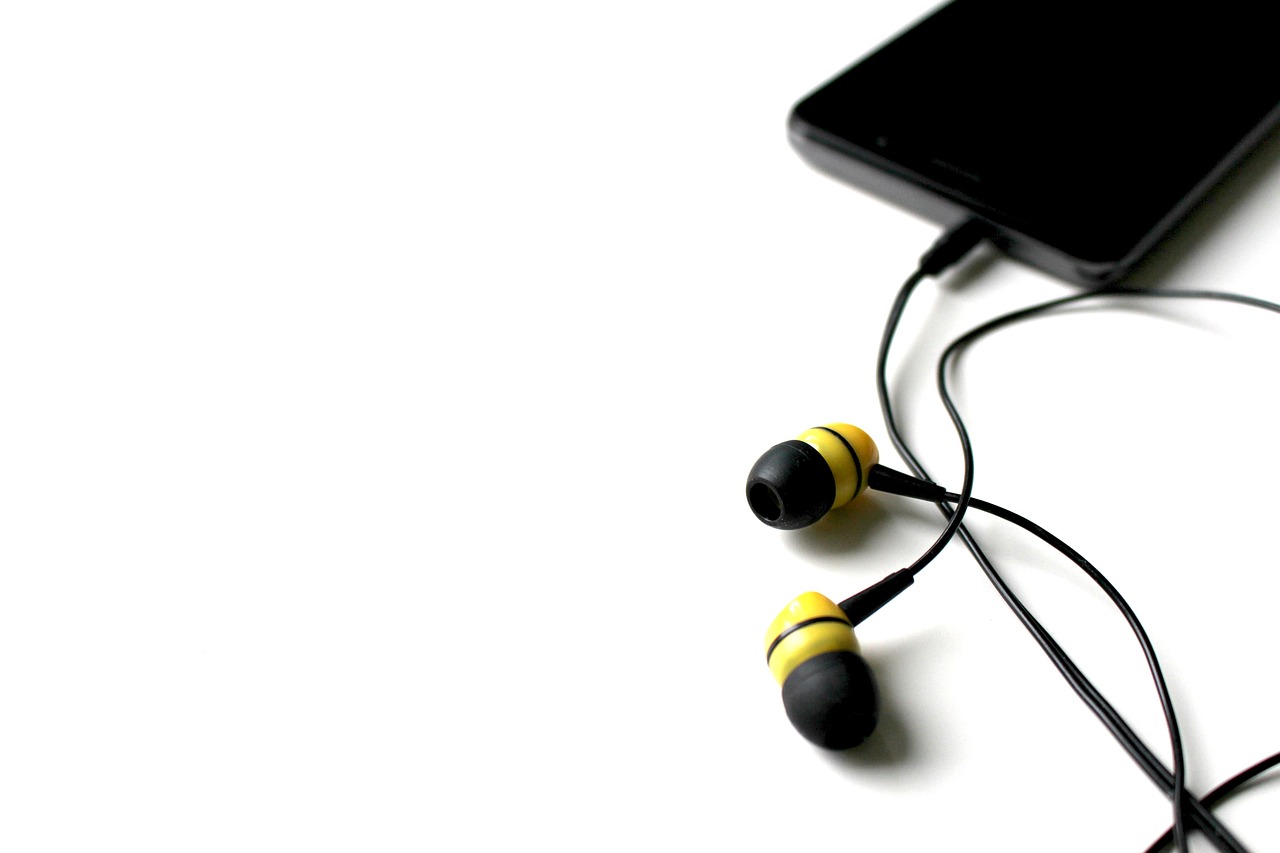
If your smartphone has an activated FM chip, you’ll typically find a pre-installed radio app in your applications menu. These native apps usually require you to plug in headphones, which serve as an antenna to improve reception quality. The headphone cable acts as a physical receiver, capturing radio signals more effectively than the phone’s internal components alone.
To use this feature, simply connect your earphones, open the radio app, and scan for available stations. You’ll be able to browse local FM channels, save your favorites, and enjoy live broadcasts without internet connectivity. This method is particularly useful in areas with limited mobile data coverage or when you want to preserve your data plan.
Streaming Through Dedicated Radio Apps
Radio streaming applications have revolutionized how we access radio content. These apps connect to internet-based streams of radio stations from around the world, offering unprecedented variety and flexibility. You’re no longer limited to local broadcasts—you can tune into stations from different cities, states, or even countries.
Quality streaming apps provide intuitive interfaces with search functions, genre categories, and personalized recommendations. They often include features like recording capabilities, sleep timers, alarm clock functions, and the ability to rewind live broadcasts. Many apps also display song information, artist details, and album artwork as you listen.

Browser-Based Radio Access
Many radio stations maintain official websites with integrated streaming players. You can simply navigate to a station’s website using your mobile browser and click the “Listen Live” button. This method doesn’t require downloading additional apps, making it ideal for occasional listeners or when you want to access a specific station without committing storage space.
However, browser-based listening typically consumes more battery power and may offer fewer features compared to dedicated applications. The user experience might also be less optimized for mobile devices, with potential interface challenges on smaller screens.
🌟 Benefits of Mobile Radio Listening
Listening to radio on your smartphone offers numerous advantages that traditional radio receivers simply can’t match. The portability factor alone is transformative—your phone goes everywhere with you, meaning your favorite stations are always accessible regardless of location.
Unlike traditional radios, mobile apps provide instant access to thousands of stations worldwide. You can explore different music genres, discover new artists, stay updated with international news, or practice foreign languages by listening to stations in different countries. This global accessibility broadens your horizons and connects you to diverse cultures and perspectives.
The convenience features built into modern radio apps enhance the listening experience significantly. You can set sleep timers to automatically turn off the radio after a specified duration, use alarm functions to wake up to your favorite station, and receive notifications about special programs or breaking news from your preferred channels.
Many apps also offer recording capabilities, allowing you to capture important broadcasts, interesting interviews, or favorite songs for later playback. This functionality is particularly valuable for talk radio, educational programs, or shows that air at inconvenient times.
📱 Top Features to Look for in Radio Apps
When selecting a radio streaming application, certain features can significantly enhance your listening experience. A comprehensive station directory with robust search and filtering options helps you quickly find specific stations or discover new ones based on genre, location, or popularity.
Sound quality is paramount, and the best apps offer adjustable bitrate settings. This allows you to prioritize either audio fidelity or data conservation depending on your current circumstances. When connected to Wi-Fi, you might prefer higher quality streams, while mobile data connections might warrant lower bitrate options to manage data usage.
User interface design matters more than many people realize. Look for apps with intuitive navigation, attractive layouts, and easy access to essential controls. Quick access to favorite stations, recently played channels, and popular picks can streamline your listening routine significantly.
Background playback functionality ensures the audio continues playing even when you switch to other apps or lock your screen. This seemingly basic feature isn’t universal, and its absence can be frustrating when you want to multitask while listening.
Offline functionality, though less common in streaming apps, is incredibly valuable. Some applications allow you to download specific shows or podcasts associated with radio stations for offline playback, perfect for flights, subway commutes, or areas with unreliable connectivity.
🔊 Maximizing Audio Quality and Performance
Several factors influence the audio quality you’ll experience when listening to radio on your mobile device. Your internet connection speed plays a crucial role in streaming quality—faster connections support higher bitrates and reduce buffering interruptions. When possible, connect to Wi-Fi networks for the best streaming experience.
Headphone or speaker quality significantly impacts your listening enjoyment. While smartphone speakers have improved dramatically, they still can’t match the sound quality of decent headphones or external Bluetooth speakers. Investing in quality audio accessories enhances clarity, bass response, and overall fidelity.
App settings often include audio enhancement options like equalizers, bass boost, or surround sound effects. Experimenting with these settings helps you find the optimal sound profile for different genres and listening environments. What works well for news talk radio might not suit music stations, and vice versa.
Managing background processes on your phone can prevent audio stuttering or interruptions. Close unnecessary applications, disable automatic updates while streaming, and ensure your device has adequate available memory for smooth performance.
📊 Data Usage Considerations
Streaming radio does consume mobile data, and understanding usage patterns helps you manage your data plan effectively. Standard quality audio streams typically use between 50-100 MB per hour, while high-quality streams can consume 100-200 MB hourly or more.
Most quality radio apps display current data usage and offer bitrate adjustment options. Lowering the stream quality reduces data consumption significantly without drastically compromising audio quality, especially for talk radio or casual listening situations.
Connecting to Wi-Fi whenever available preserves your mobile data allowance for essential uses. Set your phone to automatically connect to known Wi-Fi networks at home, work, and frequently visited locations. Some apps even include settings to automatically switch to lower quality when on cellular data and higher quality on Wi-Fi.
If you have an FM chip-enabled phone, using the built-in radio feature for local stations eliminates data usage entirely. Reserve streaming for times when you want to access non-local stations or when FM reception is poor.
🌐 Discovering New Stations and Content
One of radio’s greatest pleasures is discovering new stations that align with your interests. Modern radio apps facilitate this exploration through curated recommendations, genre categories, and trending station lists. Many applications analyze your listening history to suggest stations you might enjoy based on your preferences.
Geographic exploration offers fascinating listening opportunities. Tuning into stations from different regions exposes you to local music scenes, regional news perspectives, and cultural programming you’d never encounter otherwise. International stations provide windows into different societies and can be educational tools for language learning.
Genre-specific browsing helps you find stations dedicated to niche musical styles or specialized content. Whether you’re interested in classical music, jazz, electronic dance music, country, rock, or any other genre, dedicated stations exist to serve passionate audiences with expertly curated programming.
Community and college radio stations often provide the most unique and eclectic programming. These outlets typically operate with greater creative freedom than commercial stations, featuring experimental music, local artists, and unconventional shows that larger broadcasters won’t risk.
🎙️ Radio vs. Other Audio Streaming Services
While services like Spotify, Apple Music, and YouTube dominate music streaming discussions, traditional radio offers distinct advantages that on-demand platforms can’t replicate. Radio provides human curation and personality that algorithms struggle to match. Talented DJs introduce you to new music, share stories, and create connections that feel more personal than computer-generated playlists.
Radio excels at delivering timely information—news, weather, traffic reports, and emergency broadcasts reach listeners immediately. This real-time element makes radio invaluable during breaking news situations or when you need current information about local conditions.
The passive listening experience of radio can be refreshing compared to the active decision-making required by on-demand services. Sometimes you don’t want to choose what to hear; you just want quality programming selected by knowledgeable professionals who understand their audience.
Radio is typically free, requiring no subscription fees beyond potential data charges. While advertisements support most stations, many listeners appreciate this model compared to monthly subscription costs, especially if they primarily listen during commutes or specific time blocks.
🔐 Privacy and Security Considerations
When downloading radio apps, review the permissions they request. Legitimate radio applications need internet access for streaming but shouldn’t require access to your contacts, messages, or other sensitive information unrelated to their core functionality. Be cautious of apps requesting excessive permissions that seem unrelated to providing radio services.
Stick with reputable apps from established developers with positive reviews and significant download numbers. Read recent reviews to identify potential issues with intrusive advertising, malware, or problematic behavior. Official app stores provide some vetting, but user vigilance remains important.
Consider privacy policies regarding data collection and usage. Some apps collect listening data to provide recommendations or support advertising, which may be acceptable to you, while others might share information with third parties in ways you find concerning. Understanding these policies helps you make informed choices.
⚡ Battery Life Optimization
Extended radio listening can drain your phone’s battery, but several strategies help maximize usage time. Reducing screen brightness or turning off the display while listening conserves significant power. Most apps continue playing with the screen off, so there’s no need to keep it illuminated unless you’re actively interacting with controls.
Using headphones rather than the phone’s speaker reduces power consumption considerably. Speakers require more energy to produce adequate volume, while headphones deliver clear audio with minimal battery impact. Wired headphones consume less power than Bluetooth options, though modern Bluetooth efficiency has improved dramatically.
Closing background applications and disabling unnecessary features like location services, Bluetooth (if using wired headphones), and automatic app updates during listening sessions preserves battery life. Enable battery saver mode if your phone offers it, though be aware this might affect audio quality or streaming performance on some devices.
Portable battery packs provide excellent solutions for extended listening sessions when charging access is limited. These affordable accessories ensure your phone remains powered throughout long journeys, outdoor activities, or emergency situations.
🎵 The Future of Mobile Radio
Radio technology continues evolving alongside mobile capabilities. HD Radio and digital broadcasting standards deliver superior audio quality compared to traditional analog transmissions, and smartphones increasingly support these enhanced formats. As 5G networks expand, streaming quality and reliability will improve further, reducing buffering and enabling even higher fidelity audio.
Artificial intelligence integration promises more sophisticated personalization, learning your preferences to suggest stations and programs aligned with your tastes. Voice control functionality already allows hands-free operation through virtual assistants, and these capabilities will become more refined and intuitive.
Interactive features are expanding, allowing listeners to engage with stations through app-based messaging, social media integration, and participation in polls or contests. This interactivity bridges traditional broadcasting with social media connectivity, creating more engaged listener communities.
Podcast integration within radio apps blurs the lines between live broadcasting and on-demand content, with many stations offering their shows as downloadable podcasts. This hybrid approach provides flexibility while maintaining radio’s distinctive character and community feel.
🎯 Making the Most of Your Mobile Radio Experience
To truly maximize your mobile radio experience, invest time exploring different stations and genres outside your usual preferences. You might discover unexpected interests or find new favorite shows that enrich your daily routine. Create preset lists for different moods, activities, or times of day—perhaps upbeat music stations for morning commutes and calming content for evening relaxation.
Engage with stations beyond passive listening. Many broadcasters welcome listener feedback through social media, email, or dedicated apps. Requesting songs, participating in discussions, or sharing your thoughts creates a more connected and satisfying experience.
Consider the social aspects of radio listening. Sharing favorite stations with friends, discussing interesting programs, or discovering what others enjoy can deepen relationships and introduce you to content you’d never find independently. Radio remains a communal experience even in the digital age, connecting listeners through shared moments and common interests.
Remember that radio offers something increasingly rare in modern media—genuine spontaneity and human connection. DJs make mistakes, shows unfold in real-time, and unexpected moments create memories that carefully curated playlists can’t replicate. Embracing these elements makes mobile radio listening more than just background noise; it becomes a meaningful part of your daily life.
Your smartphone transforms into a powerful radio receiver capable of accessing virtually unlimited content from around the world. Whether you prefer local AM talk radio, international FM music stations, or specialized programming from distant cities, mobile technology places this incredible variety at your fingertips. The combination of traditional broadcasting with modern mobile capabilities creates an experience that honors radio’s rich heritage while embracing future possibilities.
