Anúncios
# HTML Article: FM and AM Radio on Your Phone
Listening to FM and AM radio directly on your mobile device has become increasingly popular, offering users instant access to local and international stations without needing additional hardware.


The evolution of smartphone technology has transformed how we consume audio content. While streaming services dominate the market, traditional radio broadcasting maintains a special place in our daily routines. Whether you’re commuting, exercising, or relaxing at home, radio provides real-time news, music, and entertainment that connects communities.
Understanding how FM and AM radio works on your smartphone, along with the different methods available for accessing these broadcasts, empowers you to make informed decisions about your listening experience. Let’s explore everything you need to know about enjoying radio on your mobile device.
## 📻 Understanding FM and AM Radio Technology on Smartphones
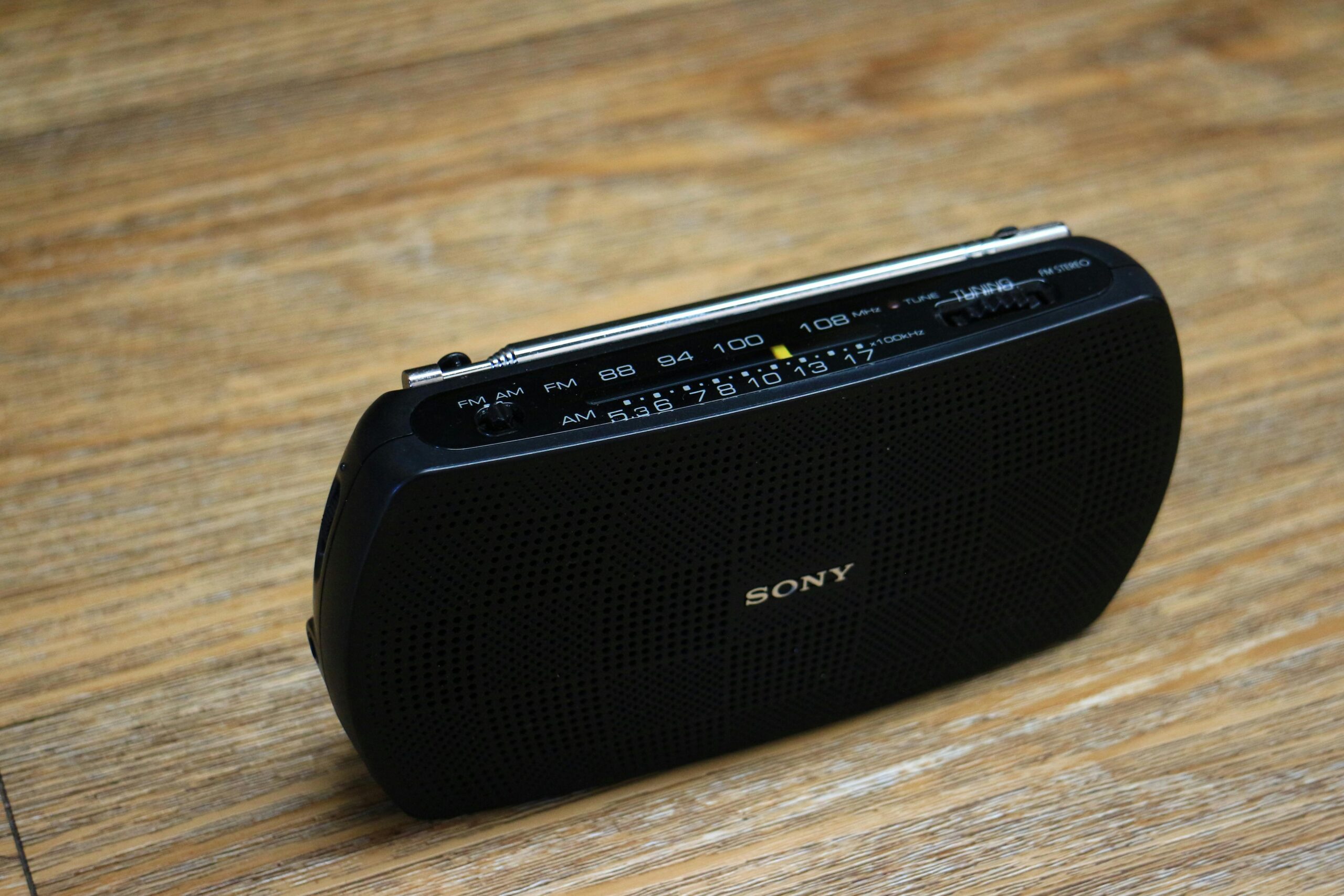
FM (Frequency Modulation) and AM (Amplitude Modulation) represent two different methods of transmitting radio signals. FM radio operates on higher frequencies between 88 and 108 MHz, delivering superior sound quality with less static interference. This makes FM ideal for music stations and high-fidelity broadcasts.
AM radio, functioning on lower frequencies between 530 and 1700 kHz, travels farther distances and penetrates buildings more effectively. News, talk shows, and sports broadcasts commonly use AM frequencies because voice clarity remains adequate despite lower audio quality compared to FM.
Many modern smartphones include built-in FM radio chips that can receive broadcasts directly without consuming mobile data. However, manufacturers often disable this feature through software restrictions, leaving users dependent on internet-based streaming alternatives.
## 🔌 Native FM Radio Capability in Mobile Devices
Numerous Android smartphones contain FM radio receivers integrated into their chipsets. Brands like Motorola, Samsung, LG, and HTC have historically supported this feature, though availability varies by model and region. The FM chip works by using your wired headphones as an antenna, which is why earbuds must be connected for reception.
Apple iPhones do not include FM radio chips in their hardware design. This strategic decision reflects Apple’s focus on internet-based streaming and their ecosystem approach. iPhone users must rely entirely on streaming applications or internet radio services to access radio content.
To determine if your Android device supports native FM radio, check your phone’s specifications or look for a pre-installed radio app. Some manufacturers include custom radio applications, while others require third-party apps that activate the FM chip functionality.
## 📱 Internet-Based Radio Streaming Solutions
Internet radio streaming has revolutionized how users access FM and AM broadcasts on smartphones. These applications connect to radio stations’ online streams, delivering content through your data connection or Wi-Fi network. This method works universally across all smartphone platforms regardless of built-in hardware.
Streaming offers significant advantages including access to thousands of international stations, superior audio quality, and additional features like station favorites, sleep timers, and recording capabilities. Popular apps aggregate stations from around the world, creating comprehensive radio directories at your fingertips.
The primary consideration with streaming is data consumption. An hour of radio streaming typically uses between 40-60 MB of mobile data, which can accumulate quickly for frequent listeners. Wi-Fi connectivity eliminates this concern, making streaming ideal for home or office environments.
## 🌟 Top Radio Apps for Android and iOS
Selecting the right radio application enhances your listening experience significantly. Leading apps combine extensive station libraries with user-friendly interfaces and robust feature sets that cater to diverse preferences.
TuneIn Radio stands among the most comprehensive options, offering over 100,000 radio stations worldwide alongside podcasts and audiobooks. The app provides excellent search functionality, allowing users to browse by location, genre, or language. Premium subscription removes advertising and adds live sports coverage.
iHeartRadio focuses heavily on American radio stations while incorporating custom stations based on your musical preferences. The platform seamlessly integrates live radio with on-demand content, creating a hybrid listening experience that bridges traditional broadcasting and modern streaming.
Radio.com delivers access to major broadcast networks and local stations across the United States. The app excels in providing news, sports, and talk radio content with minimal buffering and reliable stream quality.
Simple Radio offers an intuitive interface with thousands of stations organized by country and genre. The app works beautifully for users seeking straightforward access without complicated features or excessive advertising interruptions.
## ⚡ Activating Your Phone’s Built-In FM Radio
For Android devices equipped with FM radio chips, activation typically requires a compatible application. NextRadio emerged as the leading solution before its discontinuation in 2019, but several alternatives continue supporting this functionality.
Start by connecting wired headphones to your device, as these serve as the necessary antenna for signal reception. Launch your chosen FM radio app and grant required permissions for location and media access. The app will scan available frequencies and display receivable stations in your area.
Signal strength depends on your geographical location, surrounding structures, and weather conditions. Moving near windows or outdoors generally improves reception quality. Some apps include manual tuning options for accessing weaker stations that automatic scanning might miss.
Battery consumption with native FM radio remains minimal compared to streaming, making this option excellent for extended listening sessions when conserving power. The lack of data usage also benefits users with limited mobile plans or in areas with poor cellular coverage.
## 🌐 Global Radio Access and Regional Broadcasting
Smartphone radio applications eliminate geographical boundaries, granting access to stations broadcasting from virtually anywhere on Earth. This global reach enables expatriates to maintain connections with home countries, language learners to practice through native broadcasts, and music enthusiasts to discover international genres.
Regional broadcasting maintains its importance for local news, weather updates, emergency information, and community programming. Local stations provide irreplaceable value during natural disasters when internet connectivity may fail but traditional radio broadcasts continue functioning.
Many international stations stream online specifically to reach global audiences. BBC World Service, Radio France Internationale, and Voice of America exemplify major broadcasters maintaining strong digital presences alongside traditional transmission methods.
## 🎵 Sound Quality Considerations and Audio Settings
Audio quality varies considerably between native FM reception and internet streaming. Native FM radio delivers quality comparable to traditional radio receivers, with occasional static or interference depending on signal strength. Audio fidelity depends primarily on station transmission quality and reception conditions.
Internet streaming typically offers superior and more consistent sound quality, with many stations broadcasting at higher bitrates than over-the-air transmissions. Premium streaming options may include HD audio formats that significantly enhance listening experiences, particularly for music programming.
Most radio applications include equalizer settings and audio enhancement features. Adjusting these parameters optimizes sound for different genres, compensates for headphone characteristics, and personalizes the listening experience according to individual preferences.
Bluetooth connectivity introduces slight audio latency but provides wireless convenience. Modern Bluetooth codecs like aptX and AAC minimize quality loss, delivering near-wired performance for casual listening situations.
## 💡 Data Management and Offline Listening Options
Managing data consumption becomes crucial for users with limited mobile plans. Radio streaming apps typically consume between 40-80 MB per hour depending on stream quality settings. Monitoring usage through your phone’s data tracking features helps avoid unexpected overage charges.
Most applications include quality adjustment settings that reduce bitrate and corresponding data usage. Lower quality settings remain perfectly acceptable for talk radio and news programming where audio fidelity matters less than content clarity.
Some advanced applications offer recording features that capture broadcasts for offline playback. This functionality allows you to save favorite programs during Wi-Fi connectivity and listen later without consuming mobile data. Always respect copyright regulations and terms of service when recording content.
Native FM radio provides the ultimate data-free solution, though limited to local stations within broadcast range. Combining both methods—native FM for local content and streaming for specific programs or international stations—creates an optimal balance between functionality and resource consumption.
## 🔧 Troubleshooting Common Radio Reception Issues
Poor streaming quality often results from insufficient internet bandwidth. Testing your connection speed helps identify whether mobile data or Wi-Fi performance causes interruptions. Switching between networks or reducing stream quality settings usually resolves buffering problems.
Native FM radio reception issues typically stem from inadequate antenna length or signal interference. Using longer headphone cables improves reception by extending antenna reach. Moving away from electronic devices, metal structures, and thick walls enhances signal clarity.
App crashes or playback failures may indicate software conflicts or outdated versions. Clearing app cache, updating to the latest version, or reinstalling the application resolves most stability problems. Checking user reviews helps identify whether issues affect multiple users or specific device configurations.
Audio dropouts during streaming suggest network congestion or coverage gaps. Downloading stations’ dedicated apps sometimes provides more stable connections than aggregator services. Enabling Wi-Fi calling and data features can improve overall connectivity performance.
## 🚀 Advanced Features and Enhanced Radio Experiences
Modern radio applications incorporate sophisticated features that extend far beyond simple broadcast reception. Sleep timers automatically stop playback after preset durations, perfect for nighttime listening without draining battery overnight.
Station favoriting and preset organization allow quick access to preferred broadcasts. Many apps sync favorites across devices through cloud accounts, maintaining consistency between phones, tablets, and computers.
Alarm clock integration enables waking to favorite radio stations instead of harsh buzzer sounds. This gentle awakening method starts days pleasantly while keeping you informed with morning news and weather reports.
Car mode interfaces simplify operation during driving with larger buttons and simplified layouts. Voice control integration through Google Assistant or Siri enables hands-free station changes and volume adjustments, enhancing safety and convenience.
Social sharing features let users broadcast current listening choices to social networks, discovering what friends enjoy and receiving recommendations based on shared musical tastes. Integrated messaging about favorite stations strengthens community connections around audio content.
## 📊 Comparing Native FM vs. Streaming Radio
| Feature | Native FM Radio | Internet Streaming |
|---|---|---|
| Data Usage | None | 40-80 MB/hour |
| Battery Consumption | Very Low | Moderate to High |
| Sound Quality | Good (signal-dependent) | Excellent (consistent) |
| Station Selection | Local only | Global access |
| Device Compatibility | Select Android models | All smartphones |
| Emergency Reliability | High | Network-dependent |
## 🎯 Maximizing Your Mobile Radio Experience
Creating optimal listening environments enhances enjoyment regardless of reception method. Quality headphones or earbuds dramatically improve audio clarity and bass response compared to basic included accessories. Wireless options provide convenience while wired connections serve dual purposes as FM antennas.
Exploring diverse station genres expands musical horizons and knowledge. International news broadcasts offer alternative perspectives on global events. Specialty programming introduces niche interests from vintage radio dramas to independent music scenes thriving outside mainstream channels.
Scheduling listening habits around favorite programs creates rewarding routines. Morning news shows provide daily briefings, afternoon music programming energizes workdays, and evening talk shows entertain during commutes. Building these patterns integrates radio naturally into lifestyle rhythms.
Engaging with stations through social media, phone-in segments, and contests strengthens community connections. Many broadcasters actively interact with listeners online, creating participatory experiences that transcend passive consumption. This interaction distinguishes radio from on-demand services lacking live engagement.
## 🌈 The Future of Radio on Mobile Devices
Radio broadcasting continues evolving alongside technological advancement. HD Radio technology delivers crystal-clear digital audio through traditional FM frequencies, though smartphone support remains limited. As adoption increases, mobile integration will likely follow, bringing superior quality to handheld devices.
5G networks promise improved streaming reliability with reduced latency and increased bandwidth. These enhancements will minimize buffering while supporting higher quality streams, narrowing performance gaps between native reception and internet delivery.
Artificial intelligence integration will personalize radio experiences through smart recommendations, automated playlist generation based on listening patterns, and contextual station suggestions matching activities, times, and locations. These intelligent systems will help users discover content matching evolving preferences.
Podcast and radio convergence continues accelerating as broadcasters produce on-demand versions of live programming. This hybrid model offers flexibility while maintaining radio’s immediacy and communal listening experiences that create shared cultural moments.
## 🎧 Making the Right Choice for Your Listening Needs
Selecting between native FM radio and streaming depends on individual circumstances, preferences, and device capabilities. Users with compatible Android devices and strong preference for local programming benefit most from native FM functionality, especially when data conservation matters.
Streaming serves as the universal solution, working across all devices with unmatched station variety and consistent quality. Despite data requirements, the flexibility and features justify streaming for most modern smartphone users with adequate data plans.
Combining both approaches when possible provides maximum flexibility. Use native FM for routine local listening and data-free operation, while streaming delivers specific programs, international content, and higher quality when connectivity permits.
Ultimately, mobile radio access—regardless of delivery method—connects us with information, entertainment, and communities in uniquely immediate ways. Whether tuning local FM frequencies or streaming stations from distant continents, your smartphone transforms into a powerful radio capable of delivering the world’s broadcasts directly to your ears.
Embrace the technology that best suits your lifestyle, explore the incredible variety of content available, and enjoy the timeless appeal of radio reimagined for the mobile age. The airwaves have never been more accessible or diverse than they are today, waiting in your pocket for that next perfect listening moment. 📻✨