Anúncios
The accordion is a captivating instrument that brings joy, culture, and musical versatility to anyone willing to learn its secrets.


Whether you’ve been mesmerized by traditional folk music, captivated by French café melodies, or inspired by contemporary accordion players, learning this remarkable instrument opens doors to countless musical possibilities. The accordion’s rich, dynamic sound has influenced genres from classical to jazz, polka to tango, and everything in between.
This comprehensive guide will walk you through everything you need to know about starting your accordion journey. From understanding the instrument’s anatomy to mastering your first songs, you’ll discover practical tips, techniques, and resources that will accelerate your learning curve and deepen your appreciation for this magnificent instrument.
## 🎵 Understanding the Accordion: Types and ComponentsBefore diving into playing techniques, it’s essential to understand what makes the accordion unique. This free-reed instrument produces sound by forcing air through metal reeds using a bellows, creating its distinctive warm and expressive tone.
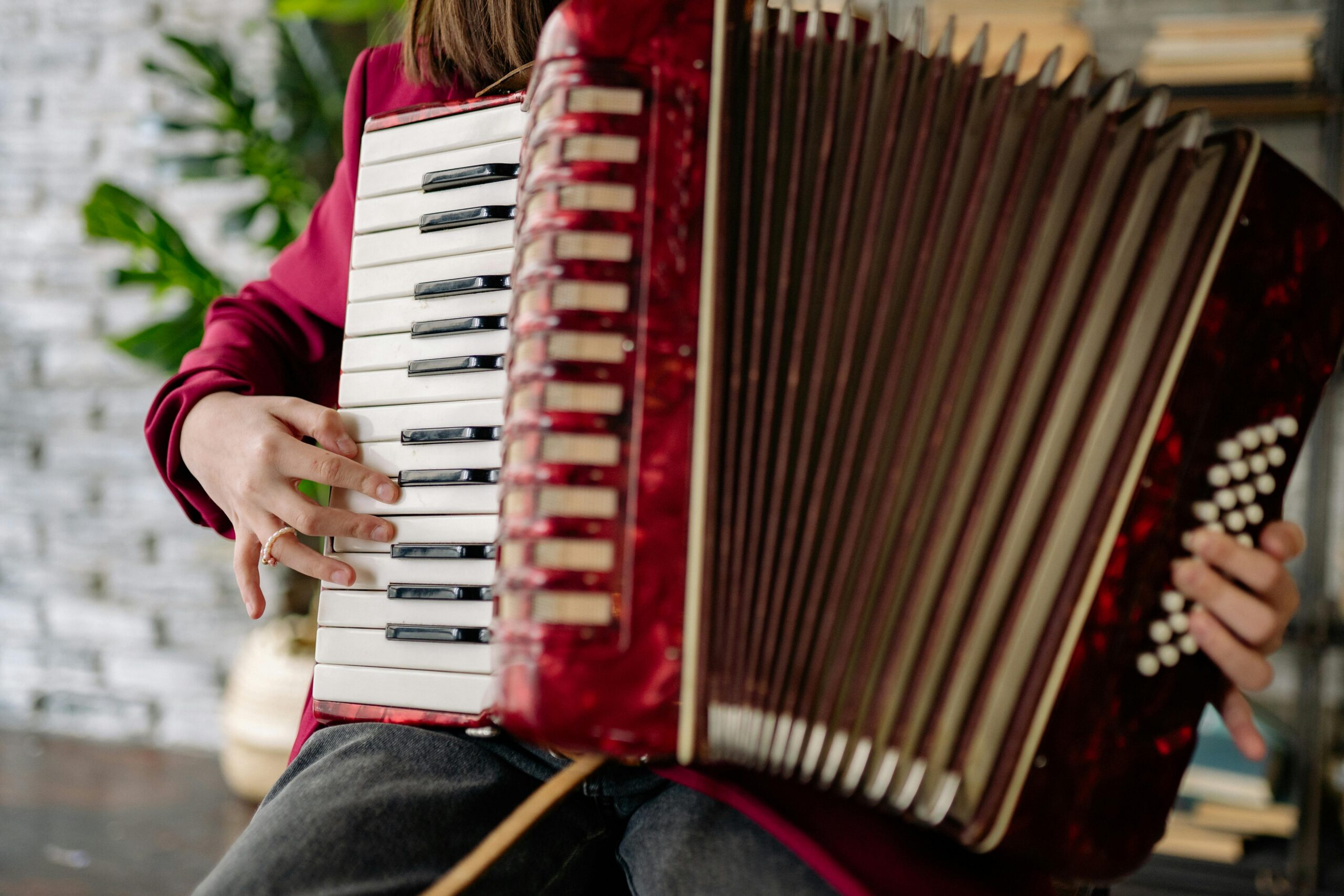
There are several types of accordions, each with distinct characteristics. The piano accordion features a keyboard similar to a piano on the right side, making it more intuitive for those with piano experience. The button accordion (chromatic or diatonic) uses buttons instead of keys and is popular in folk traditions worldwide.
The left hand operates the bass buttons, which provide accompaniment through bass notes and pre-set chords. Meanwhile, the right hand plays the melody on either keys or buttons. The bellows, controlled by both arms, determines volume and expression, making it the accordion’s “breathing” mechanism.
## 🎯 Choosing Your First Accordion: What Beginners Should KnowSelecting the right accordion is crucial for your learning success. As a beginner, you don’t need the most expensive professional model, but you do need an instrument that’s properly maintained and suited to your musical goals.
Consider starting with a lighter accordion, especially if you’re a younger player or have limited upper body strength. A 48-bass or 72-bass accordion provides enough range for learning without the weight of larger 120-bass models.
Piano accordions are generally recommended for beginners familiar with keyboard layouts. However, if you’re drawn to specific folk traditions like Irish, Mexican, or Cajun music, a diatonic button accordion might be more appropriate despite its steeper learning curve.
Quality matters more than size. A well-maintained used accordion from a reputable brand like Hohner, Weltmeister, or Roland (for digital models) will serve you better than a cheap new instrument with tuning issues or sticky keys.
## 🪑 Proper Posture and Holding TechniquesCorrect posture prevents fatigue and injury while allowing maximum control over your instrument. Sit upright on a chair without arms, feet flat on the floor, with the accordion resting on your left thigh.
The shoulder straps should be adjusted so the accordion sits comfortably against your chest, not sagging toward your lap. The weight should be distributed between your shoulders and left thigh, not pulling entirely on your back.
Your right arm should move freely across the keyboard or buttons without excessive reaching. The left hand controls the bass buttons while also supporting the instrument’s weight during bellows expansion.
The bellows should open horizontally, not drooping downward. This horizontal movement gives you better control over air flow and produces a more consistent tone across all registers.
## 🎼 Understanding Bellows Control: The Heart of ExpressionThe bellows is what makes the accordion truly unique among instruments. Unlike wind instruments where you control airflow with your breath, the accordion requires coordinated arm movements to push and pull air through the reeds.
Start by practicing opening and closing the bellows without pressing any keys. Focus on smooth, even movements that maintain a steady air pressure. Jerky or uneven bellows motion creates inconsistent volume and tone.
Bellows direction changes should be planned strategically. You’ll learn to change direction at natural phrase breaks in the music, similar to where a singer would take a breath. This makes your playing sound more musical and less mechanical.
Dynamic control comes from bellows speed and pressure. Faster movements create louder sounds, while slower, gentler movements produce softer tones. Mastering this technique transforms your playing from basic note reproduction to genuine musical expression.

The right hand carries the melody, making it the focal point of your practice in the early stages. If you’re playing a piano accordion, your previous piano experience will transfer directly, though you’ll need to adjust to the vertical orientation.
Begin with simple five-finger exercises in C major position. Place your thumb on middle C and let your fingers rest naturally on D, E, F, and G. Practice playing scales slowly, coordinating each note with steady bellows movement.
Finger positioning is crucial. Keep your fingers curved, striking keys with the pads of your fingertips rather than flat fingers. This gives you better control and faster response time as you progress to more complex passages.
Register switches on the right side change the accordion’s tonal color by activating different reed combinations. Start by learning your instrument’s basic registers: clarinet (single reed), violin (two reeds), and master (all reeds).
## 🎹 Left Hand Mastery: Bass and Chord PatternsThe left hand bass system intimidates many beginners, but it follows a logical layout that becomes intuitive with practice. The buttons are arranged in rows, with bass notes on the inner rows and chord buttons on the outer rows.
The standard Stradella bass system arranges notes in a circle of fifths pattern. Once you understand this layout, finding any bass note or chord becomes predictable. The center reference button (usually marked with a dimple or different texture) is your navigation anchor.
Start by learning bass-chord patterns in common keys like C, F, and G major. A simple waltz pattern (bass-chord-chord) or polka pattern (bass-chord-bass-chord) will get you playing accompaniment quickly.
Coordinate your left and right hands by starting with very simple melodies where the left hand changes only once or twice per measure. Gradually increase complexity as your hand independence develops.
## 📚 Learning Your First Songs: A Progressive ApproachChoose simple, familiar melodies that you already know by ear. This allows you to focus on technique rather than learning the tune simultaneously. Children’s songs, folk melodies, and traditional tunes work perfectly for this purpose.
Start with songs that use only a few notes and simple rhythms. “Mary Had a Little Lamb,” “Hot Cross Buns,” and “Ode to Joy” are excellent first pieces that sound musical despite their simplicity.
Practice each hand separately until you can play the part confidently, then combine them slowly. Use a metronome to develop steady timing, starting at a comfortable tempo and gradually increasing speed only when you can play accurately.
Learn songs in stages: melody only, then add bass notes, then add chords, and finally add bellows dynamics and expression. This layered approach prevents overwhelm and builds solid technique.
## 🎶 Reading Accordion Music: Notation BasicsAccordion music is written on a grand staff, similar to piano music, with treble clef for the right hand and bass clef for the left hand. However, accordion notation includes additional symbols specific to the instrument.
Bellows direction is often indicated by push (>) and pull (<) symbols, though experienced players make these decisions based on musical phrasing. Register changes are marked with abbreviations or numbers corresponding to your instrument's switches.
Bass notation can appear as actual notes or as chord symbols (C, F7, Gm, etc.). Many accordion arrangements use chord symbols because they’re more intuitive than reading five or six bass clef notes simultaneously.
Invest time in learning to read music properly from the beginning. While playing by ear is valuable, reading notation expands your repertoire exponentially and accelerates your learning of new pieces.
## ⏰ Creating an Effective Practice RoutineConsistent daily practice beats occasional marathon sessions. Even 20-30 minutes of focused practice each day produces better results than sporadic three-hour sessions once a week.
Structure your practice time effectively. Begin with 5-10 minutes of warm-up exercises: scales, bellows control drills, and finger independence exercises. This prepares your muscles and mind for more demanding work.
Dedicate the middle portion of your practice to learning new material or working on challenging passages. Break difficult sections into small fragments, practicing slowly and accurately before attempting full speed.
End each session by playing through pieces you know well. This builds confidence, reinforces learning, and leaves you feeling accomplished rather than frustrated by difficult new material.
## 🌟 Common Beginner Mistakes and How to Avoid ThemMany beginners rush through pieces, prioritizing speed over accuracy. This ingrains mistakes and creates sloppy technique that’s hard to correct later. Always practice slowly and accurately first; speed develops naturally with repetition.
Neglecting bellows control is another common error. Some beginners treat the bellows as merely an on/off switch rather than an expressive tool. Practice bellows exercises daily, treating them as seriously as note accuracy.
Poor posture leads to fatigue and potential injury. If you find yourself slouching or feeling pain in your shoulders, back, or wrists, stop and reassess your positioning before continuing.
Skipping left-hand practice because it’s challenging creates an imbalanced skill set. Your accompaniment matters just as much as your melody, so dedicate equal attention to both hands during practice.
## 🎧 Using Technology to Accelerate Your LearningModern technology offers incredible resources for accordion learners. Video tutorials on YouTube provide visual demonstrations of techniques, songs, and concepts that written instructions can’t fully convey.
Mobile apps can supplement your practice with virtual accordions, allowing you to experiment with fingerings and patterns when your instrument isn’t accessible. These tools help reinforce muscle memory and theoretical understanding.
Recording your practice sessions on your phone provides valuable feedback. You’ll hear mistakes and areas for improvement that you don’t notice while concentrating on playing.
Online communities and forums connect you with other learners and experienced players worldwide. These communities offer encouragement, answer questions, and share resources that accelerate your progress.
## 🎭 Exploring Different Accordion Styles and GenresThe accordion’s versatility spans countless musical traditions. French musette creates the romantic café atmosphere with its characteristic tremolo sound. Italian folk styles emphasize rhythmic vitality and melodic expressiveness.
Eastern European traditions showcase the accordion in polkas, waltzes, and wedding music. The instrument plays a central role in klezmer, tango argentino, and Balkan folk music, each with distinctive techniques and ornamentations.
Contemporary accordion has expanded into jazz, rock, and classical repertoire. Modern composers write challenging pieces specifically for accordion, while bands across genres incorporate accordion for its unique tonal color.
Exploring different styles keeps your practice interesting and develops versatility. Don’t limit yourself to one genre—experimentation makes you a more complete musician and prevents practice from becoming monotonous.
## 👥 Finding Teachers, Communities, and Performance OpportunitiesWhile self-teaching is possible, working with a qualified instructor accelerates your progress significantly. A good teacher identifies and corrects bad habits before they become ingrained, provides structured curriculum, and offers personalized feedback.
Look for accordion clubs or societies in your area. These organizations host workshops, festivals, and regular meetings where players of all levels share knowledge and perform for each other in a supportive environment.
Start performing for friends and family as soon as you can play a simple piece from beginning to end. Performance experience, even informal, builds confidence and reveals areas needing improvement that don’t surface during solo practice.
Online accordion communities provide support when local resources are limited. Facebook groups, Reddit communities, and specialized forums connect you with players worldwide who share advice, encouragement, and resources.
## 🔧 Maintaining Your Accordion: Essential Care TipsProper maintenance ensures your accordion sounds great and lasts for decades. Store your instrument in its case when not playing, away from extreme temperatures and humidity that can damage reeds and affect tuning.
Clean the exterior regularly with a soft, dry cloth. Avoid harsh chemicals or excessive moisture that could damage the finish or seep into internal components. The keyboard and buttons can be cleaned gently with slightly damp cloth.
Have your accordion serviced professionally every few years, or sooner if you notice tuning issues, sticky keys, or air leaks. Regular maintenance prevents small problems from becoming expensive repairs.
Handle the bellows carefully, as they’re the most vulnerable part of your accordion. Avoid setting the instrument down with bellows extended, and never force the bellows if they seem stuck.
## 🚀 Setting Goals and Tracking Your ProgressEstablish specific, measurable goals for your accordion journey. Rather than vague aspirations like “get better,” set concrete objectives: “Learn three new songs this month” or “Master the F major scale at 80 BPM.”
Keep a practice journal documenting what you work on each session, challenges encountered, and progress made. Reviewing this journal monthly reveals patterns and shows how far you’ve advanced, which motivates continued effort.
Record yourself playing the same piece every few weeks. These recordings provide objective evidence of improvement that you won’t perceive in daily practice, where progress feels gradual and almost invisible.
Celebrate milestones, both large and small. Mastering your first scale, completing your first song, or playing for your first audience all deserve recognition. These celebrations maintain motivation through the challenging early stages.
## 🎪 Moving Beyond Basics: Intermediate Techniques to ExploreOnce you’ve mastered fundamental techniques, explore bellows shakes (rapid direction changes creating a tremolo effect), used extensively in musette and tango styles. This advanced technique adds dramatic expression to climactic moments.
Free bass systems (available on some accordions) allow you to play individual bass notes instead of pre-set chords, essential for classical repertoire and jazz improvisation. This system requires learning a completely different left-hand layout.
Study ornamentation techniques specific to your preferred style: grace notes in Celtic music, trills in classical pieces, or the characteristic decorations of Eastern European folk traditions. These embellishments transform simple melodies into authentic, stylistic performances.
Develop improvisation skills by learning scales, arpeggios, and common chord progressions in all keys. The ability to improvise opens possibilities for jazz, spontaneous variation on folk tunes, and playing by ear.
## 💡 Staying Motivated Through Learning PlateausEvery musician experiences plateaus where progress seems to stall. These periods are normal and often precede breakthroughs. Continue consistent practice even when improvement isn’t immediately apparent.
Combat boredom by varying your repertoire regularly. If you’ve been focusing on traditional music, try learning a pop song. If you’ve been practicing classical pieces, explore folk or jazz styles.
Revisit pieces you learned months ago. You’ll likely play them much better now, demonstrating progress you didn’t realize you’d made. This retrospective view provides motivation to push through current challenges.
Connect with other musicians, either online or locally. Sharing struggles and successes with fellow learners reminds you that challenges are universal, not personal failures, and that persistence yields results.
## 🌈 The Journey Continues: Your Accordion Adventure AwaitsLearning accordion is a lifelong journey filled with discovery, challenge, and immense satisfaction. Every practice session brings you closer to expressing yourself through this remarkable instrument’s rich, versatile voice.
The accordion community welcomes newcomers with warmth and generosity. Players at all levels share a bond formed through their love of this unique instrument and its ability to convey emotion across cultures and generations.
Remember that every accomplished accordionist began exactly where you are now, struggling with bellows control, coordinating hands, and learning their first simple melodies. Persistence and consistent practice transform beginners into confident, expressive players.
Your accordion journey begins with a single note, a single practice session, a single commitment to learning. The path ahead holds countless musical moments, performances, and connections with others through the universal language of music. Pick up your accordion, press that first button or key, and let your musical adventure begin! 🎶