
Anúncios
Unlocking 5G connectivity on your smartphone can dramatically transform your mobile experience, offering lightning-fast speeds and ultra-responsive performance that redefine what’s possible on the go.


The rollout of 5G networks worldwide has created excitement among smartphone users eager to experience next-generation mobile connectivity. However, many people discover that simply having a 5G-capable phone doesn’t automatically guarantee access to these blazing-fast speeds. Understanding how to properly enable and optimize 5G on your device is essential for maximizing your investment in modern technology.
Whether you’ve recently upgraded to a 5G smartphone or you’re experiencing connectivity issues with your current device, this comprehensive guide will walk you through everything you need to know about activating and troubleshooting 5G connectivity. From checking device compatibility to adjusting network settings, we’ll cover the complete process across different operating systems and carriers. 📱
Understanding 5G Technology and Its Benefits
Before diving into the activation process, it’s helpful to understand what makes 5G such a significant advancement over previous mobile network generations. Fifth-generation wireless technology delivers data speeds that can reach up to 10 gigabits per second under optimal conditions—potentially 100 times faster than 4G LTE networks.
Beyond raw speed, 5G offers dramatically reduced latency, meaning your device communicates with network towers almost instantaneously. This responsiveness makes activities like cloud gaming, video conferencing, and augmented reality applications feel seamless and natural. The technology also supports significantly more connected devices simultaneously, which becomes increasingly important as our homes and cities become smarter.
The real-world applications extend far beyond entertainment. Professionals who work remotely can upload large files in seconds, content creators can stream high-definition video directly from their phones, and everyday users enjoy buffer-free streaming and instantaneous app responses. Understanding these benefits helps contextualize why properly enabling 5G matters for your mobile experience.
Checking If Your Device Supports 5G Networks
Not all smartphones can access 5G networks, even if your carrier offers coverage in your area. The first step in enabling 5G is confirming that your specific device model includes the necessary hardware components to receive 5G signals.
For iPhone users, 5G capability began with the iPhone 12 series released in late 2020. All subsequent models, including the iPhone 13, 14, and 15 series, support 5G connectivity. You can verify your iPhone model by going to Settings > General > About and checking the Model Name field.
Android device compatibility varies widely depending on manufacturer and release date. Most flagship and mid-range phones released after 2020 include 5G support, but it’s essential to verify your specific model. Navigate to Settings > About Phone > Model Number and search online for your exact model’s specifications to confirm 5G capability.
Keep in mind that some phones support only certain 5G frequency bands. There are two primary types: sub-6 GHz (offering broader coverage but moderate speed improvements) and mmWave (providing extremely fast speeds but limited range). Your device specifications will indicate which bands it supports, which affects where and how you’ll experience 5G connectivity. 🔍
Verifying 5G Coverage in Your Location
Having a 5G-capable device means nothing without actual network coverage in your area. Carrier 5G deployment remains an ongoing process, with urban centers typically receiving coverage before suburban and rural areas.
Most major carriers provide online coverage maps showing exactly where 5G service is available. Visit your carrier’s website and locate their coverage map tool, then enter your address or zip code to see detailed information about network availability. These maps typically distinguish between different types of 5G coverage, including nationwide 5G and Ultra Wideband or mmWave 5G.
Don’t rely solely on coverage maps, as real-world performance can vary based on building density, terrain, and network congestion. Consider testing your actual connection speeds using dedicated speed test applications once you’ve enabled 5G on your device.

Step-by-Step Guide to Enable 5G on iPhone
Apple has designed the 5G activation process to be straightforward, though the exact steps may vary slightly depending on your iOS version. Here’s the complete process for enabling 5G on your iPhone:
Begin by opening the Settings app from your home screen. Scroll down and tap on “Cellular” or “Mobile Data” depending on your region. If you have a dual-SIM phone, select the line you want to configure for 5G access.
Next, tap “Cellular Data Options” or “Mobile Data Options.” You’ll see a menu item labeled “Voice & Data”—tap this to reveal your network options. Here you’ll find several choices including 5G On, 5G Auto, and LTE. Select “5G On” to force your iPhone to use 5G networks whenever available.
The “5G Auto” option represents Apple’s smart mode that balances speed with battery life. When enabled, your iPhone uses 5G only when it won’t significantly impact battery performance, automatically switching to LTE when 5G speeds don’t provide substantial benefits. This mode works well for most users seeking a balance between performance and battery longevity.
If you select “5G On,” your device will prioritize 5G connections even when they might drain your battery faster. This option suits users who want maximum speeds regardless of battery impact, such as when downloading large files or streaming high-resolution content. ⚡
Configuring Data Mode Settings on iPhone
Within the same Cellular Data Options menu, you’ll find a “Data Mode” setting that affects how your iPhone uses cellular data. This setting works in conjunction with your 5G preferences to optimize your experience.
The “Allow More Data on 5G” option enables higher-quality video streaming, FaceTime calls, and automatic updates when connected to 5G networks. Enabling this setting ensures you’re taking full advantage of 5G speeds but will consume data more quickly if you have a limited data plan.
Standard mode maintains default data usage across all network types, while Low Data Mode reduces data consumption by pausing automatic updates and background tasks. Choose the option that best matches your data plan and usage patterns.
Activating 5G on Android Devices
Android smartphones offer various paths to 5G activation depending on manufacturer customization, but the general process remains similar across most devices. Understanding these steps ensures you can enable 5G regardless of your specific Android phone model.
Start by opening your Settings app, usually found in your app drawer or by swiping down from the top of your screen and tapping the gear icon. Look for “Connections,” “Network & Internet,” or “SIM cards & mobile networks”—the exact wording varies by manufacturer.
Once inside the network settings menu, select “Mobile Networks” or “Preferred Network Type.” Here you’ll find options for different network generations, typically listed as 5G/4G/3G/2G Auto Connect, 5G Only, LTE/4G, or similar variations.
Select the option that includes 5G to enable next-generation connectivity. Most Android devices default to an automatic mode that switches between available networks based on coverage and signal strength. This smart switching ensures you maintain connectivity even when 5G isn’t available in certain locations.
Manufacturer-Specific 5G Settings
Samsung Galaxy devices place network settings under Settings > Connections > Mobile Networks > Network Mode. Samsung often labels their 5G options clearly, with choices like “5G/LTE/3G/2G (auto connect)” or “LTE/3G/2G (auto connect)” for disabling 5G.
Google Pixel phones organize these settings under Settings > Network & Internet > SIMs > Preferred Network Type. Pixel devices typically offer streamlined options that make selecting 5G connectivity intuitive and straightforward.
OnePlus, Xiaomi, and other Android manufacturers follow similar patterns, though menu labels may differ. If you’re having trouble locating 5G settings, use your phone’s settings search function by typing “5G” or “network mode” to quickly find the relevant menu. 🔧
Troubleshooting Common 5G Connectivity Issues
Even after properly enabling 5G, you might encounter situations where your phone doesn’t connect to 5G networks or shows inconsistent performance. Understanding common issues and their solutions helps ensure reliable connectivity.
If your phone displays LTE or 4G instead of 5G in the status bar despite proper settings, first verify you’re in an area with confirmed 5G coverage. Move to different locations within your area to determine if the issue is location-specific. Buildings with thick walls or underground locations often block 5G signals, particularly mmWave frequencies.
Airplane mode cycling can resolve many temporary connectivity glitches. Enable Airplane mode for 30 seconds, then disable it to force your phone to reconnect to available networks. This simple reset often resolves issues caused by the phone becoming stuck on 4G towers.
Outdated carrier settings can prevent proper 5G connectivity even when everything else appears configured correctly. Check for carrier settings updates by going to Settings > General > About on iPhone, where updates will appear automatically if available. Android users should check for system updates under Settings > System > System Update, as carrier settings often bundle with these updates.
When Your 5G Connection Seems Slower Than Expected
Experiencing 5G connectivity that doesn’t feel noticeably faster than 4G is a common frustration. Several factors can explain this phenomenon and help you optimize your connection.
Network congestion significantly impacts 5G performance, especially during peak usage times. Like highway traffic, cellular networks slow down when many users access them simultaneously. Try testing your speeds during off-peak hours to establish a performance baseline.
The type of 5G connection matters enormously. Nationwide 5G (sometimes called low-band 5G) offers speeds only marginally better than 4G LTE, while Ultra Wideband or mmWave 5G delivers the dramatic speed improvements 5G promises. Check your carrier’s coverage map to understand which type of 5G is available in your location.
Background applications and system processes can consume bandwidth, making your connection feel slower than it actually is. Close unnecessary apps, pause automatic cloud backups, and disable background data for apps you’re not actively using to maximize available bandwidth for your current tasks. 📊
Managing Battery Life While Using 5G
One undeniable reality of 5G technology is its impact on battery performance. The additional radio components and increased data transmission speeds require more power, which can noticeably reduce your phone’s battery life throughout the day.
Understanding this trade-off helps you make informed decisions about when to use 5G and when to conserve battery by switching to LTE. For daily activities like messaging, email, and social media browsing, 4G LTE provides perfectly adequate performance while preserving battery life.
Reserve 5G connectivity for situations where you genuinely benefit from enhanced speeds: downloading large files, streaming 4K video, participating in video conferences, or uploading content. Many phones offer smart network switching that automatically makes these decisions, but manual control gives you the flexibility to prioritize what matters most to you at any given moment.
Enabling battery optimization features in your phone’s settings can help mitigate 5G’s power consumption. Both iOS and Android offer adaptive battery modes that learn your usage patterns and restrict background processes for apps you use infrequently, extending overall battery life regardless of network connection. 🔋
Ensuring Your Data Plan Supports 5G Access
A frequently overlooked aspect of 5G activation involves your cellular service plan. Not all data plans automatically include 5G access, even if you have a compatible device and are in a coverage area.
Contact your carrier or check your account settings through their mobile app to verify that your current plan includes 5G connectivity. Some carriers restrict 5G access to premium plan tiers, while others offer it across all unlimited plans but throttle speeds after certain data thresholds.
If your plan doesn’t include 5G, you’ll need to upgrade to access next-generation networks. Compare plan options carefully, as carriers often bundle 5G access with other premium features like mobile hotspot data, streaming service subscriptions, or international roaming benefits. Evaluate whether these additional features justify any price increase versus your current plan.
Prepaid customers should specifically verify 5G availability, as some carriers initially limited 5G access to postpaid subscribers. Most carriers have since expanded 5G to prepaid plans, but restrictions may still apply depending on your specific plan tier and carrier.
Testing Your 5G Connection Speed and Performance
Once you’ve successfully enabled 5G, testing your actual connection performance helps verify everything is working correctly and gives you baseline data for troubleshooting future issues.
Dedicated speed test applications provide the most accurate measurements of your 5G performance. These apps measure download speeds, upload speeds, latency, and connection stability, giving you comprehensive insight into your network performance.
When conducting speed tests, run multiple tests at different times and locations to account for variability in network conditions. A single test provides limited information, but patterns across multiple tests reveal your typical 5G performance and help identify specific situations where connectivity suffers.
Compare your results against your carrier’s advertised 5G speeds, keeping in mind that real-world performance typically falls below theoretical maximums. Nationwide 5G commonly delivers 50-250 Mbps, while mmWave 5G can exceed 1 Gbps under ideal conditions. Understanding these expectations prevents disappointment and helps identify when performance issues require troubleshooting. 📈
Advanced 5G Settings for Power Users
Beyond basic activation, several advanced settings allow you to fine-tune your 5G experience based on your specific needs and usage patterns. These options provide granular control over how your device utilizes 5G networks.
Some Android devices offer a “5G Only” mode that prevents your phone from falling back to 4G LTE under any circumstances. While this ensures you always use 5G when available, it can cause connectivity loss in areas with incomplete 5G coverage. This setting suits users who remain primarily in strong 5G coverage areas and want guaranteed access to next-generation speeds.
Developer options on Android (enabled by tapping Build Number seven times in About Phone) sometimes include additional network testing features. These advanced tools let you manually select specific network bands, view detailed connection information, and troubleshoot complex connectivity issues that basic settings can’t address.
iPhone users with technical knowledge can access Field Test Mode by dialing *3001#12345#* and pressing call. This hidden diagnostic interface displays detailed cellular connection information including exact signal strength, network band, and tower information. While not necessary for basic 5G usage, these details help advanced users optimize their connectivity.
Understanding 5G Network Indicators and Symbols
Your phone’s status bar displays various indicators that represent different types of cellular connectivity. Understanding these symbols helps you know exactly what kind of connection you’re using at any moment.
The “5G” indicator represents standard 5G connectivity, typically using low-band or mid-band frequencies. This provides modest speed improvements over 4G LTE with broader coverage than faster 5G variants.
On iPhones in the United States, “5G+” indicates you’re connected to Verizon’s Ultra Wideband network or AT&T’s mmWave 5G, representing the fastest available 5G connections. On Android devices, carriers use varying indicators like “5G UW” (Ultra Wideband), “5G UC” (Ultra Capacity), or simply “5G+” to denote these premium connections.
The controversial “5GE” symbol on AT&T devices doesn’t actually represent 5G connectivity at all—it indicates advanced 4G LTE technology. This marketing designation caused confusion among consumers and criticism from industry observers, but understanding what it truly represents helps set appropriate performance expectations. 📡
Maximizing Your 5G Experience Going Forward
Successfully enabling 5G is just the beginning of optimizing your mobile connectivity. Staying informed about network improvements in your area and understanding how to leverage 5G capabilities ensures you continue getting the most value from your investment in next-generation technology.
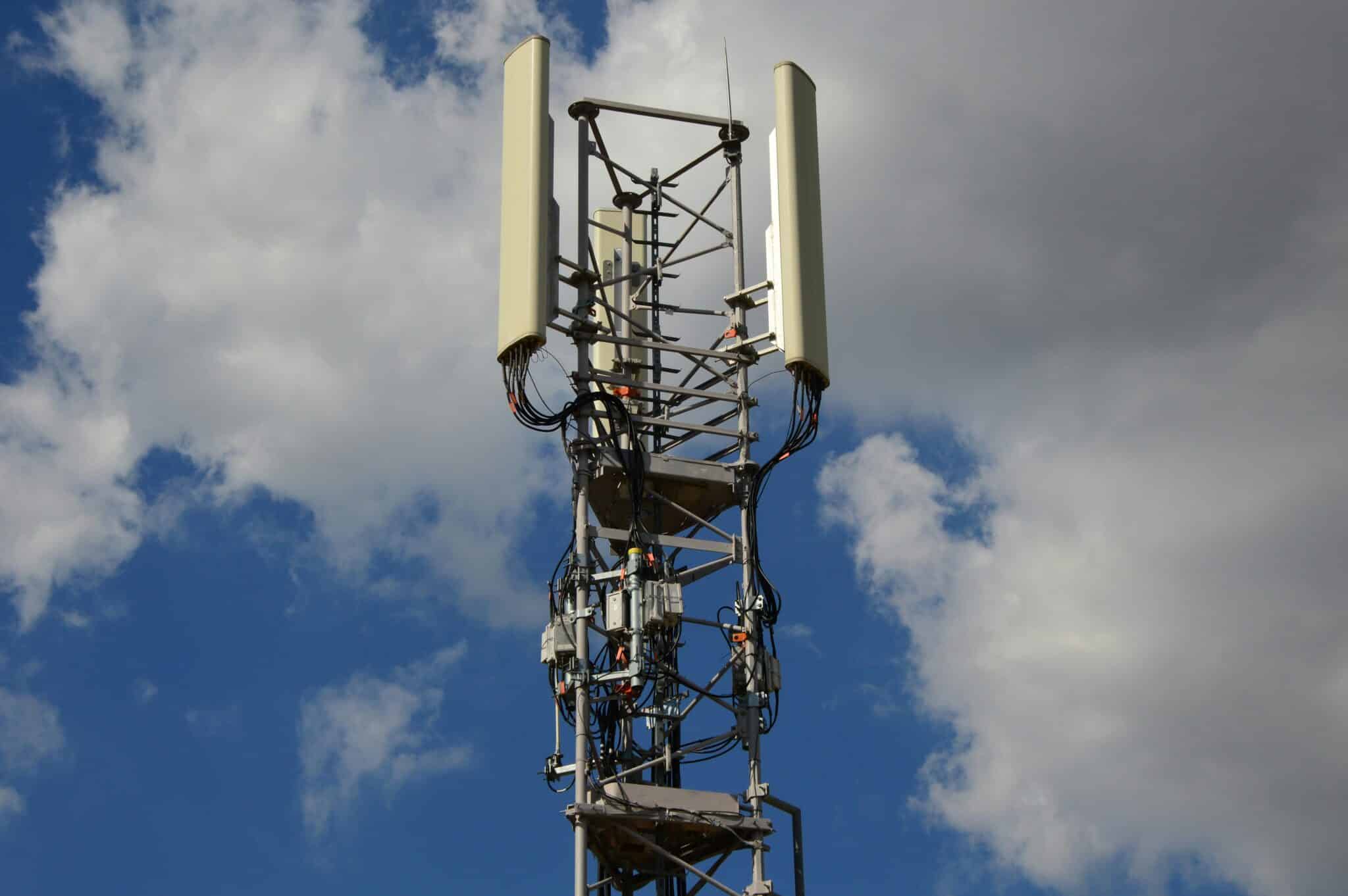
Carriers continuously expand and enhance their 5G networks, adding new towers and upgrading existing infrastructure. Periodically check coverage maps and local news for announcements about 5G expansion in your region. What isn’t available today might become accessible next month as networks mature.
Keep your device’s software updated to ensure you have the latest cellular modem firmware and carrier settings optimizations. Manufacturers and carriers regularly release updates that improve 5G connectivity, battery efficiency, and overall performance. Enabling automatic updates ensures you benefit from these improvements without manual intervention.
Consider how 5G changes your mobile usage possibilities. Activities that once required Wi-Fi—like downloading entire movie collections, participating in high-quality video calls, or uploading large work files—become practical on cellular connections. Rethinking your mobile workflow around these enhanced capabilities helps you fully capitalize on the technology you’ve invested in.
The future of mobile connectivity continues evolving, with carriers already discussing 6G development and enhanced 5G capabilities. By understanding how to properly configure and optimize your current 5G connection, you’re building knowledge that will remain relevant as mobile technology continues advancing. Your ability to adapt to and maximize new technologies positions you to always experience the best possible mobile connectivity, regardless of what innovations emerge next. 🚀
Enabling 5G on your smartphone opens the door to transformative mobile experiences that were impossible just a few years ago. Whether you’re streaming content, working remotely, or simply browsing more efficiently, properly configured 5G connectivity makes everything faster and more responsive. Take the time to verify your settings, test your connection, and optimize your configuration—the performance improvements are worth the effort.
